What is the right tyre pressure for a bike
How to find the right bike tyre pressure: what the tyre sidewall says, when to run different pressures and how to inflate properly.
By the Velunite editorial team
~10 min · Difficulty: easy · Brands: Tutte le marche · Published on 22 November 2026
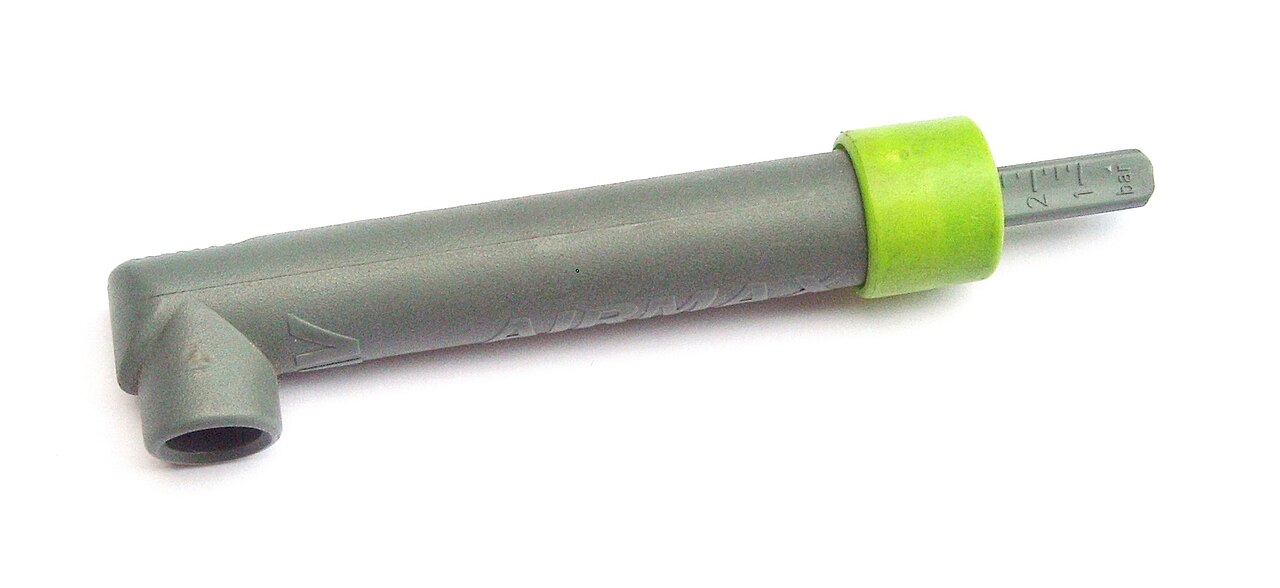

Tyre pressure changes comfort, grip and the risk of punctures. Too much pressure makes the bike harsh and slippery in corners; too little makes the rim hit and increases the risk of pinch flats. The maximum is printed on the sidewall, but it is not always the ideal figure: it depends on weight, road and tyre width.
Tools you need
- Pressure gauge or pump with a gauge
- Floor pump with the right valve head (Schrader or Presta)
- Bathroom scale to weigh yourself with a bag, if needed
Step by step
Read the tyre sidewall
The sidewall shows the pressure range, for example a minimum and a maximum in bar or PSI. That figure is a safety limit, not the ideal pressure for everyone. Never exceed it.
Choose the pressure for your riding
On the road with narrow tyres you run near the maximum. On gravel, mountain bikes or wide tyres you go lower: more air volume means more comfort and more grip. Heavier riders and wet surfaces need adjustments.
Check with a gauge
Inflate with the pump and read the gauge. A floor pump with a gauge is more accurate than guessing by eye or by squeezing the tyre.
Check often
Tyres lose air over time, especially inner tubes. Check the pressure before important rides and after big temperature changes.
Mistakes to avoid
- Inflating to the sidewall maximum without considering weight and surface.
- Guessing by eye: the difference between pressures is larger than it looks.
- Dropping too low on the road with narrow tyres: you risk pinch flats.
- Never checking the pressure: you only find the problem after a puncture.
Frequently asked questions
What is the right pressure for a road bike?
It depends on weight, tyre width and road. Start from the range on the sidewall, try intermediate values and choose the one that gives comfort without bounce.
Do I need a gauge?
Yes, for a reliable reading. A gauge costs little and stops you guessing.
Does pressure change with temperature?
Yes, air expands when it heats up. Inflate at room temperature and expect the reading to rise after long sun exposure.
Track chain wear, pads and tyres for every bike in Velunite: see when chain and pads need checking.
Open My bikes