Running shoes: how to clean, dry and know when to replace them
How to clean running shoes without damaging foam and glue, how to dry them properly and which signs show the shoe no longer cushions.
By the Velunite editorial team
~30 min · Difficulty: easy · Brands: Tutte le marche · Published on 23 November 2026
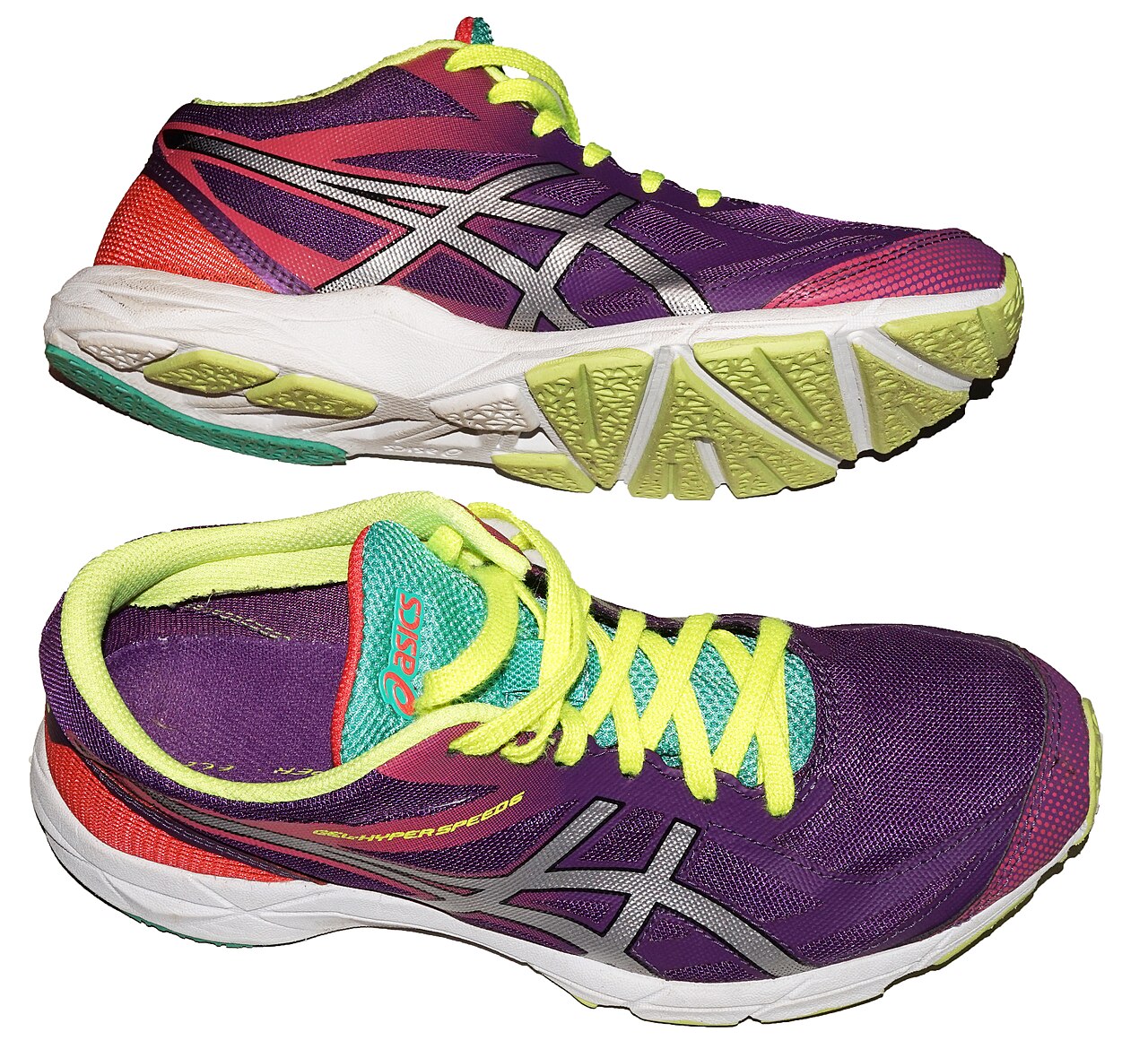

Running shoes get covered in mud, salt and sweat, and we often treat them badly: washing machine, tumble dryer, radiator. The damage does not show at once, but the foam deforms and the glue lets go, and the shoe loses cushioning before it looks old. This guide explains how to clean them, how to dry them without ruining them and how to recognise the moment to replace them. There is no mileage that suits everyone: the runner's weight, the surface, running style and model change the lifespan a lot. That is why we give you the signs to check, and mileage only as a reference.
Tools you need
- Soft brush, like a toothbrush or a shoe brush
- Clean microfibre cloth
- Mild soap or gentle detergent, no bleach
- Kitchen paper or an old towel
- Lukewarm water, not hot
- A running log or the app you use for distance (optional)
Step by step
Remove the bulk before you wet them
Loosen the laces, pull out the insole and brush off dry dirt with a dry brush, tapping the sole against an outside wall. Dry mud must come off before water: if you wet it, it becomes a paste that works into the upper and seams and sticks to the mesh. If the shoes are wet from rain, let them dry a little at room temperature, away from heat, before cleaning. After a muddy run, the first step is the dry brush, not the tap.
Wash by hand with lukewarm water and mild soap
Fill a bowl with lukewarm water and a little mild soap. Dip the soft brush and work the upper with small movements, focusing on the toe box, the edges of the sole and the lace area, where sweat builds up. Use the same brush on the sole with light pressure. Do not scrub hard on the foam and do not use metal brushes, which cut the mesh. Do not leave soap behind: rinse with clean water and a cloth, and remove any white residue, because detergent left on the upper stiffens it.
Never soak them for long
A soak of hours in hot water does not help: the foam absorbs water and loses its structure, and the glue between sole and upper works worse. If the shoe is very dirty, wet it, soap it, let it sit for a few minutes and rinse. For stubborn odours you can use very diluted white vinegar and water, or sprinkle baking soda on the insole, but test first on a hidden spot. If the upper is technical fabric, check the manufacturer's instructions on cleaning products.
Never use a washing machine, tumble dryer or radiator
This is the most common and most costly mistake. The spin cycle folds the foam and breaks the internal support; the tumble dryer's heat softens the glue and warps the shape; a radiator or hairdryer creates heat the foam cannot take, and the shoe stiffens or shrinks. Direct sun on a windowsill for hours also degrades materials and fades the upper. If you are unsure about a specific model, read the label or the manufacturer's website, because some uppers have different treatments.
Dry them slowly and naturally
Fill the inside with kitchen paper or a rolled towel, and change the paper when it gets damp, usually after a few hours. Place them in a ventilated spot at room temperature, toes pointing down so water drains. Do not force drying with direct heat. It often takes a day or two, and that is fine: the shoe is dry when the insole and the inner foam no longer feel cold or damp to the touch. Put the insole back only when it is dry too.
Check the shoes after every run
You do not need a long check, a minute after each run is enough. Look at the sole: if the lugs are smooth at the heel or forefoot, the grip is dropping. Press the heel foam with your thumb: if it stays squashed or folds visibly compared with a new shoe, the cushioning has dropped. Check the seams and the upper in the areas of greatest flex, and if you see loose threads or tears, note them. Laces need checking too: a worn lace breaks halfway through a run.
Use mileage as a reference, not as a rule
Many runners track mileage and retire a pair around 800 kilometres, but that figure varies a lot. A heavier runner who lands hard on tarmac wears shoes out faster than a lighter runner on trails. A softer model loses cushioning sooner than a firmer one. The manufacturer often gives a range in the instructions or on the website: use it as a reference. Log the kilometres of each pair, so you have data to weigh alongside the signs of wear.
Recognise the signs that really matter
The most reliable signal is your body: if new pain appears in knees, hips, ankles or lower legs without a change in training, the shoes are one of the things to check. The feel matters too: if the shoe feels harder, flatter or less stable than when it was new, the structure has given way. Another practical test is to put the pair on a flat surface and look from above and from behind: if the sole wear is uneven or the shoe tilts to one side, stability is compromised. Do not wait until the sole is worn through to the fabric, because by then cushioning is long gone.
Alternate two pairs and rotate them
Runners who train often can use two pairs in turn. Letting the foam rest between runs helps it recover its shape, and makes it easier to tell when a pair is finished, because you compare it with the other. If you use two different models, note which one you use for long runs and which for intervals, and replace each when it shows the signs described. There is no magic order: the rotation just has to let you check both.
Mistakes to avoid
- Putting shoes in the washing machine or tumble dryer: the foam deforms and the glue lets go, and the damage cannot be reversed.
- Drying them next to a radiator or with a hairdryer: heat stiffens the upper and shrinks the materials.
- Leaving dry mud on the upper and then wetting it: it becomes a paste that works into the seams and wears them.
- Using bleach or harsh detergents: they fade the upper and damage fabric treatments.
- Waiting until the shoe is visibly destroyed: cushioning drops first, and the pain arrives without warning.
Frequently asked questions
Can I wash running shoes in the washing machine on a low temperature?
No. Even on a low temperature, the spin cycle folds the foam and breaks the internal support. Wash them by hand with lukewarm water and mild soap, and dry them at room temperature.
How many kilometres does a pair of running shoes last?
It depends on weight, surface, running style and model. Many runners talk about around 800 kilometres as a reference, but the manufacturer often gives a different range. Use mileage together with the signs of wear, not on its own.
How do I know if the shoes no longer cushion?
Check whether the heel foam stays squashed when pressed, whether the shoe feels harder or less stable than a new pair, and whether new pain appears in knees, hips or ankles. If you are unsure, a specialist running shop can assess them by eye.
How do I remove smell from running shoes?
Take out the insole, dry the shoe well and use baking soda on the insole or a very diluted solution of white vinegar and water. Test first on a hidden spot and do not use bleach.
Is it worth having two pairs of running shoes?
For many runners, yes: the foam recovers its shape between runs, and comparing two pairs makes wear easier to spot. It is not essential: what matters is checking the shoes after every run.
Track chain wear, pads and tyres for every bike in Velunite: see when chain and pads need checking.
Open My bikes