5 Cycling Climbs to Try Around Lake Garda
The most scenic and well-known road climbs around Lake Garda: indicative difficulty, views and practical tips for tackling them on a road bike.
Written by the editorial team at Velunite
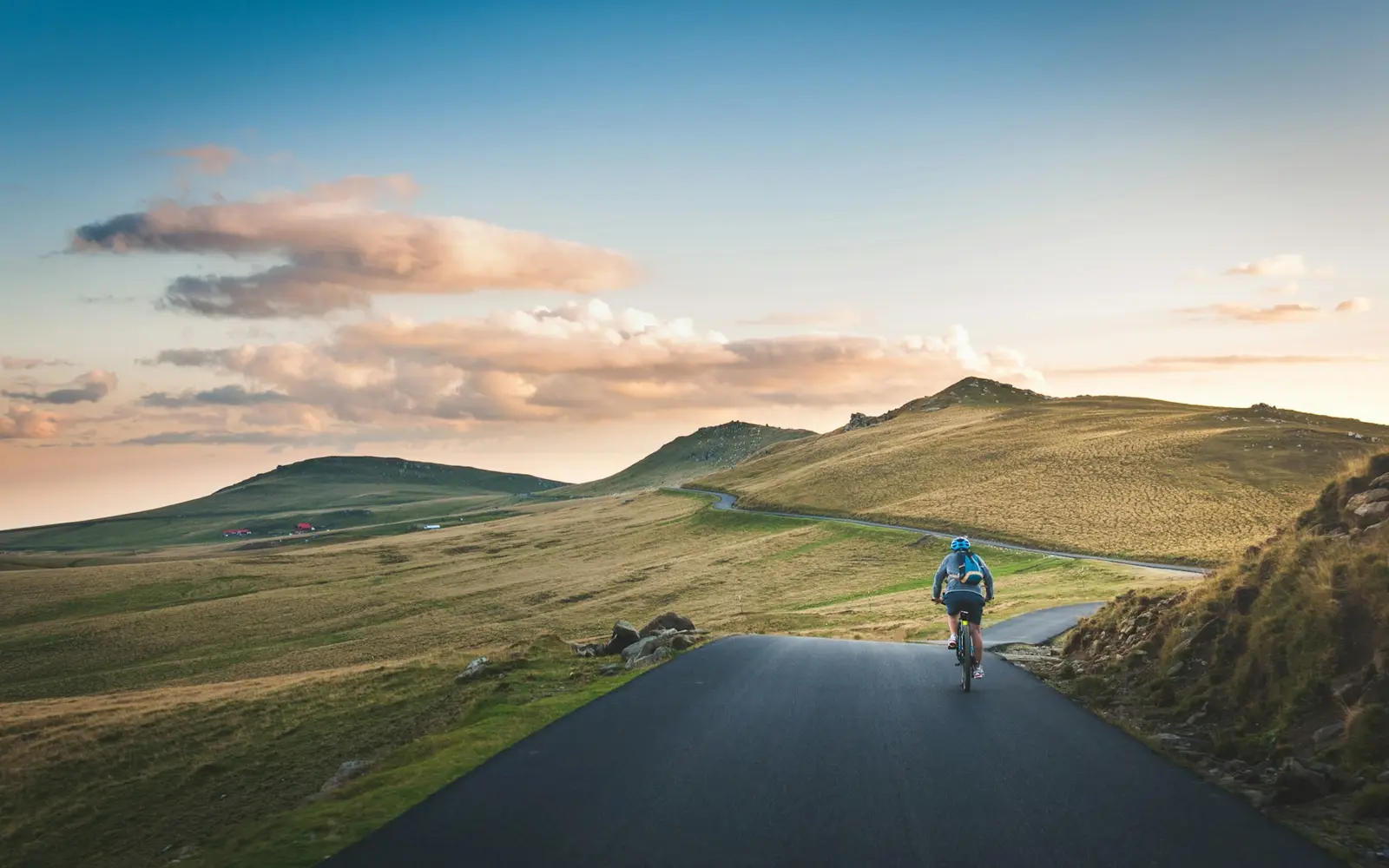
Lake Garda has long been one of the favourite destinations for road cyclists, both Italian and international: mild weather for most of the year, well-kept roads, and climbs that mix scenic hairpins with tougher stretches near the top. Here are five classic climbs to plan for if you're spending a few days in the area.
1. Strada della Forra, above Tremosine
Carved into the rock above the lake, the Strada della Forra is one of Italy's most photographed roads: narrow tunnels, sheer hairpins and a final view over the lake that alone makes the climb worthwhile. It isn't very long but demands attention for the road surface and traffic in the tunnel sections — best avoided during peak tourist hours.
2. Pregasina from Riva del Garda
A short climb but with gradients that are felt, full of tight hairpins offering ever-changing views over the lake below. It's one of the most photographed ascents in the northern Garda area, often combined into longer loops towards Passo Nota or Tremosine.
3. Passo Nota from Tignale
A longer, steadier climb through woods and clearings, with the lake view opening up gradually as you gain altitude. It's a good choice for riders looking for more elevation gain than Pregasina, while keeping manageable gradients for most of the route.
4. Monte Baldo from Malcesine (the San Michele climb)
The climb from Malcesine towards Monte Baldo is one of the toughest in the area, with double-digit gradients in places and significant elevation gain: recommended for riders who already have solid climbing fitness. The view over the lake from the top, on a clear day, is among the finest on all of Garda.
5. San Zeno di Montagna via the hairpins above Garda
Starting from the town of Garda, this climb winds up through regular hairpins among olive groves and woodland, offering a good balance between physical effort and steady gradient: suitable even for riders who aren't chasing the hardest kilometre but still want meaningful elevation gain with constant views.
Practical tips for planning the ride
In peak season the roads along the lake can get busy, especially on weekends: setting off early helps avoid both traffic and the hottest hours in summer. A GPS bike computer with mapping helps you not miss turns through the small town centres, while two bottles are almost always a good idea given the mild temperatures but sustained climbs.
Riders who want to track elevation and time on each climb might consider a GPS bike computer, useful for checking the elevation profile of these ascents in advance and avoiding surprises on the steeper sections.
As an Amazon Associate, Velunite earns from qualifying purchases. Some links in this article are affiliate links: if you buy through them Velunite may earn a small commission at no extra cost to you.