Swimming, Running, Cross-Country Skiing: Why Cross-Training Makes You a Stronger Cyclist
The benefits of cross-training for cyclists: which endurance sports to add, and how to fit them into your season without hurting your bike fitness.
Written by the editorial team at Velunite
Plenty of cyclists assume the only way to get better is to ride more. In reality, adding other endurance sports to your week can speed up your progress, lower your risk of overuse injuries, and keep your motivation high — especially during the months when riding outside isn't always an option.
Swimming: cardio and shoulders, zero impact
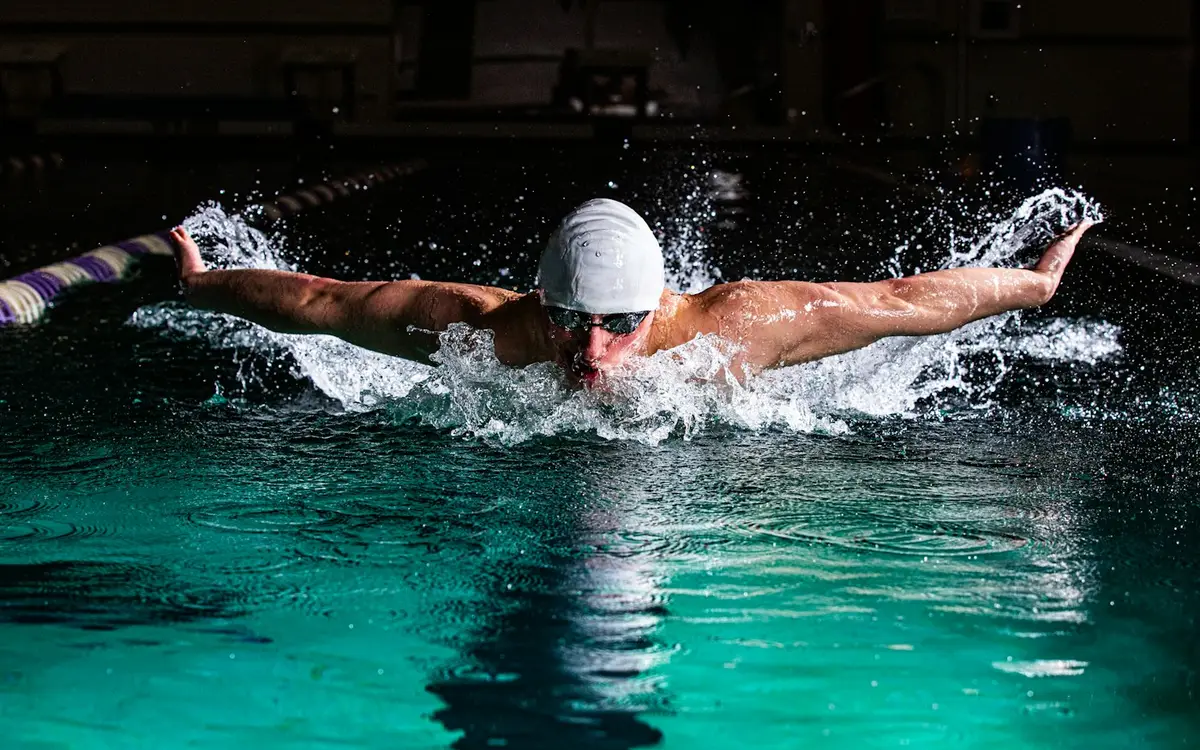
Swimming works your cardiovascular system hard with zero impact on your joints, which makes it ideal when you're recovering from a knee or back niggle, or simply need to unload your body after a few intense weeks in the saddle. It also trains your upper body, something riders who only cycle tend to neglect.
Running: yes, but dose it carefully
Running builds aerobic capacity fast, but it puts far more stress on your joints than cycling does. If you're not used to running, ease into it with short sessions rather than diving in — overuse injuries from running too much, too soon, can end up derailing your bike training too.
Cross-country skiing and other seasonal sports
Where it's available, cross-country skiing is considered by many coaches to be one of the most complete aerobic sports there is, engaging your whole body with very little joint impact. It's an ideal winter alternative for stretches when conditions make riding outside impractical or unsafe.
Fitting it in without hurting your bike fitness
The key is planning: avoid stacking hard sessions from different sports on the same day or on consecutive days, and lean on cross-training mainly in the off-season, during active recovery blocks, or as a stand-in when the weather keeps you off the bike. During peak race season, keep it to light, easy sessions.
The mental benefit matters as much as the physical one
Doing the same sport, on the same routes, with the same workouts, week after week quietly erodes motivation. Mixing in other activities keeps your enthusiasm for training high, lowers the risk of burnout, and makes the whole process more enjoyable — not just the rides themselves.
A more well-rounded athlete, one who trains beyond the bike too, tends to be a more injury-resistant and consistent cyclist over time. Cross-training isn't a distraction from your cycling goals — it's one of the most underrated tools for reaching them.
Recommended products
Swimming starts with comfortable anti-fog swimming goggles, no need for racer models.
On run days, a pair of cushioned running shoes for easy miles protects legs already tired from the bike.
Bodyweight work happens anywhere with a thick non-slip fitness mat, the base of any home cross-training routine.
To stay supple between disciplines, a muscle recovery foam roller is the tool triathletes use most.
Small-space strength work is done with fitness resistance bands with handles, perfect for a cyclist shoulders and core.
As an Amazon Associate, Velunite earns from qualifying purchases. Some links in this article are affiliate links: if you buy through them Velunite may earn a small commission at no extra cost to you.