How to Choose Bikepacking Bags: Saddle, Frame and Handlebar Packs
Saddle bag, frame bag or handlebar bag? A practical guide to choosing bikepacking bags based on your trip length, capacity needs and budget.
Written by the editorial team at Velunite
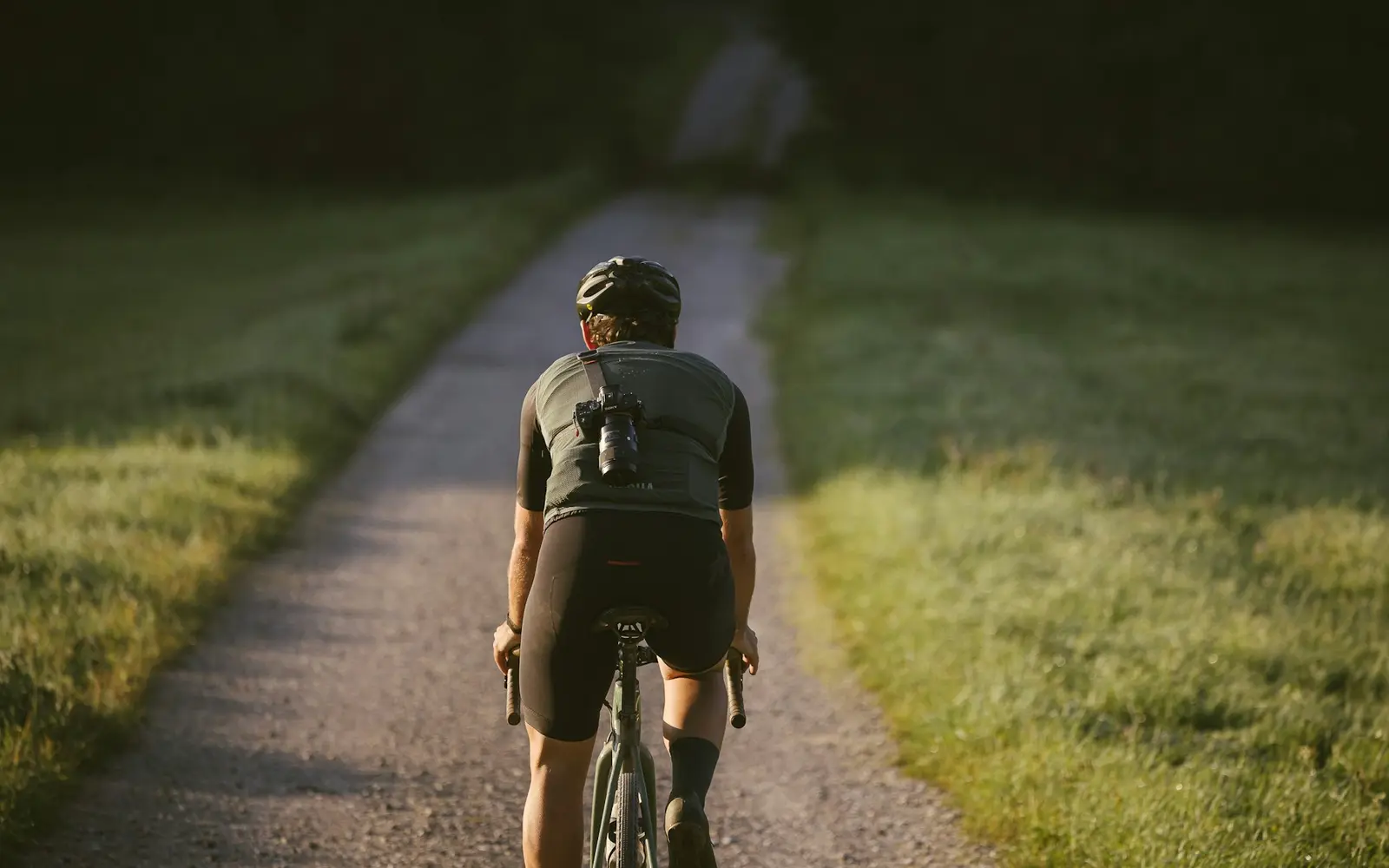
Anyone planning longer rides, maybe a first weekend away with everything carried on the bike, quickly runs into the same question: which bags to buy and what to put in them. The good news is you don't need a full setup from day one, but understanding how bikepacking bags work helps you avoid mistakes on your first purchase.
The three basic bags: saddle, frame, handlebar
The saddle bag attaches under the seatpost and saddle rails: it's the roomiest of the three and works well for a change of clothes, a sleeping bag, or other bulky items. The frame bag uses the space inside the main triangle, where the weight sits lowest and most stable: it's the ideal spot for tools, a spare tube, and food you need during the day. The handlebar bag suits light, bulky items like a sleeping bag or tent, but check it carefully on bikes with narrow bars or brake levers set close together, where it can interfere with steering.
How much capacity do you actually need
For a one-day ride with just a rain jacket, tools and some food, a single frame bag or a small saddle bag (5-10 litres) is often enough. For an overnight weekend you'll typically want 20-30 litres split across saddle, frame and handlebar bags. For multi-day or self-supported trips you'll go beyond 30-40 litres, but the practical rule still applies: it usually pays to start lighter than you think, since extra weight is felt most on climbs and on gravel.
Waterproofing and mounting: what to check before buying
The most common materials are coated nylon or technical fabrics with sealed seams; roll-top closures generally handle rain better than zippers, though they're less convenient for quick access. The mounting system matters just as much: adjustable straps with velcro or quick-release buckles work on most frames, but on gravel or road bikes with a small main triangle it's worth checking the frame bag's dimensions before ordering, so it doesn't rub against your legs while pedalling.
Bikepacking bags vs a classic rack and panniers
A rack with panniers is still the more practical choice for road touring with heavy loads, where stability and capacity matter more than weight. Bikepacking bags, strapped directly to the frame without a rack, suit gravel, dirt and mixed terrain better, since they keep the centre of gravity lower and more central and don't need rack mounts that many modern frames, especially carbon ones, simply don't have.
How much to spend: indicative price ranges
A single entry-level bag (frame or small saddle bag) typically costs around €25-50. In the mid-range, roughly €60-100, you'll find tougher materials and better-finished mounting systems. In the higher range, above €120 per bag, you get lighter, more waterproof technical fabrics and construction built for repeated multi-day use. These ranges are indicative and worth checking at the time of purchase.
Recommended products
Bikepacking saddle bag: the first bag to consider for extra carrying capacity without a rack.
Bike frame bag: useful for tools, a spare tube and food, in the most stable spot on the frame.
Bikepacking handlebar bag: handy for light, bulky items like a sleeping bag or tent.
Complete bikepacking bag set: worth considering if you want to be fully equipped for a first trip.
Waterproof bike dry bags: protect your gear if the weather turns during the trip.
Common mistakes to avoid
The first mistake is overpacking 'just in case': every extra kilo is felt, especially uphill. The second is never testing the mounting before you leave: a bag that sways or rubs against the wheel is much better discovered on a short test ride near home than halfway through a multi-day trip. Finally, avoid relying on non-waterproof bags when the weather is uncertain: a soaked sleeping bag can ruin an entire weekend.
As an Amazon Associate, Velunite earns from qualifying purchases. Some links in this article are affiliate links: if you buy through them Velunite may earn a small commission at no extra cost to you.