Riding around Lake Como: the loop every cyclist should try at least once
A practical guide to cycling the Lake Como loop: distance, elevation gain, highlights along the way, and tips for riding it in one day or over two.
Written by the editorial team at Velunite
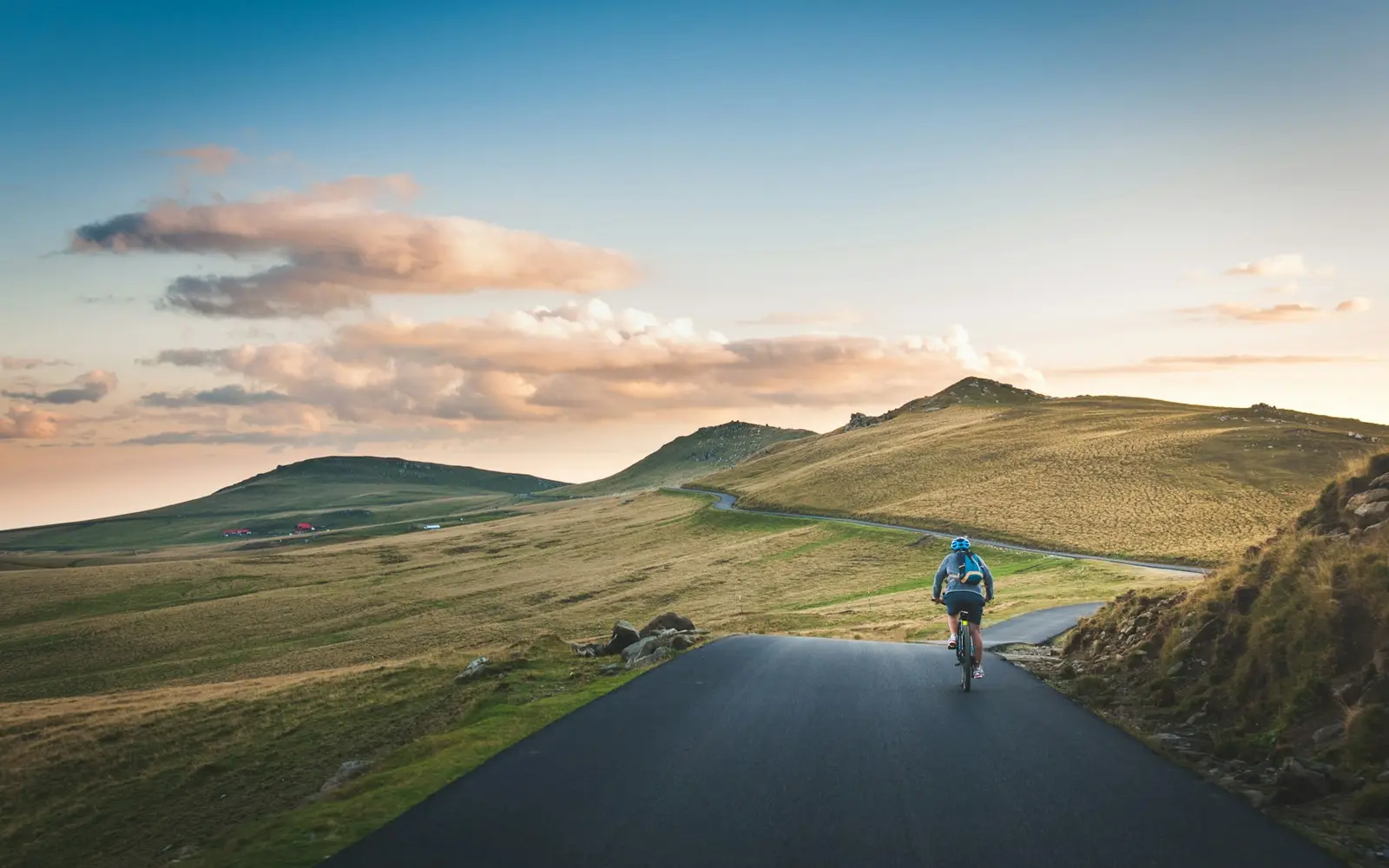
Lake Como is one of the most loved destinations for cyclists who want to combine scenery with real climbs, on a loop that hugs the water through villages, tunnels, and panoramic stretches that suddenly open up onto the lake. It's a demanding route more because of its length and traffic in certain stretches than because of extreme elevation gain, but it needs careful preparation.
How long is it and how much climbing?
The full loop around the lake is roughly 170 km, with total elevation gain around 1500-2000 metres depending on the variant chosen and how many short climbs through the villages along the way you decide to take on. These aren't numbers for a pure climber, but the combination of distance and constant gradient changes makes it a tough ride even for those used to long outings.
Doable in a day, or better over two stages?
A well-trained cyclist with a solid base can complete the loop in a single day, starting early to have enough daylight hours, especially in autumn and winter when days are shorter. Those who prefer a more relaxed, touristy pace, with photo stops and longer breaks in the villages, are better off splitting the loop into two stages, staying overnight halfway around on the shore opposite the starting point.
Sections worth knowing before you go
The western shore, passing through Como, Cernobbio and Menaggio, has stretches of state road with heavy traffic during peak tourist season — better to avoid them on summer weekends or start very early in the morning. The eastern shore, towards Lecco and Bellagio, alternates quieter stretches with narrow tunnels where it's important to use lights even in daytime and wear a high-visibility vest.
When to go
Spring and early autumn are the best times: pleasant temperatures, less tourist traffic than July and August, and light that makes the lake scenery even more striking in photos. In winter the loop is still doable on clear days, but you need to factor in the available daylight hours and the chance of colder, damper stretches close to the water.
What to bring for this ride
Given the distance, it's worth setting off with full bottles and a clear plan for where to refill water and food along the way, since not every stretch passes through villages with open bars or shops. The frequent tunnels make front and rear bike lights useful even for a daytime ride, along with a basic puncture repair kit given how isolated some sections are.
As an Amazon Associate, Velunite earns from qualifying purchases. Some links in this article are affiliate links: if you buy through them Velunite may earn a small commission at no extra cost to you.