Cycling's Legendary Climbs: The History and Trivia Behind the Most Famous Mountains
Alpe d'Huez, the Mortirolo, the Stelvio: the history and trivia behind cycling's most iconic climbs, and what makes them special to ride.
Written by the editorial team at Velunite
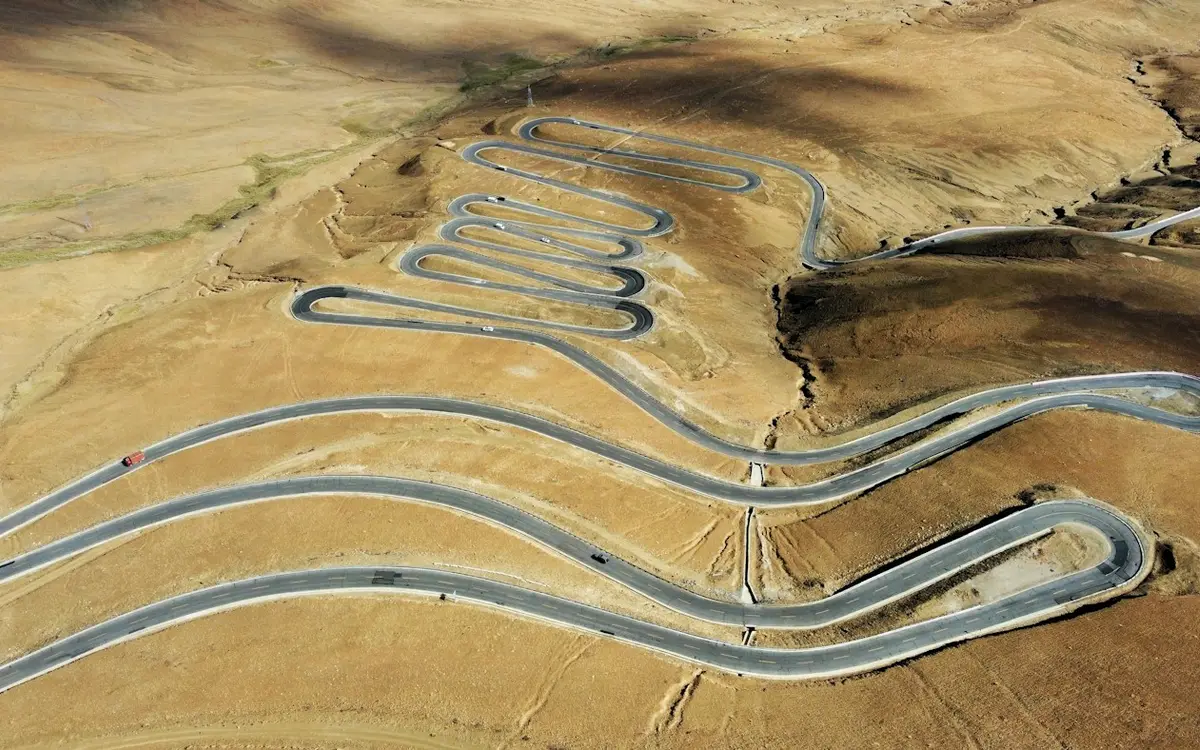
Some climbs, just by name, evoke something more than an elevation profile to grind through: they've become part of cycling culture, places where every switchback has a story attached to it. Knowing those stories makes riding them even more interesting, whether in a race, a gran fondo, or just for the satisfaction of saying you've done it.
Alpe d'Huez and its 21 numbered hairpins
Few people know that the 21 hairpins of Alpe d'Huez are numbered, and each sign carries the name of a stage winner who triumphed at the top, counting down from 21 at the bottom to 1 at the summit. This tradition, started in the 1990s, turned a simple sequence of bends into a kind of open-air museum, where every rider climbing it symbolically retraces the history of the mountain, turn by turn.
The Mortirolo: a climb that's intimidating just to look at
With average gradients topping 10% for long stretches and peaks over 18%, the Mortirolo is often called the hardest climb in Europe by the professionals themselves. Curiously, halfway up sits a monument dedicated to Marco Pantani, who built some of his most legendary comebacks here - it's become an almost mandatory stopping point for riders, as much to catch their breath as to pay their respects.
The Stelvio and its altitude record
At 2,758 meters, the Stelvio Pass is the highest paved road in Italy and one of the highest in Europe. Its 48 hairpins on the Prato allo Stelvio side are also numbered, and the road was designed and built in the 1800s not for cycling but to connect the Austro-Hungarian Empire - cycling simply inherited its grandeur a century later.
Why these climbs keep drawing everyday riders
You don't need to be a professional to understand the appeal of these roads: tackling them at your own pace, maybe in an organized gran fondo or a dedicated weekend trip, lets you experience the same scenery and the same effort described for decades in race commentary. Your finishing time matters far less than the experience itself - most people who climb these for the first time remember the view from the top far more vividly than their time.
The takeaway
Cycling's great climbs aren't just a physical test - they're a piece of the sport's history you can literally ride. Knowing the trivia behind them makes every switchback feel a little lighter, even once your legs start to protest.
Recommended products
To truly know the stories of Coppi, Bartali and the great climbs, books on cycling history are the best way to prepare a trip to the legendary cols.
The vintage spirit wears well: a vintage wool cycling jersey is perfect for events like L'Eroica and for outings with a difference.
To actually ride those climbs you need the right gears: an easy-ratio cassette for long climbs turns the Mortirolo and Zoncolan into an experience instead of an ordeal.
Up high the weather flips fast: a packable cycling wind jacket is mandatory on descents from the great cols.
As an Amazon Associate, Velunite earns from qualifying purchases. Some links in this article are affiliate links: if you buy through them Velunite may earn a small commission at no extra cost to you.