Riding in Low Light Safely: Lights, Reflectors, and Habits That Actually Get You Seen
How to set up your bike for dawn or dusk rides: the right lights, where to place them, reflective gear, and behaviors that genuinely cut your risk.
Written by the editorial team at Velunite
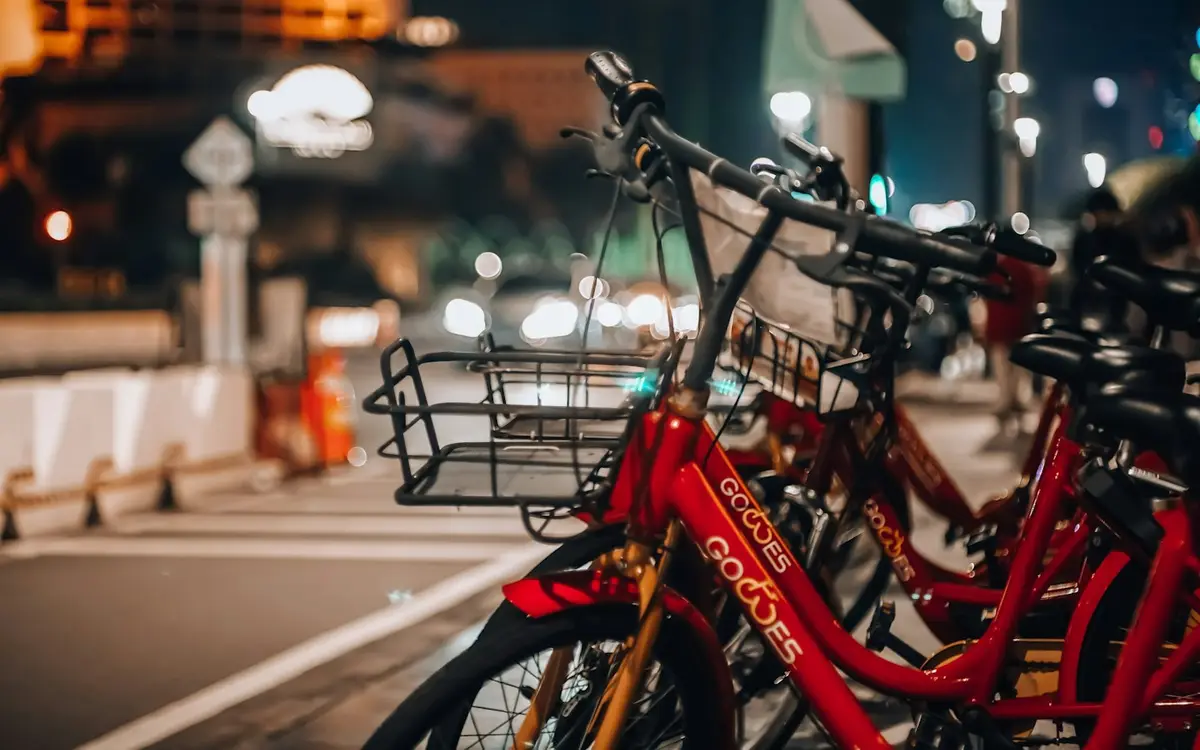
As days get shorter, many rides that used to happen in full daylight now start or end in fading light. It's exactly in that in-between light, not pitch darkness, that risk rises the most: drivers struggle to judge the distance and speed of a poorly lit cyclist, often without even realizing it.
Getting seen before you can even see
A bright, visible rear blinking light is probably the best cost-to-benefit safety item a cyclist can own: it's cheap, lasts months on a single charge, and makes a huge difference in how far away a car notices you from behind. Mount it so it's not blocked by a saddlebag, jacket, or seat pack, and check it before every ride, not just when you happen to remember.
A front light does two different jobs
A front light has two distinct purposes that often get mixed up: being seen by others, and seeing the road ahead. For unlit roads you need a wide, powerful beam that actually lights up the tarmac a few meters ahead; for being noticed in a well-lit city street, a small blinking light is enough. Using a city-style light on a dark country road is one of the most common, and most dangerous, mistakes.
Reflective gear: where it actually matters
Car headlights pick up moving body parts especially well, so reflectors on ankles and pedals work particularly well, because the circular motion of pedaling catches the eye far more than a static reflective surface. A jacket or vest with reflective panels helps, but it's not enough on its own without something moving at leg or foot level.
Watch your blind spots and riding habits
In low light, your own road behavior matters as much as the lights on your bike. Riding a predictable line, signaling turns earlier than usual, and giving yourself extra distance at intersections cost nothing and meaningfully shrink the margin for other people's mistakes. In poor visibility, even an attentive driver needs more time to react to an unexpected move.
A quick checklist before heading out in low light
Before a dawn or dusk ride, it's worth a few seconds to check: rear light charged and visible, front light suited to the road you'll ride, reflectors on ankles or pedals, and a visibly reflective layer worn on your back. Five minutes of checking that meaningfully cut the risk of not being seen in time.
The takeaway
Being seen in low light isn't about one single item, it's a small system working together: a rear light always on, a front light matched to the road, moving reflectors, and predictable riding behavior. No single piece is enough on its own, but together they genuinely make a difference.
Recommended products
LED rear bike light: the safety accessory with the best cost-to-benefit ratio for being seen from behind.
Powerful front bike light: useful for riders on unlit roads who need to actually see the road ahead.
Reflective cycling vest: adds visibility at torso height, complementing reflectors on ankles and pedals.
As an Amazon Associate, Velunite earns from qualifying purchases. Some links in this article are affiliate links: if you buy through them Velunite may earn a small commission at no extra cost to you.