The Nove Colli Gran Fondo: Route Guide and Practical Tips
Cesenatico, nine climbs through the Romagna hills, and everything worth knowing before you sign up for the Nove Colli: route, elevation and practical advice.
Written by the editorial team at Velunite
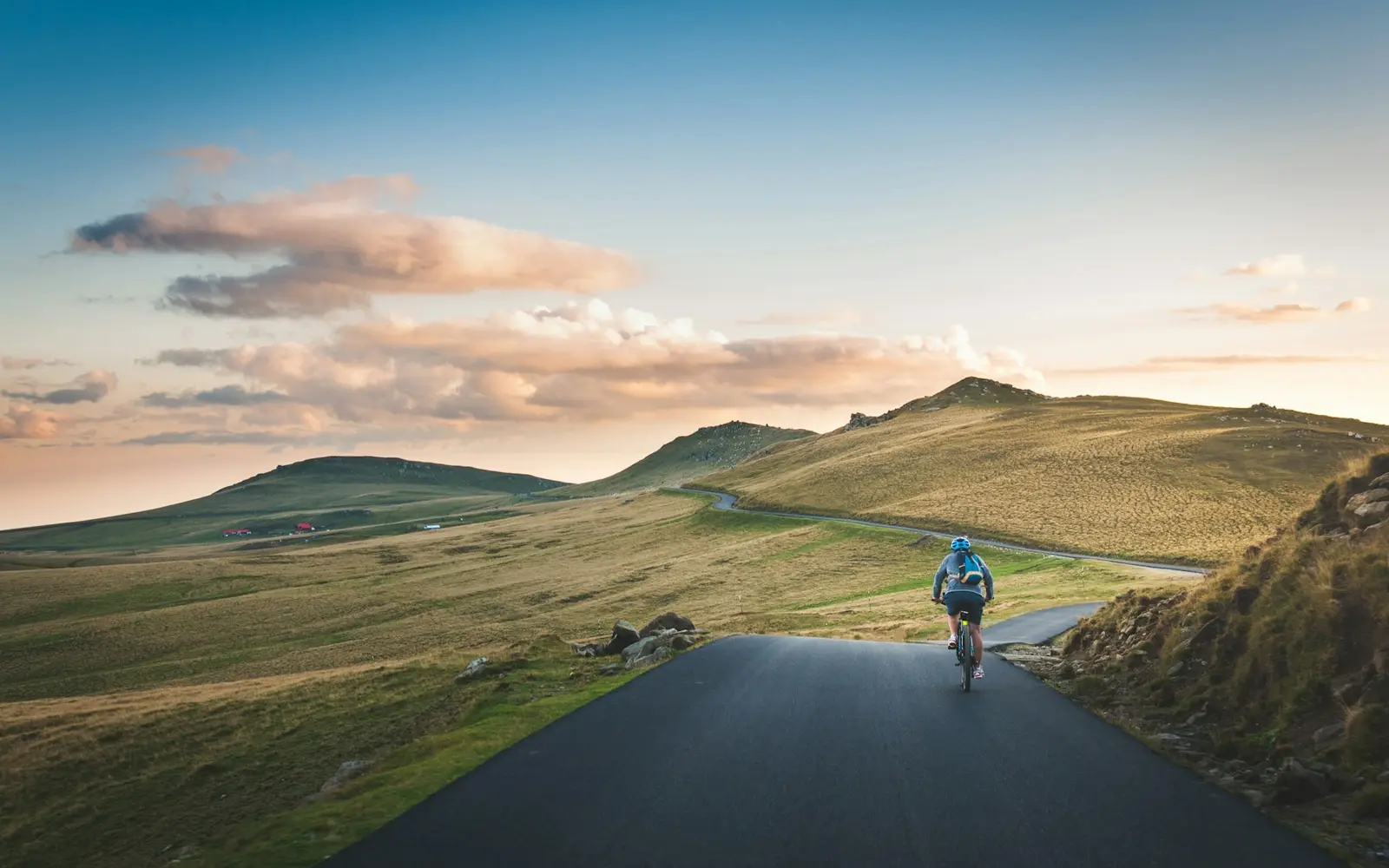
Every year, on the second Sunday of May, thousands of cyclists gather in Cesenatico for one of Italy's most beloved gran fondos: the Nove Colli. It isn't the toughest one out there, but it's the one nearly every Italian amateur cyclist wants to ride at least once, and for good reason: it tells the real story of Romagna, the hills behind the seaside resorts, with crowds cheering you up every switchback.
The route: two options, same spirit
The Nove Colli offers two routes: the short one, around 130 km with roughly 1,700-1,900 meters of climbing, and the long one, close to 205 km with about 3,700 meters of elevation gain. Both start and finish in Cesenatico, crossing the same inland countryside through Longiano, Montetiffi, and Ciola, up to the villages that give the nine climbs their name (the count is more symbolic than exact, depending on how you tally them). First-timers almost always pick the short route — it's already a serious challenge if you don't rack up thousands of kilometers a year.
The climbs that actually matter
None of them are impossible walls, but the sequence adds up: Barbotto and Ciola are the most talked about, with short stretches over 10-12%. The real trick of the Nove Colli isn't any single climb, it's the total: you reach the tenth hour of racing with legs already spent, and that's exactly where the road tilts up again. Riders who underestimate it by only looking at the elevation profile often struggle in the final third of the race.
When to register and what to know beforehand
Registration opens well in advance (usually autumn-winter for the following May edition) and spots sell out, so if you've decided to ride it, don't wait until spring. May weather in Romagna is generally mild but can shift quickly between coast and hills, so it's worth packing something light for rain even if the morning starts sunny.
How to prepare in the weeks before
You don't need anything complicated: a focused plan with long rides and repeated climb simulations in the 6-8 weeks beforehand makes more of a difference than any last-minute purchase. What matters is showing up with 100+ km rides already in your legs, not attempting that distance for the first time on race day.
What to bring on race day
A GPS computer with the route loaded takes a huge worry off your mind once fatigue sets in and the inland roads start branching off: if you don't already have one, it's worth looking at a GPS bike computer before the event so you can load the official track and avoid surprises. Always carry a spare inner tube, a multitool, and some food beyond the official aid stations — on the final climbs, when your legs are cooked, your own gel or bar can save the race.
The bottom line
The Nove Colli is a gran fondo within reach of anyone who trains consistently, not just the strongest riders: the short route is an achievable goal in your first serious year on a road bike, the long one is for those who want to really test themselves. Show up prepared, enjoy the Romagna crowds cheering along the road, and cross the finish line in Cesenatico with the satisfaction of having tackled a true classic of Italian amateur cycling.
As an Amazon Associate, Velunite earns from qualifying purchases. Some links in this article are affiliate links: if you buy through them Velunite may earn a small commission at no extra cost to you.