Bike Pedals: Clipless or Flat? A Buying Guide to Choosing the Right Ones
Flat or clipless bike pedals: the real differences, when it makes sense to switch, and what to check before buying your next set.
Written by the editorial team at Velunite
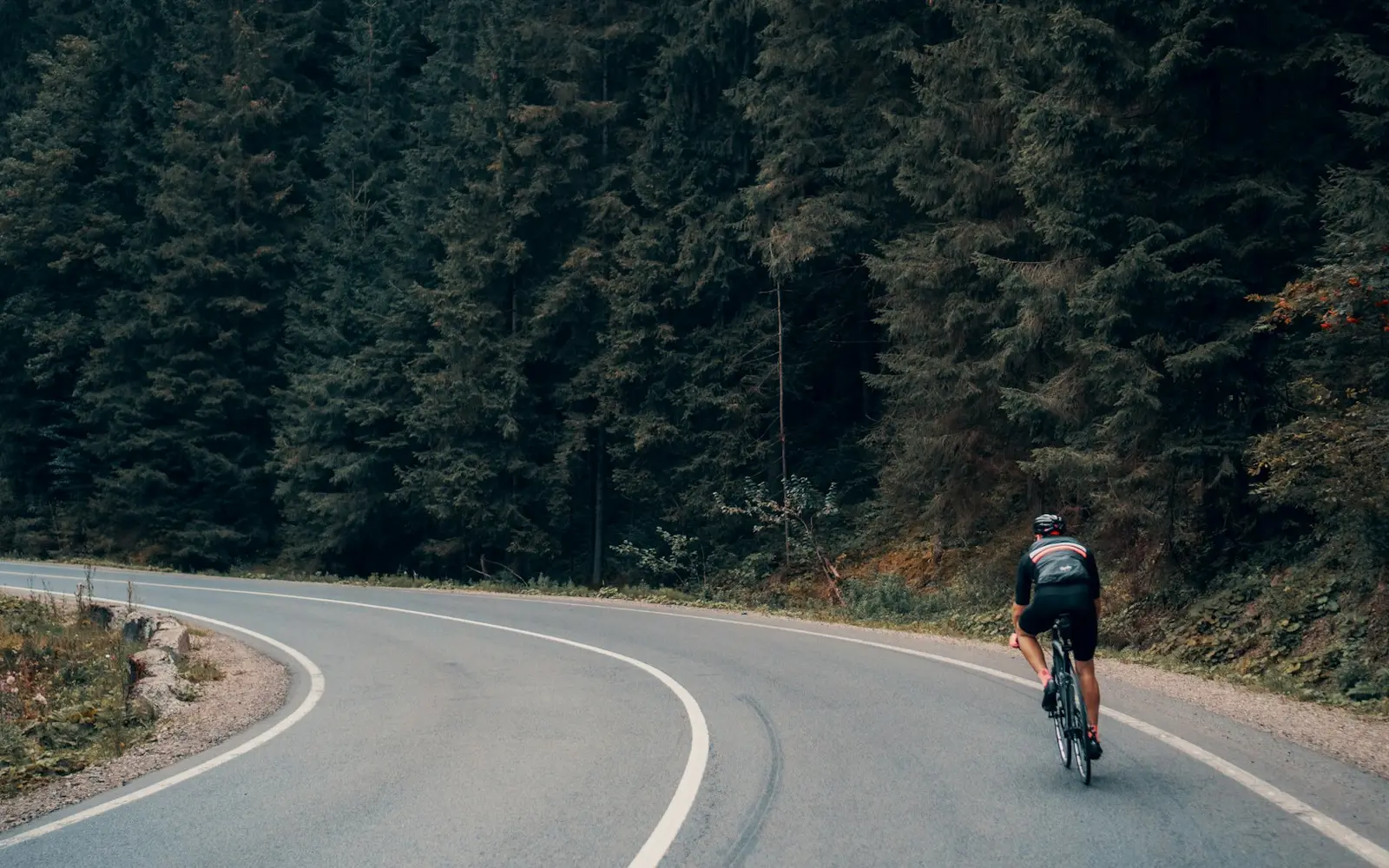
Pedals are one of your three contact points with the bike, alongside the saddle and the handlebar, yet they're often the last thing people think about when buying a new bicycle. Many road and gravel bikes are sold without pedals for exactly this reason: it's a personal choice. Here's how to navigate flat versus clipless.
Flat or clipless: the first choice
Flat pedals work with any shoe and are the natural choice for beginners, for exploratory gravel riding, or for city commuting: you just put your foot down and go. Clipless pedals (a confusing name that actually means an automatic locking mechanism) attach your shoe to the pedal via a cleat, transferring power on the upstroke as well as the downstroke. They're the standard for anyone riding road and gran fondos regularly, but they require dedicated shoes and some getting used to.
How the clip-in mechanism works
The mechanism is simpler than it looks: you insert the cleat by rotating your heel slightly outward, and release it the same way. It's worth practicing your first few times in an empty parking lot or on grass, with the pedal tension set to its lowest setting — falling over at a red light because you couldn't unclip in time is almost a rite of passage, but it's easily avoided with a bit of practice.
Two-bolt vs three-bolt cleats: the walkability question
Two-bolt systems (like SPD) use a small, recessed cleat: you can walk almost normally, which makes them ideal for gravel, bikepacking, and anyone who stops often. Three-bolt road systems use a wider, protruding cleat that offers a larger, stiffer platform for maximum power transfer on the road, but walking in those shoes is awkward and best avoided for long stretches.
What they cost and what changes between price tiers
A solid pair of entry-level clipless pedals runs roughly 40-80 €, while race-oriented models with lighter bearings and premium materials can go past 200 €. The extra cost mostly buys reduced weight and longer-lasting bearings, not radically different performance for someone riding for enjoyment rather than competing at a high level.
Common mistakes first-time clipless riders make
The most common one is cranking tension to maximum for 'safety' — it backfires, making it harder to unclip exactly when you need speed, like at an unexpected intersection. Fitting cleats other than the ones specified by the pedal manufacturer, or never lubricating them, also shortens the system's life and makes clipping in feel worse over time.
Recommended products
Dual-sided SPD pedals: flat on one side, clip-in on the other — handy for anyone switching often between city riding and gravel without changing shoes.
Clipless road pedals: the classic choice for regular road riders who want maximum power transfer.
Replacement SPD-compatible cleats: worth keeping a spare set, since they wear out faster than most people expect.
Two-bolt cycling shoes: designed for anyone who wants to walk comfortably once off the bike.
As an Amazon Associate, Velunite earns from qualifying purchases. Some links in this article are affiliate links: if you buy through them Velunite may earn a small commission at no extra cost to you.