Nutrition for cycling in autumn and winter: what to eat before, during and after
A practical guide to cycling nutrition in autumn and winter: what to eat before a cold ride, during it, and for recovery afterwards.
Free, in 1 minute: save routes, download the GPX and join group rides.
Sign up freeWritten by the editorial team at Velunite
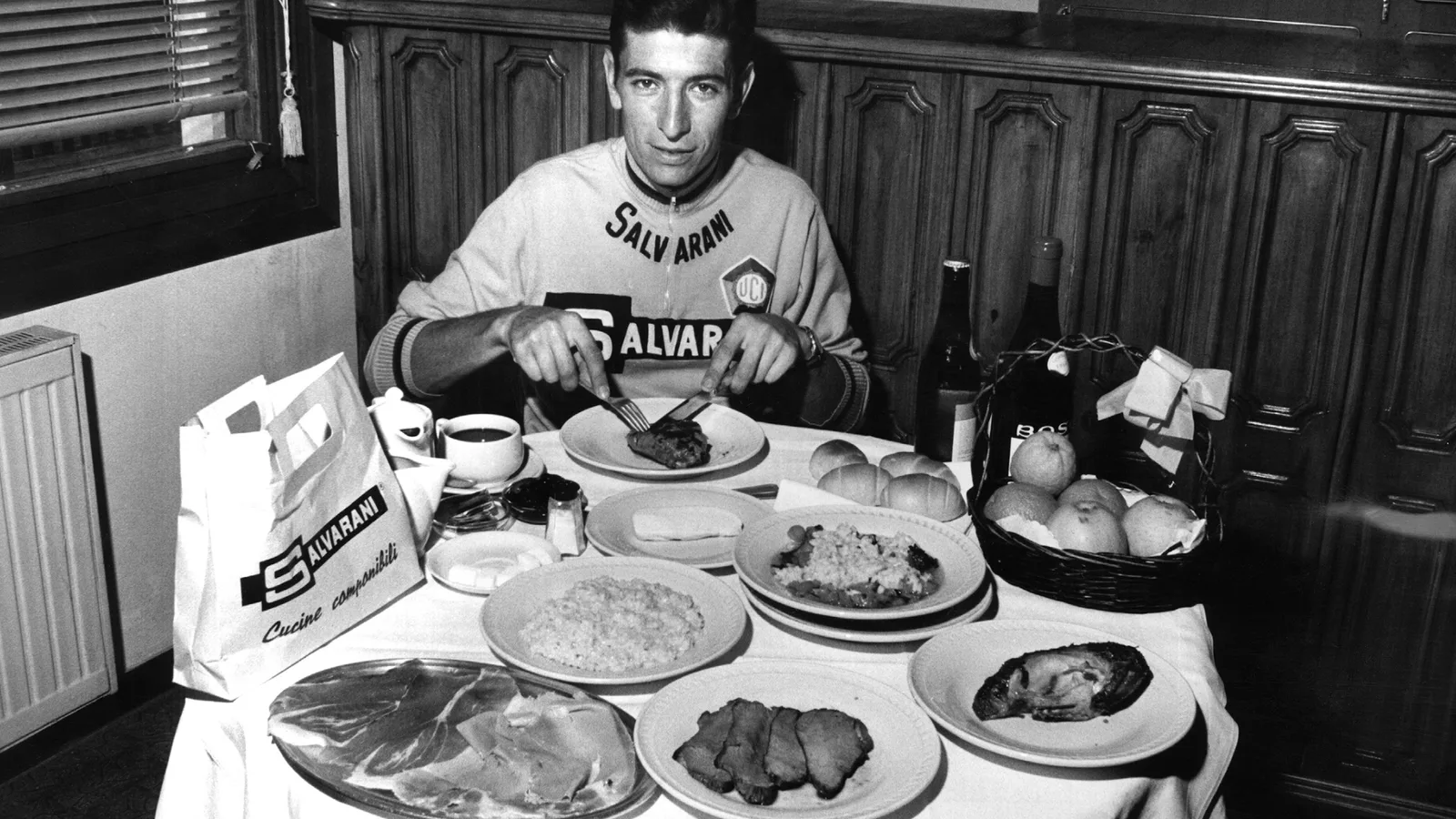
In the cold, the body burns energy just to maintain core temperature, on top of what pedalling itself requires. That's why autumn and winter nutrition deserves a bit more attention than in summer, both before, during and after a ride.
Before the ride: energy that lasts
In the cold months it's useful to aim for a pre-ride meal with complex carbohydrates (oats, whole-grain bread, rice) paired with some protein, which release energy more gradually than simple sugars. Avoiding overly heavy meals in the two hours before riding reduces the risk of digestive fatigue, which is more bothersome when the body also has to manage thermoregulation in the cold.
During the ride: don't underestimate hydration
One of the most common winter mistakes is drinking less than in summer, wrongly assuming the cold reduces fluid needs. In reality, winter dehydration is common because thirst sensation decreases, while fluid loss through breathing increases with cold, dry air. Always carrying a bottle, even on short rides, remains a good habit all year round.
For rides longer than 90 minutes, topping up with energy gels or bars for cycling helps keep blood sugar stable, which in winter also matters for limiting the feeling of cold linked to low available energy levels.
After the ride: recovery counts double
The post-ride meal in winter should include both carbohydrates to restore glycogen stores and protein for muscle recovery, ideally within 30-60 minutes of finishing. Warm drinks with some carbohydrate content, like a not-too-sweet hot chocolate or a honey tea, can also help restore body temperature faster than cold drinks.
Useful supplements in the cold season
Some cyclists find it useful to supplement vitamin D, which naturally decreases with reduced winter sun exposure, always after checking with their own doctor. A multivitamin supplement for athletes can be a sensible choice in the colder months, always as a complement rather than a substitute for a varied, balanced diet.
To round out your preparation for winter rides, you might also like our guide on how to dress for cycling in autumn.
Frequently asked questions
Do you need to eat more in winter because of the cold? Energy needs rise slightly for thermoregulation, but the real increase is often smaller than people think: it's better to rely on real hunger cues than automatic extra portions.
Is it worth drinking warm drinks during a ride? Yes, especially on long cold rides, an insulated bottle with a warm, carbohydrate-containing drink can help both energy levels and perceived comfort.
Recommended products
Energy gels for cycling are easy to carry in jersey pockets even in winter.
An insulated cycling bottle keeps drinks warm longer on cold rides.
A multivitamin supplement for athletes can be a support during the colder months.
As an Amazon Associate, Velunite earns from qualifying purchases. Some links in this article are affiliate links: if you buy through them Velunite may earn a small commission at no extra cost to you.
Attrezzatura consigliata
Affiliate links: if you buy through these links Velunite receives a small commission, at no extra cost to you.
More articles
Latest from the Journal
- Hinault and LeMond, 1986: betrayal or a team lesson?October 21, 2026
- Amsterdam, 2:03:33 in the rain, and a faster second halfOctober 21, 2026
- New York 2026: 50 years of five boroughs and three ItaliansOctober 20, 2026
- Sallanches 2027: the Domancy, twenty times, and Pogačar's planOctober 20, 2026