Wrist or chest strap heart rate: which to choose for running and cycling
Pros and cons of the optical wrist sensor and the chest strap: accuracy, comfort, cost and when you need one or the other.
Free, in 1 minute: save routes, download the GPX and join group rides.
Sign up freeWritten by the editorial team at Velunite
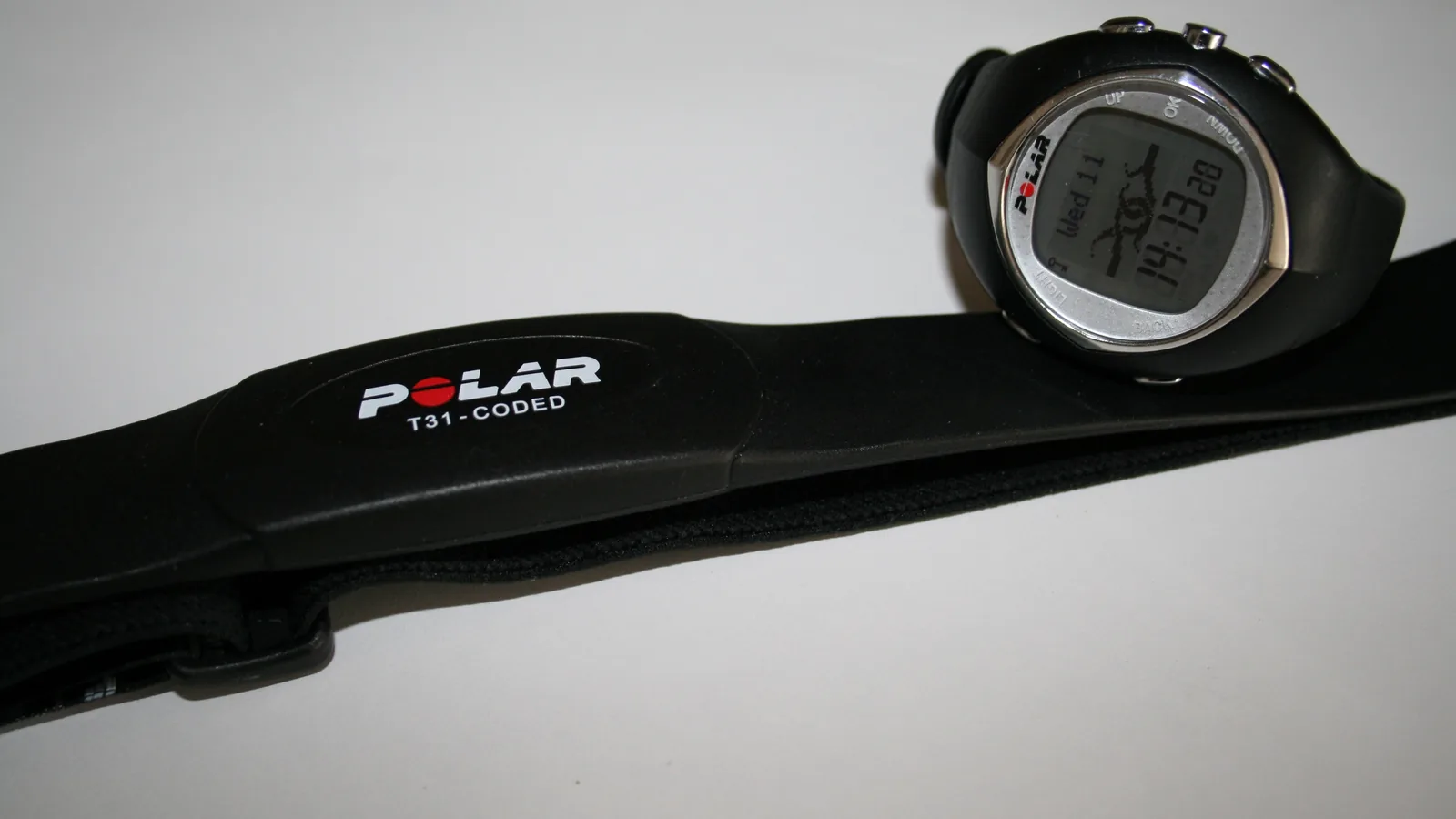
Almost every sports watch measures heart rate at the wrist, but many athletes still prefer a chest strap. Which is right? It depends on what you need to measure.
The optical wrist sensor
It is convenient and needs no accessories. It works well for steady-pace measurement such as easy runs or walks. It can lose accuracy in intermittent efforts, in the cold, with sweat, with moving arms or on handlebars, where vibration disturbs the reading.
The chest strap
It measures the heart's electrical activity, like a simplified ECG, and is generally more accurate and responsive to changes in pace. For repeats, intervals and zone training it is the most reliable choice. The downside is the nuisance of wearing it.
When the wrist is enough
If you run for fun, do easy outings and just want an idea of effort, the wrist is enough. The same goes for tracking sleep, steps and resting heart rate.
When you need the strap
If you train by zones, do repeats or want accurate data to use with zones and zone 2 training, the strap is better. On the road bike it is often the best choice, paired with a bike computer.
Cost and battery
Straps generally cost less than a watch and last months on a coin cell or rechargeable battery. Check compatibility with your device's Bluetooth and ANT+ protocols.
Getting better readings
With an optical sensor, tighten the strap a little more than usual, place it two fingers above the wrist, and in winter wait a few minutes before trusting the data. With a chest strap, moisten the electrodes before wearing it and wash it after use: poor contact and dirt distort the reading.
A useful comparison
If you doubt a value, run a test: wear wrist and strap together on a run with a few changes of pace and compare the graphs afterwards. If the curves match on steady stretches and differ only in surges, the wrist is enough for everyday use. For any concern about your heart health, the reference is a doctor, not a watch.
What to buy
A Bluetooth ANT+ heart rate strap or an armband heart rate sensor are valid alternatives.
For most amateurs the best choice is: wrist for everyday, strap for quality sessions.
Attrezzatura consigliata
Affiliate links: if you buy through these links Velunite receives a small commission, at no extra cost to you.
More articles
Latest from the Journal
- Hinault and LeMond, 1986: betrayal or a team lesson?October 21, 2026
- Amsterdam, 2:03:33 in the rain, and a faster second halfOctober 21, 2026
- New York 2026: 50 years of five boroughs and three ItaliansOctober 20, 2026
- Sallanches 2027: the Domancy, twenty times, and Pogačar's planOctober 20, 2026