Carbon plate running shoes: pros, cons and who needs them
Carbon plate running shoes: how much energy they really save, who benefits, how long they last, the risks and how to test them before a race or marathon.
Free, in 1 minute: save routes, download the GPX and join group rides.
Sign up free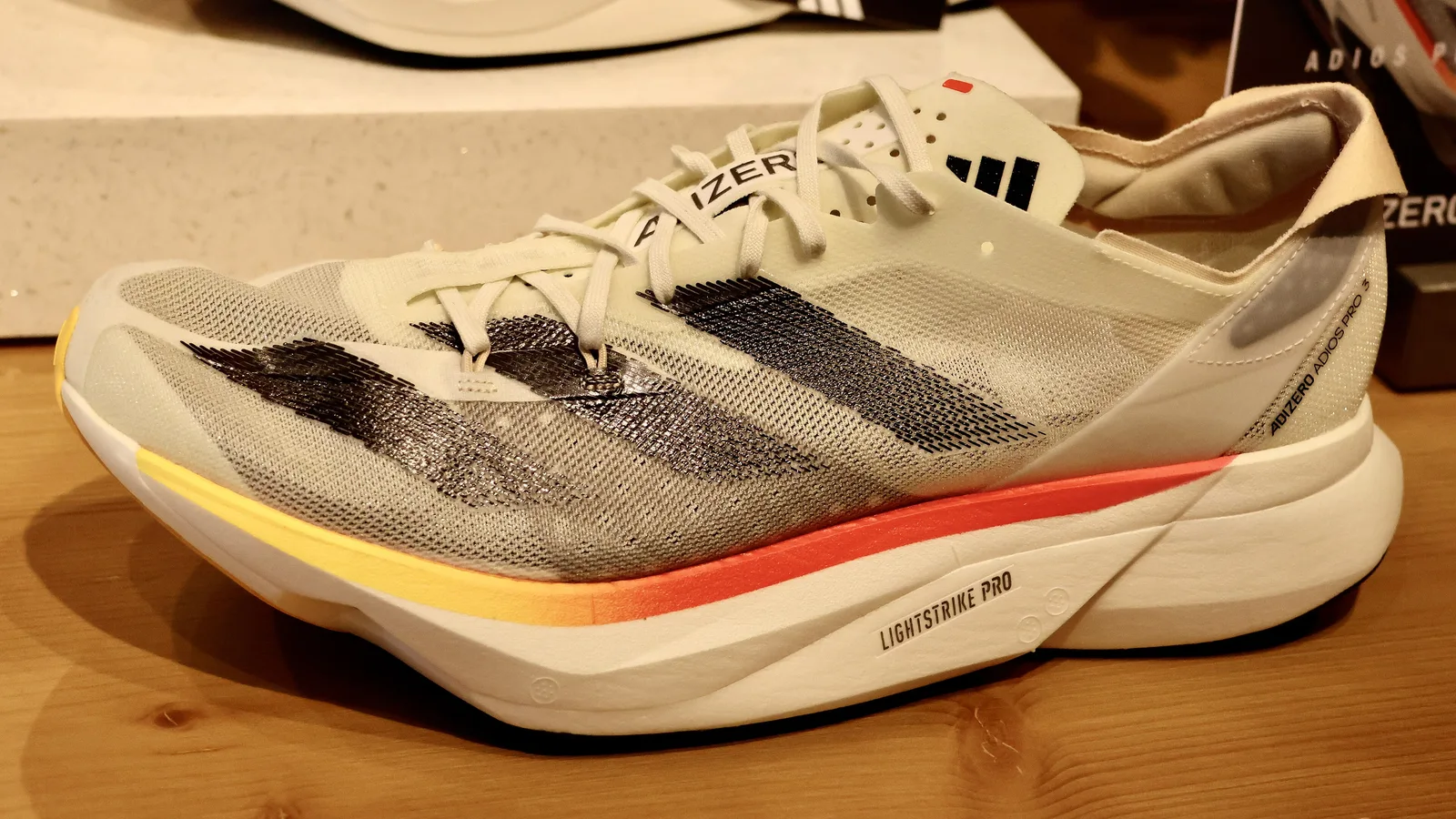
Carbon plate running shoes: what they are
Carbon shoes, also called super shoes, have a stiff carbon-fibre plate embedded in the midsole between layers of foam. The plate alone is not what makes the difference: these shoes combine three ingredients, a very soft, springy foam (usually PEBA-based, a material that returns a lot of energy), a thick sole and a curved rocker shape that helps the foot roll forward. The plate stabilises the foam and acts as a lever.
They became popular around 2017 with the Nike Vaporfly and every brand now has its own model, including cheaper versions. In this guide we look at what studies say, who benefits, the downsides and how to use them without getting hurt. If you are still choosing everyday shoes, start with our guide on how to choose running shoes.
How much do they really save: what the studies say
The first major study dates from 2018, by Wouter Hoogkamer and colleagues in Sports Medicine: runners in the prototype Nikes used about 4% less energy on average than in two traditional racing shoes, at 14, 16 and 18 km/h. Individual results varied a lot from person to person. Later studies, including other brands, found benefits often in the 2-4% range, with some people gaining much less.
What does that mean in practice? A 3% gain in running economy does not translate into a 3% faster finish time, but into a smaller gain that in a half marathon or marathon can be worth from one to a few minutes depending on your level. Note that the studies mostly cover speeds of 14 to 18 km/h (about 6:54 to 5:22 per mile): for slower runners the data is weaker, although many recreational runners report positive feelings.
The pros: when they make a difference
The main benefit is a lower energy cost at the same speed, so you can hold pace with less effort or reach the last kilometres less drained. Many people report fresher legs after a marathon, but that is a personal impression, not an effect proven for everyone.
They work best on asphalt, at brisk paces and over distances from 10 km to the marathon. In long races the benefit adds up: the longer the run, the more the saved muscle effort matters. So they are a race tool and a tool for a few race-pace sessions, not a shortcut to getting fitter.
The cons: cost, lifespan, stability and risks
Cost is the first obstacle: top-brand models roughly run from 150 to 300 euros, with cheaper alternatives of variable performance. Lifespan is limited: the foam compresses and loses spring, and according to reviews and manufacturers many pairs show wear between roughly 300 and 500 km, so using them for every run makes little sense.
Stability is another weak point: the tall, soft sole makes footing less secure in tight corners, on trails, in the wet and for people with weak ankles. Some runners report new aches in the calves, Achilles tendon or forefoot in the first weeks, because the shoe changes how the foot is loaded. So introduce them gradually. If the discomfort does not go away, stop and see a physiotherapist or sports doctor; for the basics of prevention, read how to prevent running injuries.
Who they are for, and who can skip them
They make sense if you already run regularly, have a solid base (at least 30-40 km a week), are preparing a road race and want to optimise your time. If you are starting out, or run for well-being, or have not yet built up tendons and muscles, a good cushioned training shoe gives you the same health benefits for far less money.
They are not suited to trail running, to races on dirt or with many tight turns, or to people looking for a daily shoe: lifespan and price do not justify it. A race shoe is a purchase to plan, not one to make on impulse the day after reading a review.
What the racing rules say
World Athletics, the international athletics federation, caps the sole at 40 mm for road races and allows a single rigid plate. Shoes must also be available on the open market. These rules apply to top-level official competitions: nobody checks in amateur races, but shoes on sale generally fall within these limits.
Times run in compliant shoes count for records and rankings, so you can use them freely in any competitive race.
How to introduce them without getting hurt: 4 steps
1. Try the shoes in a shop or with a return policy: fit matters more than brand. Your heel should stay put and you should have about a thumb's width in front of the toes. 2. Start with an easy 20-30 minute run every 4-5 days for the first two weeks, so calves and feet adapt. 3. Then use them in 1 or 2 race-pace sessions a week, for example long blocks at marathon pace. 4. Do at least one long run in the race shoes 3-4 weeks before the race, to check fit, blisters and comfort.
Keep your training shoes in rotation: most of your kilometres should be run in a stable, longer-lasting model. In the last weeks before a marathon, also look at how to handle race tapering and plan your pacing with the marathon time predictor.
Common mistakes with carbon shoes
1. Wearing them for the first time on race day. 2. Using them for every run and wearing them out in a few months. 3. Expecting them to fix poor pacing: they do not replace training and strategy. 4. Choosing based on advertising instead of a road test. 5. Neglecting lacing: the light upper needs good lockdown to avoid slipping. 6. Ignoring forefoot or tendon pain in the first runs.
If you want to plan your 2027 season, check the 2027 event calendar, pick a marathon or half and work backwards: if the race is on the road and you are chasing a time, it is smarter to invest in race shoes 3-4 months before the event than a few days before.
FAQ
Do carbon running shoes really make you faster?
Studies show an average energy saving of about 2-4% at speeds between 14 and 18 km/h, with large individual variation. They are not a miracle: they improve running economy but do not replace training.
Are carbon plate shoes good for beginners?
Usually not necessary. A cushioned, stable training shoe costs less and lasts longer. Super shoes make sense once you have a base and want to optimise a race time.
How many kilometres do carbon running shoes last?
It depends on the model and your weight. According to manufacturers and reviews, many lose spring between roughly 300 and 500 km, which is why they are best kept for races and specific sessions.
Can I wear carbon shoes every day?
It is not recommended: they are expensive, wear out quickly and can load the calves and Achilles tendon more. Use them in 1-2 sessions a week at most and keep a training pair for the rest.
Do cheap carbon running shoes work?
There are models under 150 euros from various brands, but the effect depends mainly on the foam and geometry, not just the plate. Try the model and read independent tests before buying.
Are they allowed in races?
Yes, if they meet World Athletics rules: sole up to 40 mm for road races and a single rigid plate. Amateur races are not checked, but shoes on the market fall within the limits.
Do I need them for a marathon?
Not required, but it is the distance where the benefit is most noticeable. Test the shoes on a long run at marathon pace a few weeks before the race.
Keep exploring
Attrezzatura consigliata
Affiliate links: if you buy through these links Velunite receives a small commission, at no extra cost to you.