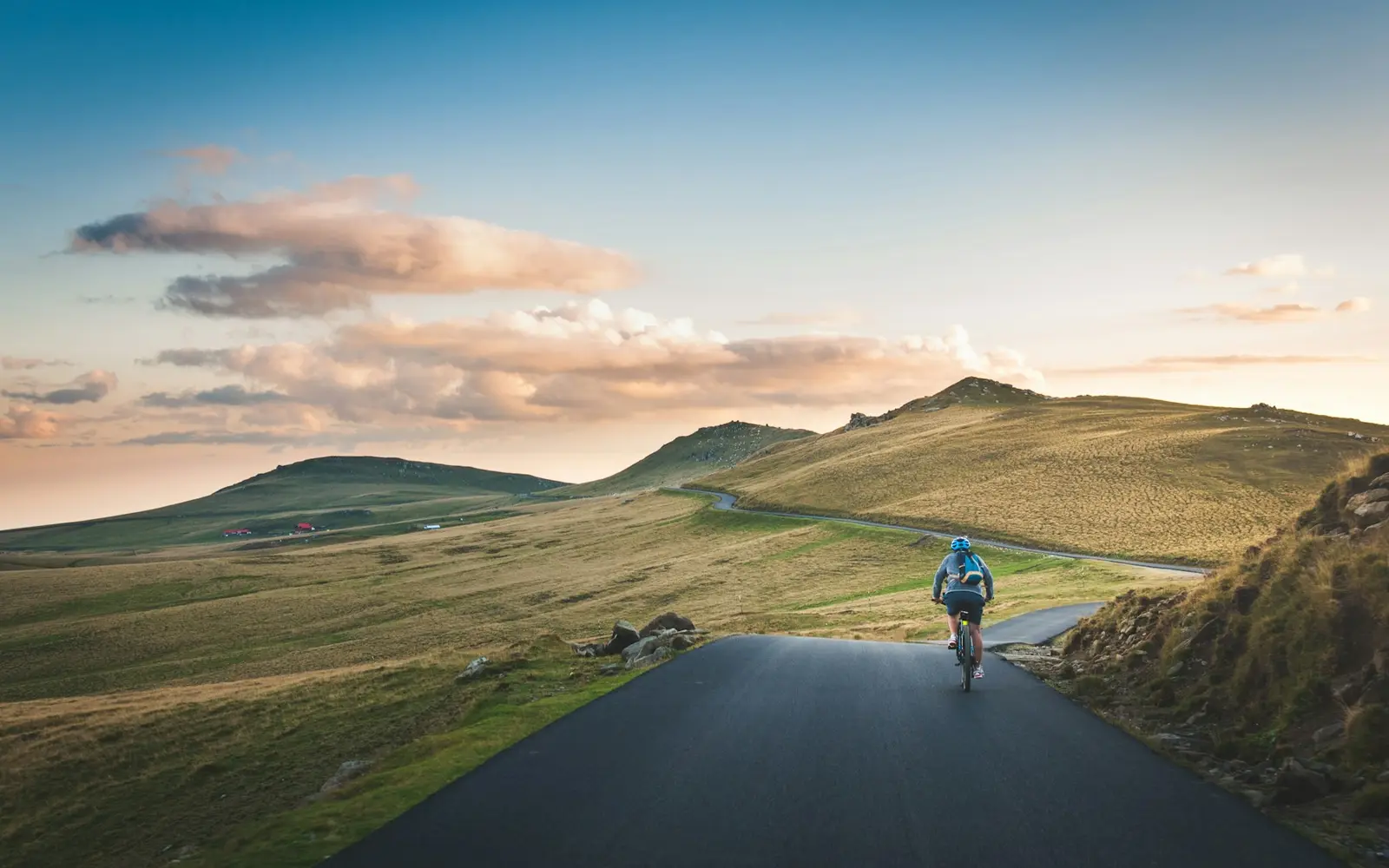
Legendary climbs in Austria
2 climbs that made cycling history in Austria, 49 km of legendary asphalt: gradients, stories and practical tips to ride them.
Austria's great scenic roads
Austria is the home of Alpine scenic roads: the Großglockner Hochalpenstraße and Timmelsjoch are the most famous, but not the only ones. Every summer thousands of riders take them on for spectacular Alpine views.
Austrian roads have a different character from the French Alps: more regular gradients, cooler climate and landscapes ranging from glaciers to alpine lakes.
When to go and what to bring
The best window is June to October, when roads are open and weather is more stable. Always check road status before leaving: many are toll roads and can close for snow.
For gearing you need easy ratios, with a compact crankset and wide cassette: the 8% average gradients demand consistency. Carry at least a litre of water and a spare gel.
Getting there and where to stay
Austria is reachable by car from Milan and Verona in a few hours: the towns of Bruck and St. Leonhard in Passeier are ideal starting points for the most famous climbs.
Summer is the busiest season: booking ahead is advisable, especially during race weeks. Many properties offer cyclist services: bike storage, workshop and energy breakfast.
FAQ
Which are the most famous climbs in Austria?
The best known are listed below with distance, elevation gain and average gradient — each with its own story, from Tour and Vuelta legend to local myth.
When is the best time to ride them?
June to September is the safe window for high Alpine passes, which can stay snowbound until late spring. Always check seasonal road openings before planning.
What is the hardest climb in Austria?
By average gradient, "Großglockner Hochalpenstraße" tops the list at 8.3%. Check its own page for the full elevation profile and gearing advice.