Bosch Performance Line CX vs Shimano EP801: e-bike motors compared
Bosch Performance Line CX vs Shimano EP801: torque, weight, power and support, to help you choose the right e-bike motor for an e-MTB or electric gravel bike.
Free, in 1 minute: save routes, download the GPX and join group rides.
Sign up freeWritten by the editorial team at Velunite
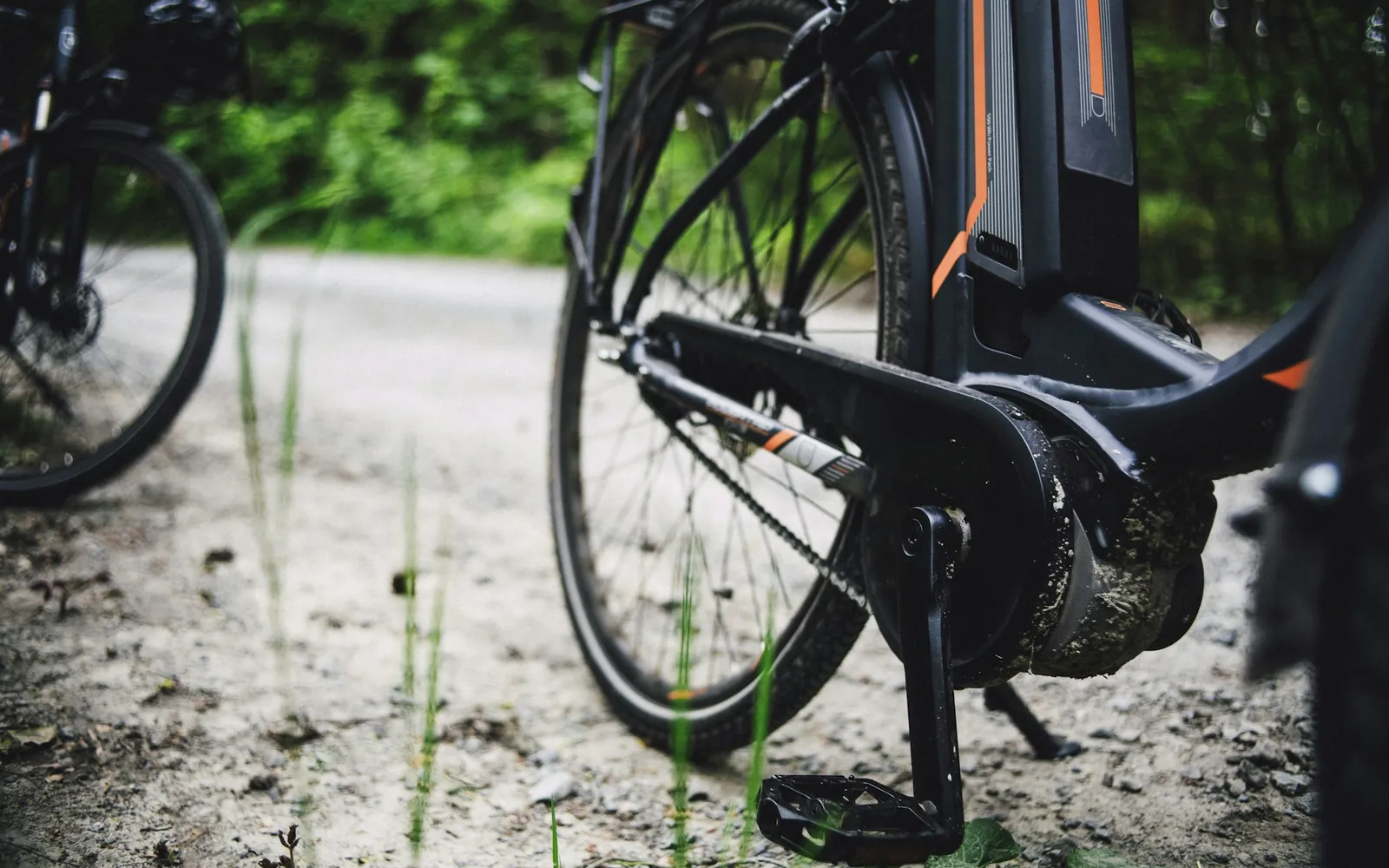
Anyone shopping for an e-MTB or a motor-assisted gravel bike almost always runs into the same question: is it better to get a bike fitted with a Bosch motor or one with a Shimano motor? The two most common families at the top of the segment are Bosch's Performance Line CX and Shimano's EP801, both built for demanding off-road use (enduro, trail e-MTB, technical gravel) rather than simple city commuting.
Bosch Performance Line CX: torque as its calling card
The Performance Line CX is Bosch's flagship motor for serious off-road use. According to the manufacturer, the latest generation offers a claimed maximum torque of around 85 Nm and peak power of roughly 600 W, with a slightly reduced weight compared to previous versions while keeping the same power output. Bosch's long-standing strength is its ecosystem: displays, remotes and apps are extremely widespread and standardized across bike brands, which makes it easier to find compatible service and parts across Europe.
Shimano EP801: compact and integrated
Shimano's EP801 motor (part of the EP8 family) is rated, according to the manufacturer's official technical page, at a maximum torque of 85 Nm, maximum power of 600 W, and a weight of about 2.7 kg for the magnesium-cased drive unit, with Class 3 assistance up to 25 km/h and compatibility with the second-generation battery management system. On paper the claimed figures are very close to Bosch's: the real difference shows up more in quietness and pedaling feel, where several industry outlets report a slightly more "natural" and less intrusive feel from the EP801 compared with earlier generations of both brands.
Range, software and updates
Beyond the claimed torque and power numbers, what often makes the day-to-day difference is the software: both manufacturers offer apps to customize assist modes and monitor battery usage, with periodic firmware updates. Bosch has the advantage of a very widespread service network across Europe, while Shimano leans on integration with the rest of the drivetrain (especially on models with Shimano gearing), a detail that can simplify maintenance for riders who prefer a single-brand ecosystem.
Battery, overall weight and sensors
Another factor that shapes the riding experience beyond raw motor torque is how the motor pairs with the battery chosen by the bike manufacturer: both systems are offered with different battery sizes, typically ranging from around 400 to 800 Wh, and many models allow adding a range extender battery for longer rides. On the sensor side, the latest generations of both motors integrate systems that measure cadence, rider torque input and terrain incline multiple times per second, delivering assistance in a more natural way than earlier generations — a difference that's especially noticeable when transitioning between dirt and tarmac, or on the sudden gradient changes typical of trail mountain biking.
Which motor to choose
If you're shopping for an e-MTB or electric gravel bike and value widespread service availability and a very common accessory ecosystem, Bosch remains a solid, hard-to-get-wrong choice. If you already ride a bike with a Shimano drivetrain and want tighter brand integration between motor and gearing, the EP801 is an equally valid alternative. Either way, before choosing the complete bike it's worth reading our guide on how e-bikes work and who really needs one to figure out what level of assistance you actually need.
Recommended products
For regular e-bike riders, a few accessories make a real difference: a spare e-bike charger to keep in the car or at the office, a sturdy anti-theft lock given the extra attention e-bikes attract, and a protective display cover to shield it from knocks and weather.
As an Amazon Associate, Velunite earns from qualifying purchases. Some links in this article are affiliate links: if you buy through them Velunite may earn a small commission at no extra cost to you.
Attrezzatura consigliata
Affiliate links: if you buy through these links Velunite receives a small commission, at no extra cost to you.
More articles
Latest from the Journal
- Hinault and LeMond, 1986: betrayal or a team lesson?October 21, 2026
- Amsterdam, 2:03:33 in the rain, and a faster second halfOctober 21, 2026
- New York 2026: 50 years of five boroughs and three ItaliansOctober 20, 2026
- Sallanches 2027: the Domancy, twenty times, and Pogačar's planOctober 20, 2026