Carbon wheels: Zipp 303 Firecrest vs DT Swiss ARC 1600, which to choose
Zipp 303 Firecrest vs DT Swiss ARC 1600 Dicut compared: two high-end carbon road wheelsets, their weight, aerodynamics and price.
Free, in 1 minute: save routes, download the GPX and join group rides.
Sign up freeWritten by the editorial team at Velunite
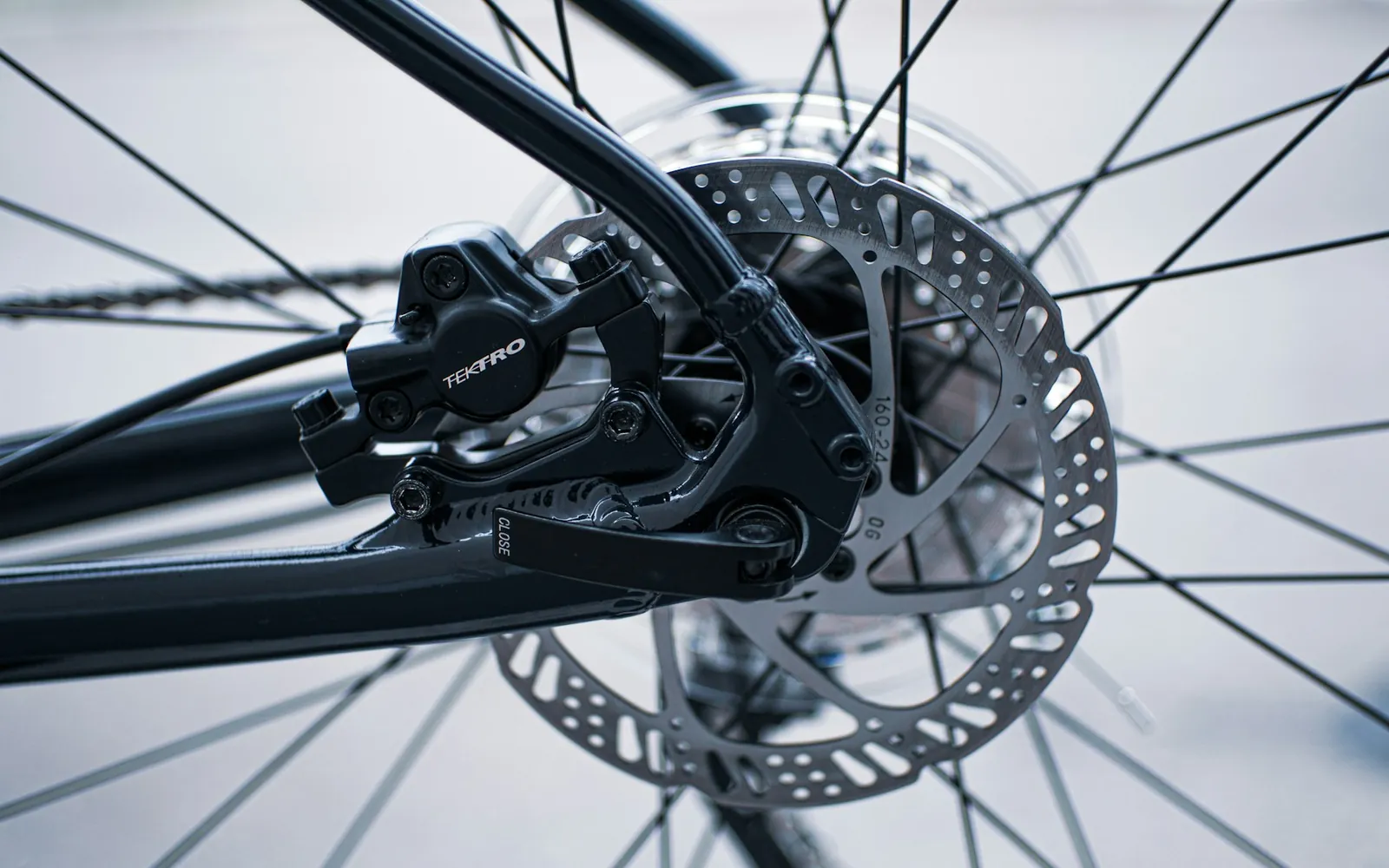
Moving from stock wheels to a carbon set is one of the upgrades that changes a road bike's feel the most: less rotating weight, more momentum at speed and, often, a clear step up on climbs and flats alike. Among the aftermarket brands most riders consider for this upgrade are Zipp and DT Swiss, with two lines competing in the same price bracket and for the same type of rider: the cyclist who wants race-ready wheels without going fully custom.
Zipp 303 Firecrest: Zipp's all-round aero wheel
The 303 Firecrest line is Zipp's "all-round" offering, with a rim depth around 40-45mm designed to stay efficient both on flats and on gentler climbs, where a deeper profile starts to cost you. According to the manufacturer, the latest tubeless disc versions with a Zipp hub and swappable freehub body sit in an indicative weight range of about 1,450-1,550 grams per set, depending on spoke configuration and freehub body choice (Shimano/SRAM or XDR).
DT Swiss ARC 1600 Dicut: DT Swiss's performance tier
DT Swiss's ARC Dicut series comes in several depths (50, 62, 80mm), and the 1600 sits between the flagship 1100 and the more accessible lower tiers. DT Swiss's traditional strength is its ratchet-system hub engagement, prized for easy maintenance and spare-part availability even years down the line. Weight, per the manufacturer's figures, lands in a similar bracket to Zipp's, around 1,500-1,600 grams per set in the 50mm version, slightly more on deeper profiles.
Weight, aerodynamics and stiffness
On paper the two sets are very close: differences of a few dozen grams that, in everyday riding, matter less than tire pressure or rider weight. Where you may notice a real difference is in crosswinds: Zipp's thin-walled ImPress-formed profiles tend to stay more composed under sudden gusts than taller, less sculpted rims, while DT Swiss focuses on a sidewall design meant to reduce turbulence at a given depth.
Price and long-term service
Both sets sit in an indicative price range of roughly 1,800-2,400 euros per pair on the Italian market (US and UK pricing can differ, so always check the current price with your retailer), depending on depth and seasonal promotions. Beyond purchase price, think about servicing: DT Swiss hubs are known for how easily you can find spares (ratchets, bearings) even years later, a real plus if you keep a bike long-term, while Zipp leans on SRAM's fairly widespread dealer service network, SRAM being its parent brand.
Which one to choose
If your terrain is mixed, with gentle climbs and plenty of flat where aerodynamics matter, the 303 Firecrest remains one of the most versatile options in the category. If you prioritize simple long-term maintenance and swap tires or setups often, the DT Swiss ecosystem pays off with easier spare-part management. Either way, before investing in a set like this, it's worth reading our guide on how to choose wheels for road and gravel bikes to see whether the performance jump over your current stock wheels is really what you're after.
Recommended products
Running a carbon wheelset well also means having the right accessories: tubeless sealant, a torque wrench so you don't over-tighten spokes or the disc rotor, and a good bike work stand for precise home maintenance.
As an Amazon Associate, Velunite earns from qualifying purchases. Some links in this article are affiliate links: if you buy through them Velunite may earn a small commission at no extra cost to you.
Attrezzatura consigliata
Affiliate links: if you buy through these links Velunite receives a small commission, at no extra cost to you.
More articles
Latest from the Journal
- Hinault and LeMond, 1986: betrayal or a team lesson?October 21, 2026
- Amsterdam, 2:03:33 in the rain, and a faster second halfOctober 21, 2026
- New York 2026: 50 years of five boroughs and three ItaliansOctober 20, 2026
- Sallanches 2027: the Domancy, twenty times, and Pogačar's planOctober 20, 2026