Your First Half Marathon (or Marathon): How to Pace It Without Falling Apart at Mile 18
Pacing, race-day fueling and the mental side: a practical strategy for tackling your first half marathon or marathon without hitting the wall.
Written by the editorial team at Velunite
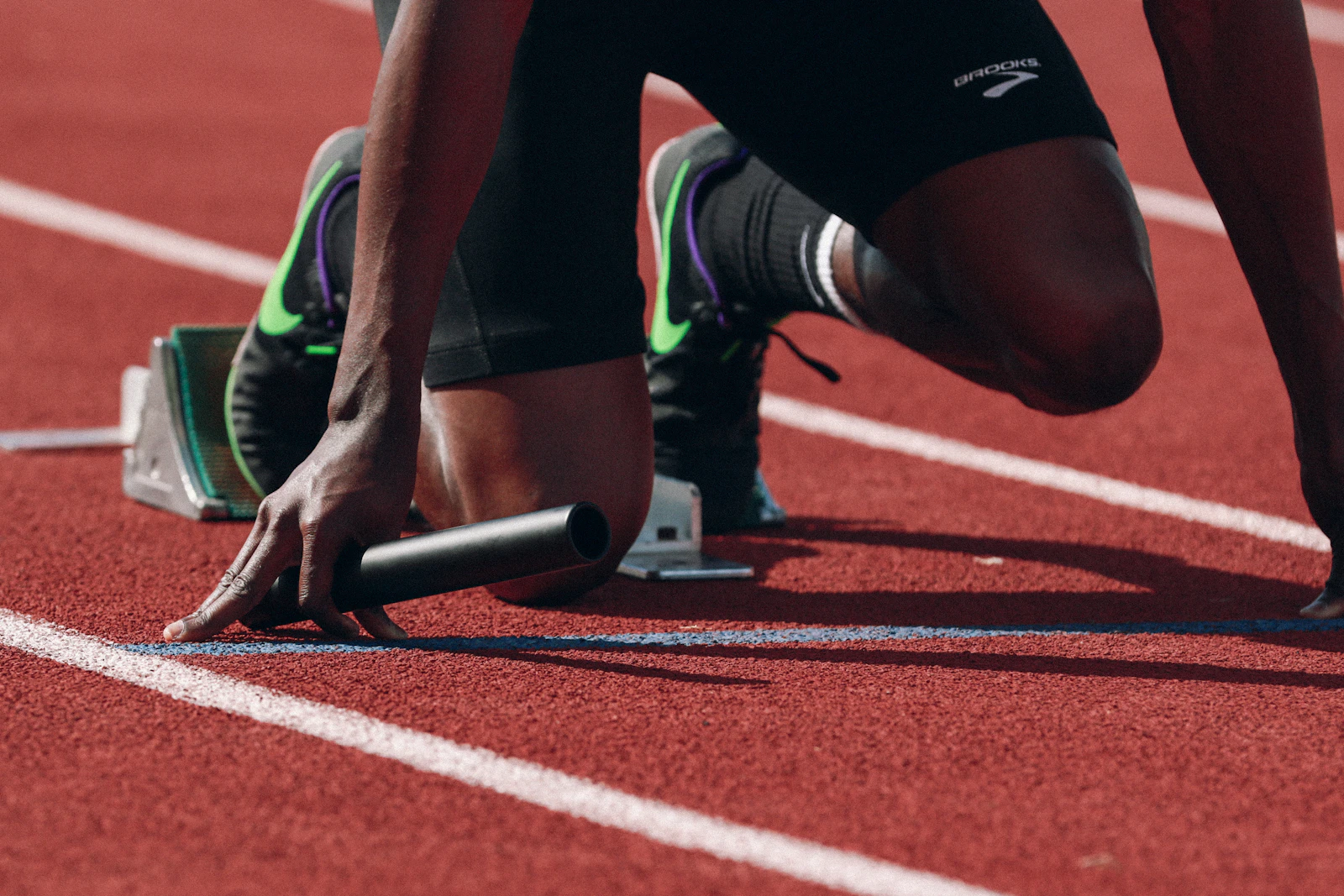
The most common mistake at your first long race isn't showing up undertrained — it's mismanaging the race itself. Adrenaline, the crowd, a downhill start: everything pushes you to go out faster than planned, and that's exactly what leads to hitting the wall in the final third of the race. With a simple strategy, race day becomes much easier to handle.
Start slower than it feels like you should
In the first few kilometers, with fresh legs and adrenaline running high, the right pace almost feels slow. That's an almost universal illusion: starting-line euphoria makes a pace that's actually already too fast feel 'easy'. The most reliable rule of thumb is to run the first few kilometers 10-15 seconds per km slower than goal pace, and let the second half of the race be the faster one — not the other way around.
Negative splits: every runner's quiet goal
Well-run races almost always show a pattern where the second half is equal to or faster than the first — that's called a negative split. It's not some elite-only detail; it's simply the most efficient way to use the energy you have and avoid the classic late-race collapse, when muscles run low on glycogen and every step becomes a fight.
Race-day fueling: never improvise
Race day is not the time to try a gel you've never tested, or to skip a fueling stop because you 'feel fine'. Beyond 75-90 minutes of effort, your body needs a steady stream of carbs — gels, salts, whatever you've tested in training — so it doesn't run short exactly when it matters most. The golden rule never changes: nothing new on race day, only what you've already tried on your long runs.
Managing your head in the final kilometers
In the closing stretch of a half or full marathon, the battle turns more mental than physical. Breaking the remaining distance into small chunks — 'get to the next kilometer marker, then reassess' — works better than thinking about the total distance still ahead. Having a phrase or a thought to fall back on in the toughest moments, decided in advance, helps more than it sounds like it should.
The day before matters almost as much as the race itself
Sleeping well, staying hydrated, eating familiar, well-tested meals — never trying something new the night before — and laying out your gear calmly all cut down on stress that, on its own, can already drain valuable energy before the starting gun even goes off.
The difference between a race enjoyed all the way to the finish and one suffered through in the final kilometers is rarely about one extra week of training. It almost always comes down to pacing strategy and managing your energy, mental and physical, across the whole distance.
Looking for the right race to debut? Our 2027 marathon and gran fondo calendar lists dates, locations and official links for next season's main half marathons and marathons.
Recommended products
To avoid running dry at kilometer 15, a running gel belt keeps fuel and phone locked down with no bounce.
Race strategy must be rehearsed with the same energy gels for running you will use on race day, never with new products.
Running a negative split is far easier with a GPS running watch showing average pace, so you know when you started too fast.
For the closing kilometers as temperatures rise, a breathable technical running shirt keeps sweat weight off your back.
Blisters at kilometer 30 ruin everything: anti-blister double-layer running socks are cheap insurance.
As an Amazon Associate, Velunite earns from qualifying purchases. Some links in this article are affiliate links: if you buy through them Velunite may earn a small commission at no extra cost to you.