Protein and recovery for athletes: how much you really need
How much protein runners and cyclists need: g/kg ranges with sources, a sample day, common foods, and when supplements matter and when they do not.
In 1 minute: save routes, download the GPX and join group rides.
Sign upWritten by the editorial team at Velunite
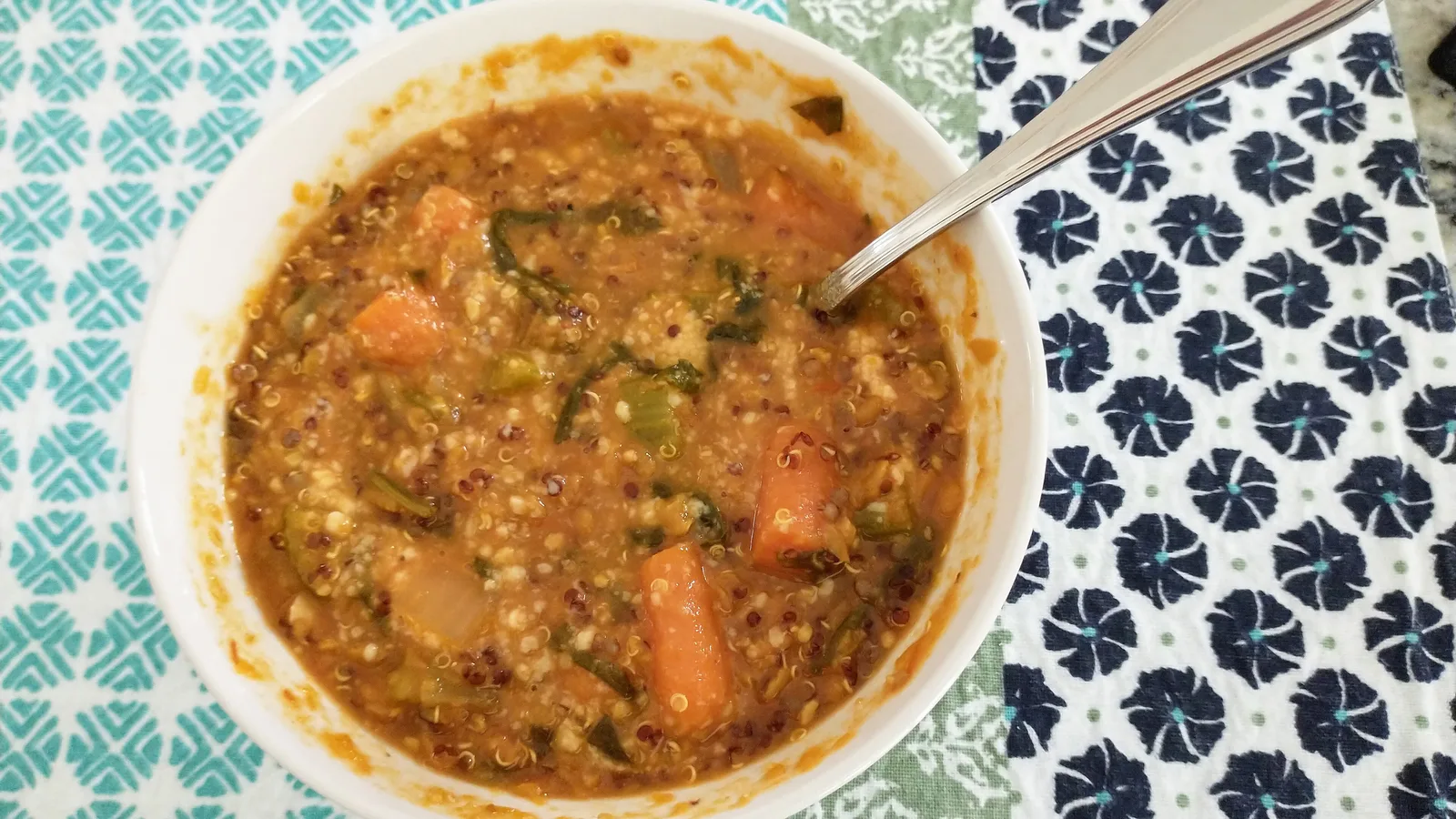
People who train regularly hear everything and its opposite about protein: that enormous amounts are needed, that food is enough, that without a shake after training the work is lost. The reality is more sober. For most people who run or ride, excess and miracle supplements are not needed, but an adequate amount spread across the day, together with enough carbohydrates and good sleep. This guide explains how much, with verifiable numbers and a sample day, without performance promises. For the overall picture of what to eat around the same hours, also read the guide on what to eat before and after a run.
How much protein do people who train need?
For a low-activity adult, general recommendations sit around 0.8-0.9 grams per kilo of body weight a day. Regular trainers have higher needs: the International Society of Sports Nutrition position stand puts it at 1.4-2.0 g/kg a day for people who exercise, towards the top in periods of heavy training or calorie deficit (ISSN, Jäger et al., 2017). An example: a 70 kg person running four times a week falls between 98 and 140 grams a day, and for many the low or middle part of the range is already adequate. This is not an individual prescription: age, goals and health conditions change the picture.
How should you spread it through the day?
Distribution matters more than precise timing. Studies summarised in the same ISSN position suggest dividing intake into 3-5 meals, with roughly 0.25-0.4 g/kg per meal, which is 20-30 grams for a 70 kg person. The window after training is less narrow than some slogans claim: you can eat within a couple of hours without losing anything. After a long session the priority is to combine protein and carbohydrate to restore energy stores; recovery is completed by sleep, as explained in the guide to recovery after running in 24-48 hours.
Which foods count and how much protein do they have?
The values below are orders of magnitude per 100 grams of product, to be checked against the CREA food composition tables (Italian) or the label: whole egg about 12 g (a medium egg gives around 6-7), Greek yoghurt 8-10 g, cow's ricotta 8-9 g, Parmigiano Reggiano over 30 g, raw chicken breast about 23 g, tuna in water drained about 25 g, dried lentils about 22 g (cooked about 8-9 g), dry pasta 12-13 g, bread 8-9 g. Plant sources usually cost less but have less protein per serving and a less complete amino acid profile: combining pulses and cereals during the day solves that. For people who ride long hours in the cold months, the guide to autumn and winter cycling nutrition offers ideas for complete meals.
A sample day for 70 kg
Indicative target: about 1.6 g/kg, so 110-115 grams. Breakfast: 200 g of Greek yoghurt with oats and a slice of wholemeal bread, about 28 g. Lunch: 90 g of pasta with 120 g of chicken breast and vegetables, about 38 g. Afternoon snack: two hard-boiled eggs or 150 g of ricotta with fruit, about 15-18 g. Dinner: 150 g of cooked lentils and an egg, or 150 g of fish, about 30-35 g. A total of around 110-120 g without powders or bars. If you go out for a long run, add carbohydrates before and during, as explained in the guide to the Sunday long run, and on rest days keep the pattern with smaller portions.
When are supplements useful?
For people on a varied diet, protein supplements are not necessary: they are a convenience when eating is difficult (travel, work hours, reduced appetite after hard effort) or on a vegan diet with low intake. A scoop of protein powder usually contains 20-25 grams of protein: always check the label, and prefer products with clear ingredients and, if possible, certified by independent anti-doping testing programmes such as Informed Sport. Supplements do not replace complete meals and do not work miracles. If you have kidney problems, a metabolic disease, are pregnant or take medication, talk to a doctor before raising protein. An article does not replace professional advice.
What mistakes are most common?
The first is concentrating protein at dinner only, leaving breakfast poor. The second is neglecting carbohydrates: a diet rich in protein but low in carbohydrate leaves the body without energy for the next session. The third is relying on powder to feel covered and skipping meals. The fourth is chasing a target that is too high (over 2 g/kg) for no reason. The fifth is confusing muscle soreness with a lack of protein: it often depends on load, sleep or hydration. If pain is localised and persists, it may be an injury: read the guide to common running injuries.
How do you put it into practice?
Start from the poorest meal of your day and add 20-25 grams of protein: it is usually breakfast. Track what you eat for a week, without obsession, to see where you stand against the reference range. Give priority to training consistency, which is built with a realistic plan: for running there is the 8-week half marathon plan, for the year's races the 2027 calendar. If you have specific doubts, a dietitian or sports doctor can give you a personalised assessment.
Sources: International Society of Sports Nutrition, Position Stand on protein and exercise (2017); CREA food composition tables. Nutritional values are approximate and vary by brand and cooking. Velunite editorial team.
More articles
Latest from the Journal
- MTB races are closing: Sirente gone, Dolomiti on the edgeNovember 20, 2026
- Bologna 2027: the marathon costs 10 euros more at each price tierNovember 20, 2026
- WorldTour 2027 calendar: Worlds in August, Vuelta in SeptemberNovember 19, 2026
- Valencia, 6 December: Kejelcha returns to the marathon after sub-2November 19, 2026