How to Choose the Right Helmet: Sizing, Ventilation, and When to Replace It
A practical guide to buying a bike helmet: how to measure your correct size, what to look for beyond the color, and how often you should replace one.
Written by the editorial team at Velunite
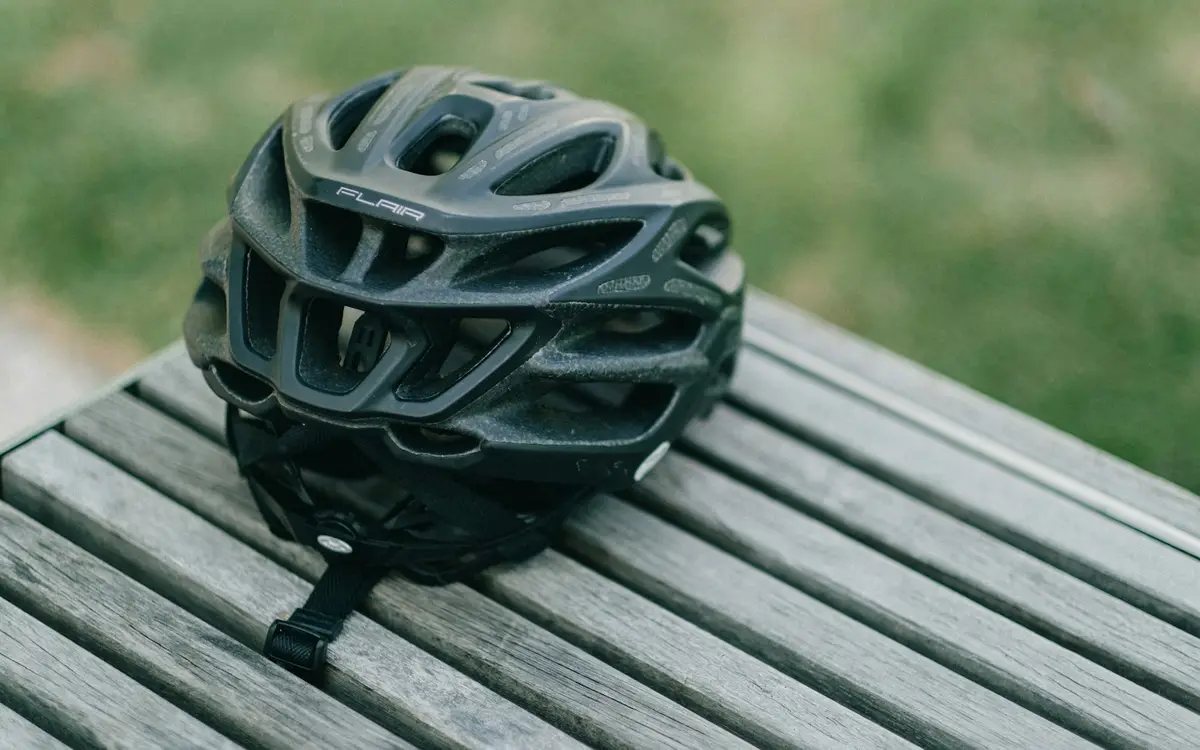
A helmet is probably the most underrated safety item when it comes to how it's chosen, because people often buy based on color or brand alone. But a helmet that doesn't fit well protects less than it should, even with all the right certifications, simply because in a crash it can shift or fail to absorb the impact where it's supposed to.
How to actually measure your size
The right size comes from a soft tape measure wrapped around your head about two centimeters above your eyebrows, at the widest point of your skull. That number in centimeters needs to be checked against the manufacturer's size chart, which varies from brand to brand: the same size M can mean different measurements between two companies. Buying a helmet based only on the size printed on the box, without checking the centimeters, is a common and entirely avoidable mistake.
The shake test
Once it's on and adjusted, a good test is to shake your head firmly in every direction: the helmet shouldn't slide forward over your eyes, backward off your neck, or rotate sideways. The chin strap should be adjusted to leave room for at most two fingers, snug enough to hold the helmet in place without pressing on your throat or feeling uncomfortable.
Ventilation: more than just summer comfort
Vents aren't just there to keep you cool in summer: a well-ventilated helmet helps you stay sharp even on long rides, because excess heat on your head causes more fatigue than most people realize. Riders who spend a lot of time climbing or riding in hot weather benefit from models with lots of front vents; those who ride at higher speeds, where airflow is already better, might prefer a balance between ventilation and aerodynamics.
Useful extras: visor, integrated lights, MIPS
A few details make a real difference over time: a removable visor helps against low sun at dawn or dusk, a mount for a small integrated rear light saves you from attaching one elsewhere, and MIPS technology (an inner layer that reduces rotational forces in an angled impact) is now available even on mid-range helmets for a modest price bump.
When to actually replace it
A helmet should be replaced right after any crash involving an impact to the head, even if it looks fine from the outside: the internal foam structure absorbs impact by deforming in ways that are often invisible externally, and it won't protect you as well against the next hit. Without any crashes, most manufacturers still recommend replacing a helmet every 3 to 5 years, since materials degrade over time from sweat, sun exposure, and general wear.
The takeaway
A well-chosen helmet is measured in centimeters, not generic sizes, tried on before buying, and replaced after any impact or at least every few years. It's the one piece of gear genuinely worth taking your time over.
Recommended products
Road bike helmet: the category to browse for a light, well-ventilated model.
Bike helmet with MIPS technology: an inner layer that reduces rotational forces in an angled impact.
As an Amazon Associate, Velunite earns from qualifying purchases. Some links in this article are affiliate links: if you buy through them Velunite may earn a small commission at no extra cost to you.