Roadside Flat Tire: How to Change a Tube in 5 Minutes Without Panicking
A step-by-step guide to fixing a flat on the road: the tools to always carry, the mistakes riders make, and tricks to get rolling again fast.
Written by the editorial team at Velunite
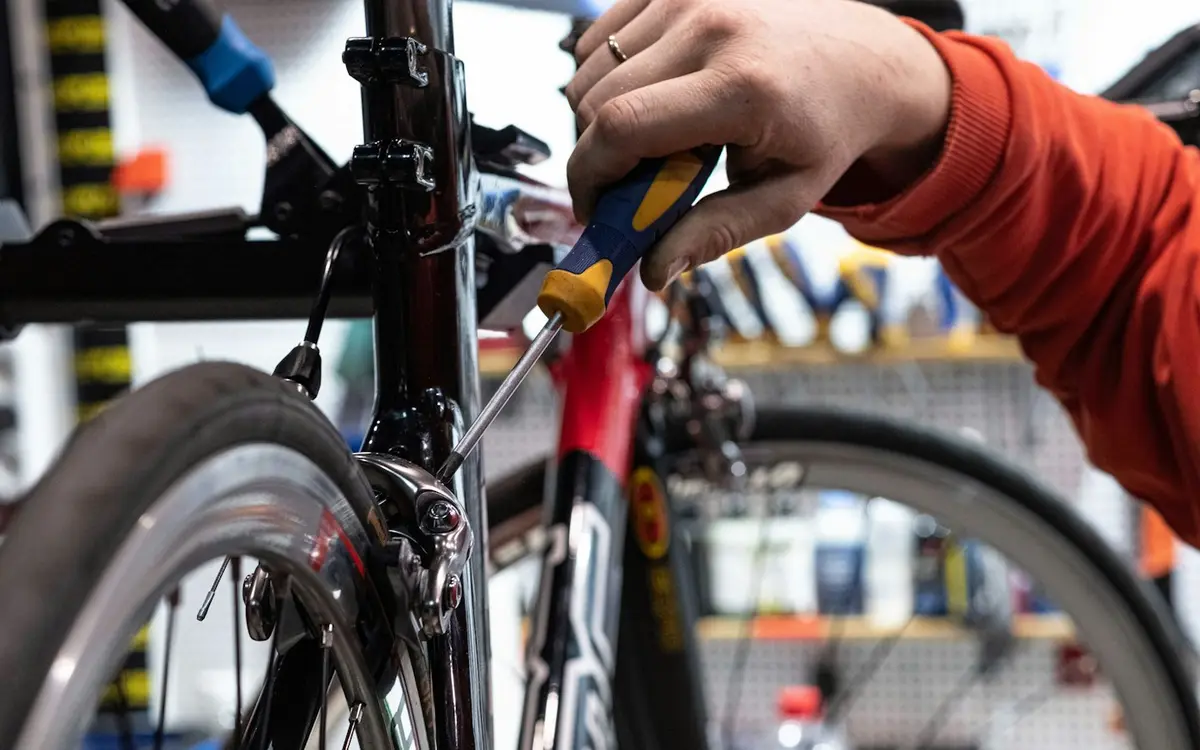
It happens to everyone eventually: a hiss, a sudden squirrelly feeling like you're riding on sand, and you realize you've flatted. Riders who've never learned to change a tube experience it as a small crisis; riders who know how treat it as a five-minute stop and get straight back to riding.
What to carry with you, always
The minimum kit takes up almost no space and should always live in a saddle bag: two tire levers, a spare tube of the right size (or a patch kit), and a way to inflate -- either a mini pump or CO2 cartridges with an inflator head. Carry two spare tubes rather than one, especially on long rides: flatting twice in the same day happens more often than you'd expect.
The step-by-step process
Remove the wheel, fully deflate whatever's left in the old tube, and use the levers to lift one side of the tire off the rim, avoiding anything sharp that could puncture the new tube. Pull out the flat tube, then run your fingers carefully around the inside of the tire feeling for whatever caused the flat -- often a shard of glass or a thorn -- and remove it before remounting, or you'll flat again within minutes.
Fitting the new tube without pinching it
Inflate the new tube slightly before installing it, just enough to give it shape -- that helps you seat it without folds. Insert it starting at the valve, then work the tire back onto the rim with your thumbs, avoiding levers if you can, since levers at this stage are the number one cause of a fresh flat from pinching the tube between the bead and the rim.
The most common mistake: inflating without checking
Before inflating fully, spin the wheel once and check that the tube isn't bulging out anywhere and that the tire is properly seated all the way around. Inflate to half pressure, check again visually, and only then bring it up to full pressure -- inflating all at once without this check is the most common cause of a sudden blowout a few minutes after getting back on the road.
The bottom line
Changing a tube is a skill you can learn in ten calm minutes in your garage, and it pays off for years. Do a practice run before your first long ride: the difference between doing it for the first time on the roadside, maybe in the rain, and doing it confidently is enormous.
Recommended products
Bike puncture repair kit: keep one in your saddle bag so a flat never leaves you stranded.
Spare inner tubes: having the right size for your bike avoids unpleasant surprises mid-ride.
Tire levers: make it much easier to remove a tire without damaging the rim.
As an Amazon Associate, Velunite earns from qualifying purchases. Some links in this article are affiliate links: if you buy through them Velunite may earn a small commission at no extra cost to you.