Recovery After Running: What to Do in the 24-48 Hours After a Hard Effort
What happens to your muscles after a race or long run, and how to manage sleep, nutrition and active recovery over the following two days.
Free, in 1 minute: save routes, download the GPX and join group rides.
Sign up freeWritten by the editorial team at Velunite
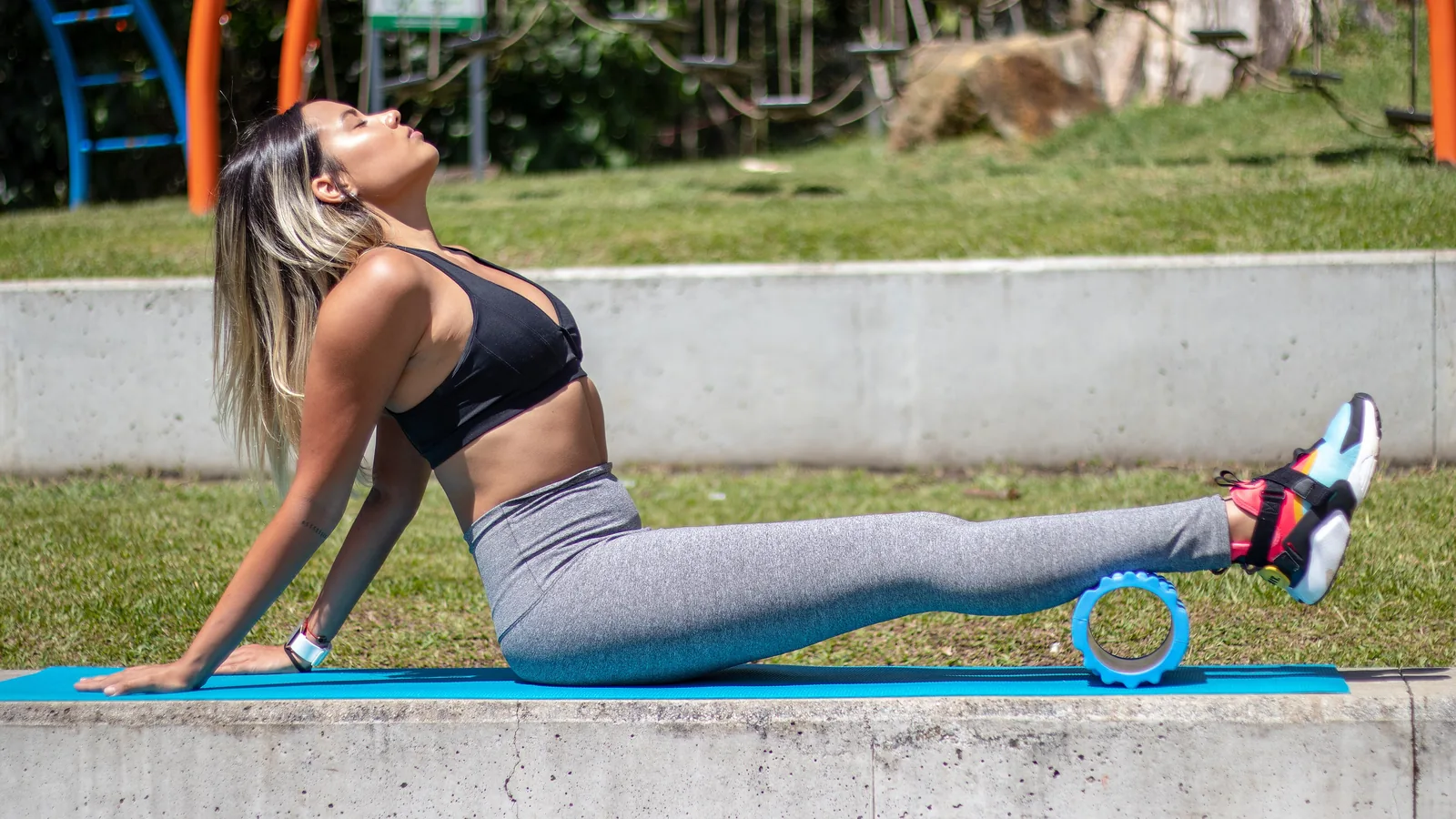
After a race or a long, hard training session, what you do in the following 24-48 hours matters almost as much as the session itself. The body needs time to repair micro-damage in the muscles, rebuild energy stores, and get ready for the next stimulus. Runners who skip this phase, or manage it poorly, often end up more tired, more sore, and more prone to injury in the weeks that follow.
What happens to your muscles after a hard effort
During a demanding run, especially one with lots of downhill or long distance, muscle fibres suffer micro-damage that causes delayed onset muscle soreness - what most people call DOMS, which tends to peak the day after. At the same time, glycogen stores in the muscles and liver get depleted, and you lose fluids and electrolytes through sweat. Recovery is essentially about rebuilding those three things: muscle tissue, energy, and hydration.
The first hours: what to do right after
In the first 30-60 minutes after exercise, the body is particularly receptive to refuelling: a meal or snack combining carbohydrates with some protein helps kick-start muscle repair and glycogen refilling. Drinking steadily, in small amounts spread over time, works better than gulping down a litre of water all at once. A few minutes of walking or light stretching, rather than stopping abruptly, helps circulation clear waste products from the effort faster.
The day after: active recovery or total rest?
There's no single answer that fits everyone. After a very hard effort or a long race, a full rest day is often the best choice. In many other cases, though, active recovery - a walk, an easy bike ride, a relaxed swim - improves circulation and speeds up the clearing of soreness better than complete rest does. The practical rule: if light movement doesn't make the soreness worse, it's probably helping; if it does make it worse, that's the sign to actually rest.
Sleep, nutrition and hydration over the following days
Sleep is probably the most underrated variable in recovery: it's during deep sleep that the body produces most of the hormones involved in tissue repair. In the days after a big effort, getting even an extra 30-60 minutes of sleep per night makes a measurable difference. On the nutrition side, keep eating regularly without cutting back, and keep hydration steady over the following two or three days to close the loop on recovery.
A 48-hour example after a race
A possible template after a half marathon or a gran fondo. Right after the finish: 10 minutes of walking, water in small sips, a snack with carbohydrates and protein within an hour. In the evening: a shower, a complete meal with carbohydrates, protein and vegetables, a little extra salt if you sweated a lot, and an early night. The next day: a 20-30 minute walk, a few minutes of light mobility and no hard session. The second day: if soreness is only general and improving, 20-30 very easy minutes of running or cycling; if not, another rest day. These are broad guidelines: listen to your body and adapt duration and intensity to your experience.
How to tell whether you are recovering well
Delayed onset muscle soreness is normal and usually starts to improve within 48-72 hours. It should be a diffuse, symmetrical ache that eases as you move. Talk to a doctor if you have a sharp, localized pain that worsens, obvious swelling in one leg, very dark urine after extreme effort, fever, or tiredness that does not pass after several days. This is not an exhaustive list and does not replace medical advice.
Mistakes to avoid
The most common is putting a quality session straight back in to shake off the race: the body needs time, and it is usually wise to wait at least 3-5 days after a half marathon and longer after a marathon. Other mistakes: skipping the meal after effort because you are not hungry, drinking only coffee or alcohol instead of fluids, and stopping suddenly and sitting for hours. For nutrition see our guide to what to eat after running, for mobility the mobility and stretching routine for runners and for restarting returning after a break.
Useful tools to speed up recovery
Beyond good habits, a few simple tools can help: a foam roller for self-massaging leg muscles is popular for easing muscle tension in the days after a hard effort, while compression socks worn in the hours after a race are considered useful by many runners for that lighter-legs feeling. None of these tools replace proper sleep and nutrition, but they can be a solid complement to a recovery routine.
As an Amazon Associate, Velunite earns from qualifying purchases. Some links in this article are affiliate links: if you buy through them Velunite may earn a small commission at no extra cost to you.
Attrezzatura consigliata
Affiliate links: if you buy through these links Velunite receives a small commission, at no extra cost to you.
More articles
Latest from the Journal
- Hinault and LeMond, 1986: betrayal or a team lesson?October 21, 2026
- Amsterdam, 2:03:33 in the rain, and a faster second halfOctober 21, 2026
- New York 2026: 50 years of five boroughs and three ItaliansOctober 20, 2026
- Sallanches 2027: the Domancy, twenty times, and Pogačar's planOctober 20, 2026