Where to run in Rome: the most beautiful routes between parks and history
The best places to run in Rome: Villa Pamphilj, Villa Borghese, Appia Antica and Lungotevere, with water, safety and gear tips.
In 1 minute: save routes, download the GPX and join group rides.
Sign upWritten by the editorial team at Velunite
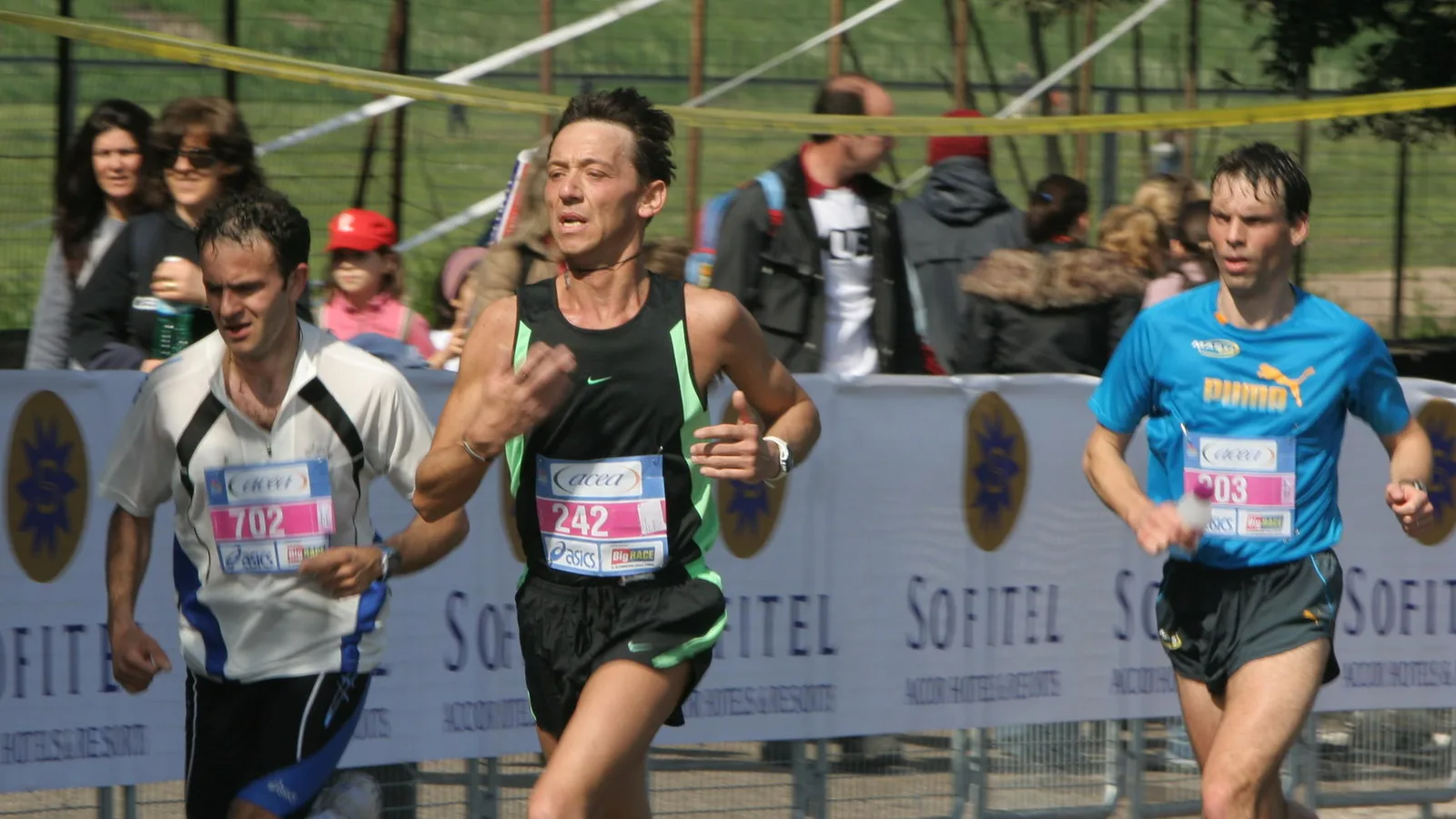
Rome is one of the most rewarding cities to run in: historic parks, riverbanks and ancient roads give you variety without ever leaving the city. If anything, the problem is choosing: each area has its own surface, character and best time of day. Here are the places where Romans actually run, and an idea of how to combine them across a week.
Villa Doria Pamphilj: the green lung
The largest park in Rome is a favorite of local runners: wide avenues, dirt sections, gentle ups and downs and the option to build loops from 3 to 10 km and beyond just by changing path at the junctions. The mix of surfaces (asphalt, gravel, packed grass) makes it ideal for easy and long runs, because your legs suffer less than on an all-city route. Early morning is the best time, when the park belongs to runners, grandparents and dogs. From here you can also climb toward the Janiculum to add some elevation. The Rome page on Velunite collects the city routes with map and GPX.
Villa Borghese, the Pincio and the historic center
Villa Borghese is the place for quality sessions: flat, shaded avenues above Piazza del Popolo, enough for tempo runs and 400-1000 m repeats without stopping at traffic lights. It is busy, so at peak times watch for pedestrians and rental bikes. For a scenic long run, link it with the Lungotevere heading down to Ponte Milvio: out and back it makes a 15-20 km outing with very few crossings.
Appia Antica: running through history
The Appia Antica regional park is closed to traffic on Sundays and public holidays, and gives you long straight stretches on the original basalt paving. To be honest, it is hard and uneven underfoot, so cushioned shoes and attention to your ankles are needed, especially late in the evening or after rain. In summer go early, because shade is scarce. Not far away is the Parco degli Acquedotti, with Roman arches and dirt trails that make a gentler variation for your joints.
Lungotevere and Foro Italico
The Tiber embankments offer a continuous path popular at lunch break and after work. Some lower quays can only be reached by stairs or ramps and may be closed after heavy rain when the river rises: if you do not know the stretch, check the map first or ask in the group. The Foro Italico area adds the Stadio dei Marmi loop and the riverside parks toward Ponte Milvio, handy for three or four laps without leaving the green.
Colosseum, Circus Maximus and Baths of Caracalla at dawn
If you have a free hour at sunrise you can run an iconic loop: from the Colosseum past the Forums, then the Circus Maximus and the Baths of Caracalla. It is not a serious training route (sidewalks, crossings, tourists), but it is a great way to see the city on foot when you travel for work or for a weekend. In summer, before eight o'clock it is also the only reasonable time.
Using Rome in a typical week
A concrete example for someone running three times: an easy 8 km on Tuesday in Villa Pamphilj, a session on Thursday in Villa Borghese (warm-up, 5 x 800 m with 2 minutes recovery, cool-down), and a Sunday long run on the Appia Antica at easy pace, or on the Lungotevere if the paving bothers you. If you are preparing for a race, size your paces with the running pace calculator and read how to handle the closing weeks in our Rome Marathon guide on the blog. Race dates in the city are in the 2027 calendar: the Run Rome The Marathon is set for 14 March.
Heat, water and safety
From June to September it is better to run before eight in the morning or after sunset; the shoulder seasons, October to May, are the best period. Rome has nasoni, the public drinking fountains, in many parks and along the streets: you rarely need to carry water for runs up to an hour, but for long summer runs a light vest or belt is worth it. In the evening prefer busy, lit areas like Villa Borghese and the central Lungotevere, and use a headlamp or reflective gear: more in our guide to running in the dark. Parks have opening and closing hours: check them before you leave.
Shoes: what matters in Rome
Between basalt paving, dirt and asphalt, a cushioned and stable shoe is the safest choice for most outings. To get oriented, read how to choose the right running shoes and the guide to cushioned running shoes.
Recommended gear
Cushioned running shoes: useful on the hard paving of Appia Antica and the dirt of Pamphilj.
Lightweight running vest: handy for long summer runs between fountains.
As an Amazon Associate, Velunite earns from qualifying purchases. Some links in this article are affiliate links: if you buy through them Velunite may earn a small commission at no extra cost to you.
Attrezzatura consigliata
Affiliate links: if you buy through these links Velunite receives a small commission, at no extra cost to you.
More articles
Latest from the Journal
- Tour Femmes 2027: team time trial in London, Puy de Dôme finaleOctober 30, 2026
- New York on Sunday: no Hassan, and Almgren's marathon debutOctober 30, 2026
- TotalEnergies leaves Cube for Pardus: Chinese bikes in the pelotonOctober 28, 2026
- Rome Marathon 2027: 137 days to go, should you sign up now?October 28, 2026