Running at Night Safely: Lights, Reflective Gear, and Habits That Matter
How to run safely in the dark: headlamps, reflective vests, route choice, and habits that help cars and cyclists actually see you.
Free, in 1 minute: save routes, download the GPX and join group rides.
Sign up freeWritten by the editorial team at Velunite
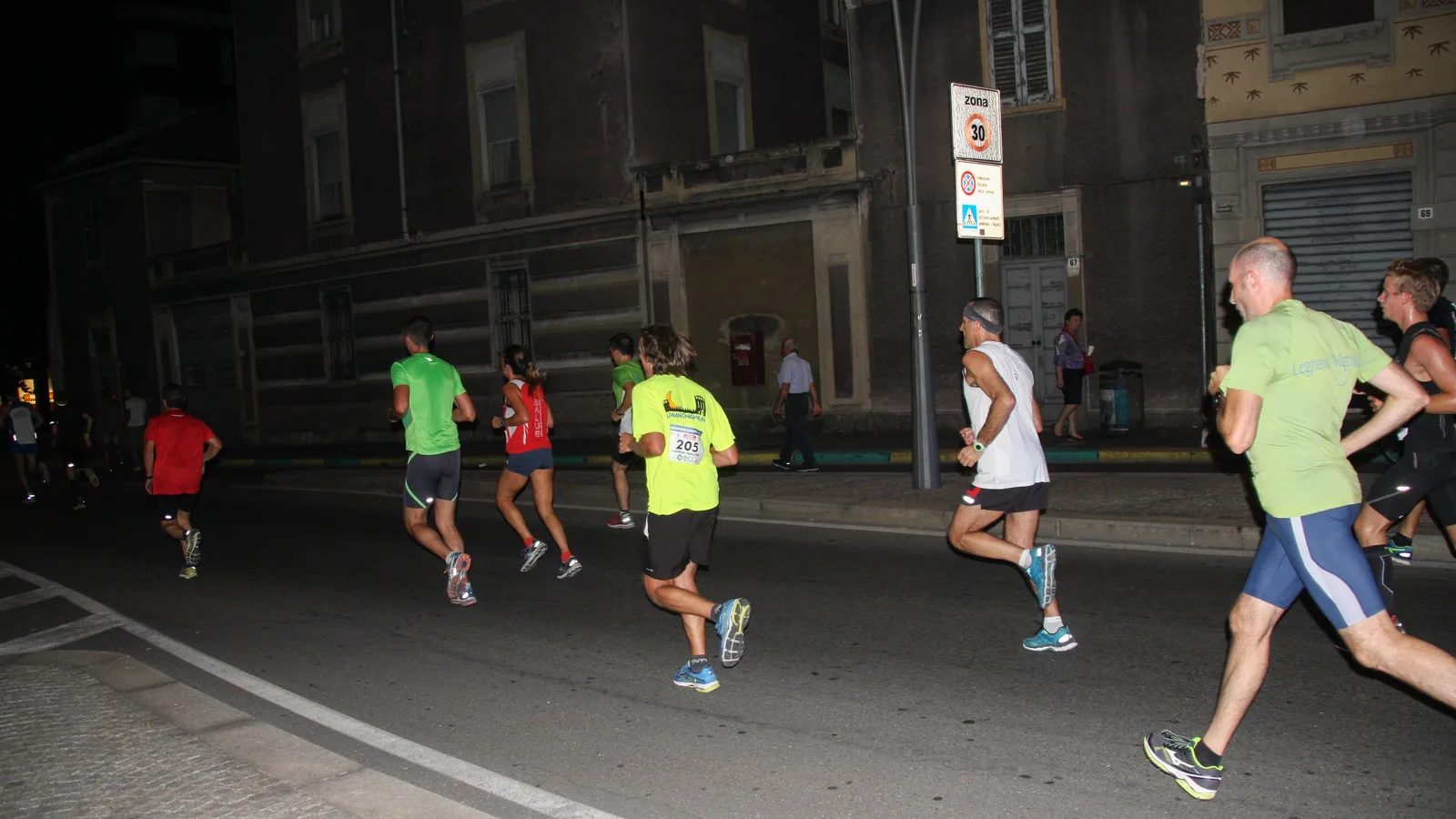
As autumn days get shorter, evening becomes the only training window for many runners, often in the dark or near-dark. Running at night isn't a problem in itself, but it calls for a bit more care than a daytime run: mutual visibility with cars and cyclists, route choice, and a few simple habits make the difference between a relaxed run and an avoidable risk.
The real issue isn't seeing — it's being seen
Many runners think of nighttime safety mainly as 'seeing where I'm stepping', but the bigger risk is the opposite: being spotted in time by a driver or cyclist. A driver moving at 50 km/h has only a few seconds to react to a dark shape emerging from the night. That's why visibility, not lighting your own path, should be priority number one.
Reflective gear: where it actually matters
Reflective elements work best when they're moving, since motion catches peripheral attention far more than a static surface. That's why reflective bands on wrists and ankles, which swing with every stride, are often more effective than a plain vest sitting still on the torso. The best approach combines a reflective vest or sash on the torso with elements on the parts of the body that move the most.
Headlamps and running lights: when you actually need them
An LED headlamp becomes genuinely useful on unlit routes — parks, dirt paths, or riverbanks — where the real issue is spotting potholes, roots, or uneven ground. On well-lit city streets, a small clip-on blinking light on the back or arm, meant more to get you noticed than to light your way, is often the more practical and less intrusive choice.
Choosing the right route
Even before gear, route choice has a big impact on safety. Favor streets with sidewalks or a wide shoulder, avoid unlit roads with fast traffic, and when possible run facing oncoming traffic so you can see what's coming and react. Letting someone know your route and expected return time remains good practice, especially when running alone.
A natural link to gear
Runners who train in the dark regularly tend to end up investing in a small dedicated kit: a lightweight headlamp, a pair of reflective bands, and a blinking rear light are inexpensive purchases that stay useful through the whole cold season, not just for one occasional run.
What to wear by season
At night the temperature drops compared with the day: in autumn and winter dress in layers and choose a light or fluorescent outer layer with reflective inserts, because black is almost invisible outside street lamps. Remember that reflective material only works when hit by headlights: fluorescent colors help at dusk, reflective details in full dark. Thin gloves and an ear band make a difference after sunset. For the rest of your kit read our guide to running clothing for autumn and winter.
Running in a group in the evening
Running in a group in the evening is safer and more motivating: a group can be seen from farther away and, if something goes wrong, someone can help. In a group it is better to run in single file, especially on roads without a sidewalk. In general, outside built-up areas pedestrians keep to the left side of the road, that is facing oncoming traffic. On Velunite you can find and create group runs, evening ones too, with shared routes and times.
Check your light before heading out
Before leaving, check the headlamp battery, which drains faster in winter, and carry a spare light if you head out for more than an hour. Set the right mode: more light on dirt and parks, less in town. For headlamps, lumens and mounting read our dedicated guide to running in the dark with headlamps. Headphones deserve a note of their own: for safer options see our guide to running headphones.
Recommended products
LED running headlamp: useful on unlit routes, dirt paths, or dark parks.
Reflective running vest: boosts visibility on the torso, the widest and most visible area from a distance.
Clip-on LED running light: small and blinking, designed to get you noticed rather than light your path.
As an Amazon Associate, Velunite earns from qualifying purchases. Some links in this article are affiliate links: if you buy through them Velunite may earn a small commission at no extra cost to you.
Attrezzatura consigliata
Affiliate links: if you buy through these links Velunite receives a small commission, at no extra cost to you.
More articles
Latest from the Journal
- Hinault and LeMond, 1986: betrayal or a team lesson?October 21, 2026
- Amsterdam, 2:03:33 in the rain, and a faster second halfOctober 21, 2026
- New York 2026: 50 years of five boroughs and three ItaliansOctober 20, 2026
- Sallanches 2027: the Domancy, twenty times, and Pogačar's planOctober 20, 2026