Layering Up: How to Ride Through Cold Weather Without Freezing
How to dress for autumn and winter rides: the three-layer rule, keeping your extremities warm, and the most common cold-weather mistakes.
Written by the editorial team at Velunite
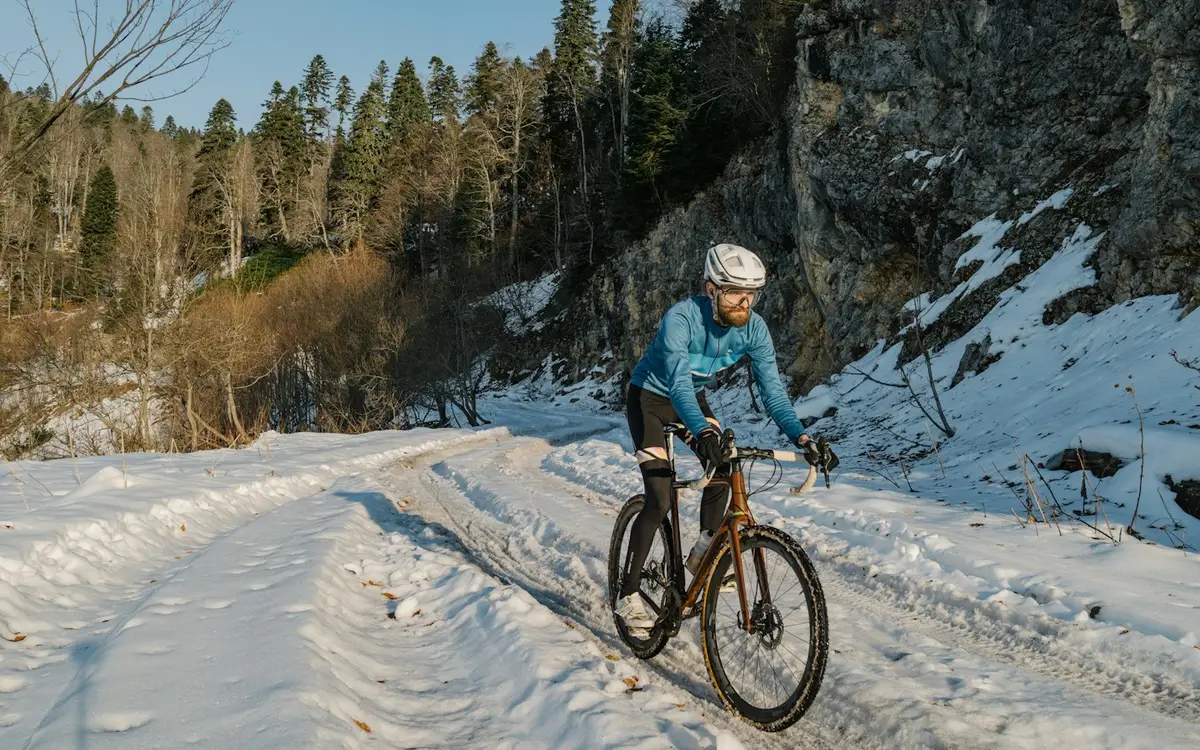
As the days get shorter and colder, plenty of riders either stop going out or suffer needlessly in the cold — usually for one simple reason: they're not dressed right. Get the layering right, though, and you can keep riding comfortably down to near-freezing temperatures without giving up any of the fun.
The three-layer rule
The most effective system for cold weather is three layers. The base layer, against your skin, should be breathable and snug, pulling sweat away from your body. The mid layer provides insulation and traps warm air — a light thermal jersey covers most conditions. The outer layer blocks wind and moisture: a wind vest or jacket completely changes how cold you feel, especially on descents.
Start out a little cold
The most common mistake is overdressing before you even clip in. Your body warms up fast in the first ten minutes of riding — if you already feel warm at the start, you'll be sweating heavily within half an hour, and sweat cooling on your skin is the number one cause of actually feeling cold mid-ride. The right feeling at the start is slightly chilly, not cozy.
Your extremities are the real problem
Hands, feet, and head lose heat far faster than the rest of your body, and they're usually the actual weak point for riders who complain about being cold. Padded winter gloves, thermal shoe covers, and a light skullcap or headband under your helmet make a bigger difference than piling on another layer over your torso.
Technical fabrics, never cotton
Cotton soaks up sweat and holds it against your skin, cooling down and taking your body heat with it — keep it out of every layer that touches your skin. Synthetic technical fabrics or merino wool manage moisture far better, keeping you warm even when they're slightly damp.
Don't forget visibility
Shorter days often mean riding at dawn or dusk in low light. Reflective details on your kit and front and rear lights aren't a seasonal nice-to-have — they're as essential a piece of winter gear as your gloves.
Dressing well for the cold is a skill you build ride by ride, learning how your own body reacts to low temperatures. A few well-chosen technical pieces mean you can keep training all year round, instead of letting the season end just because the temperature drops.
Recommended products
The outer layer must stop wind and rain: a winter windproof waterproof cycling jacket is the investment that decides whether you ride or stay home.
Underneath, a technical thermal cycling base layer keeps you warm without sweating, unlike cotton you should always avoid.
Hands suffer first: windproof winter bike gloves with grippy palms save cold descents.
Feet freeze before everything else: waterproof thermal bike shoe covers make the difference below 5 degrees.
An exposed neck and ears ruin everything: a multifunction thermal neck gaiter adapts to helmet and jacket in any conditions.
As an Amazon Associate, Velunite earns from qualifying purchases. Some links in this article are affiliate links: if you buy through them Velunite may earn a small commission at no extra cost to you.