Headphones for Running: Bone Conduction or Earbuds, How to Choose
True wireless earbuds or bone conduction headphones for running: pros, cons, and what to check before buying, with safety in mind.
Free, in 1 minute: save routes, download the GPX and join group rides.
Sign up freeWritten by the editorial team at Velunite
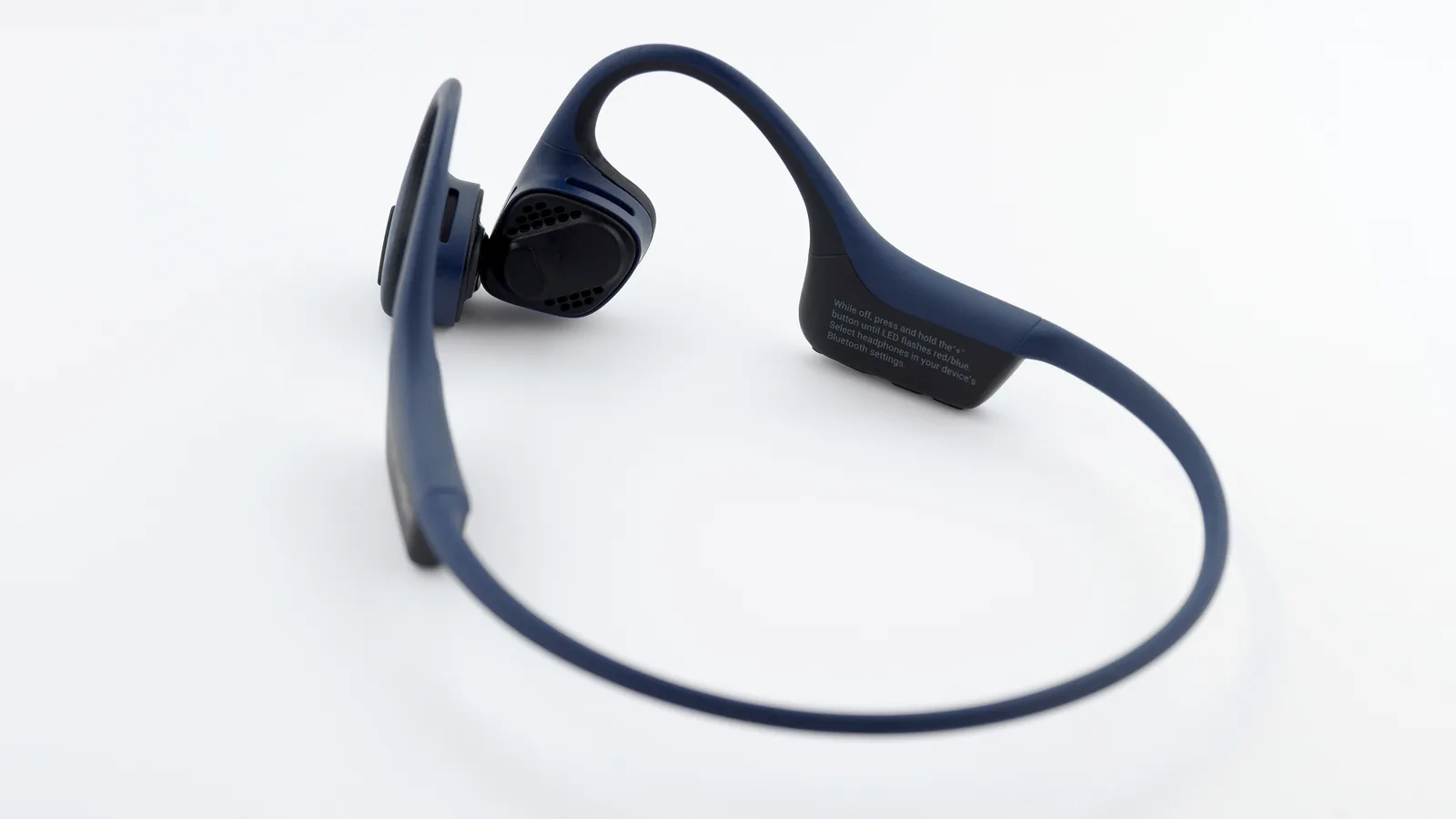
Runners keep asking themselves the same question: do headphones help motivation, or do they distract too much from what's happening around you? The honest answer is that it depends on the type of headphones and where you run. In recent years, gear designed specifically for outdoor training has solved the main problem with classic headphones: blocking out too much of the outside world, traffic included.
Why your choice of headphones matters more than you'd think
It's not just about sound quality. For road or city runners, safety comes first: not hearing an approaching car or cyclist is a real risk. For those training on a track or treadmill, the main issue instead is stability - headphones that slip or fall out with every stride ruin a session more than you'd expect.
True wireless earbuds: pros and cons for runners
True wireless earbuds offer the best sound quality and, in models built for sport, wings or fins that improve in-ear stability. The main limitation is isolation: they block outside noise well, which is a plus at the gym but a risk on a road open to traffic. Many recent models include a 'transparency' or 'ambient' mode that lets outside sound through - if you run on roads often, that's a feature worth checking for before buying.
Bone conduction headphones: what's different
Bone conduction headphones don't sit inside the ear canal at all: they transmit sound through the bones of the skull, leaving the ear completely free to pick up on your surroundings. The upside is near-total awareness of traffic and ambient noise; the trade-off is slightly lower audio quality, especially in the bass, compared to a good in-ear model. For road, city, or night running, it's often the more sensible choice, even though it usually costs more.
What to check before buying
Before choosing, it's worth checking: sweat and water resistance, with IPX4 or higher close to a must; real-world playback battery life rather than the marketing figure, which is often inflated; the fit system - wings, a headband, or a clip; and, if you run on roads, whether there's a mode that lets outside sound through. Price alone isn't a reliable indicator - plenty of affordable models with the right features outperform expensive ones designed for other uses.
What the Highway Code says
For people running on foot listening is not forbidden, but keep the volume low and use the mode that lets outside sounds through. On a bike it is different: the Italian Highway Code forbids drivers from using sound headphones while moving, and this also applies to cyclists. If you ride, skip headphones or consider a small speaker at low volume; in any case check the current rule before deciding.
Battery life, comfort and calls
Many earbuds and headphones claim indicative battery lives between 6 and 10 hours of listening: check the real figure in reviews, because at high volume and with noise cancellation on, duration drops. For calls, wind is the enemy: the best microphones have noise-reduction systems, but quality while running stays limited. For comfort, try different tip sizes or band styles: after an hour a model that hurts your ear or skull becomes unbearable.
A test to do before heading out
Test the headphones at home, bouncing on the spot and shaking your head: if they move or fall out, they will not survive a run. Then do a short 10-15 minute test at your usual volume, and check two things: how much of the surroundings you can hear and whether pressure on the ear or temples bothers you. Keep the volume around half: besides the risk to your hearing, high volume covers sounds you should be hearing.
Alternatives: one ear, a speaker, silence
If you do not want to give up listening but want to stay alert, you can use a single earbud, a small speaker clipped to your belt or vest, or choose podcasts at low volume on quiet stretches and silence in busy spots. For running safely in the evening also read our guide to running in the dark.
Recommended products
For runners who want to stay safer on the road, bone conduction sport headphones are among the most popular picks for regular outdoor running.
Among true wireless earbuds, those with ear wings and an IPX sport rating offer the best balance of sound and stability.
If you'd rather keep things minimal, open-ear wireless headphones for running leave the ear canal free without fully giving up on sound quality.
An adjustable headband or clip made for running can help secure almost any pair of headphones during a run - look among sport headphone accessories.
If you'd rather shop at a general retailer, it's worth checking the running electronics section at Cisalfa Sport too.
As an Amazon Associate, Velunite earns from qualifying purchases. Some links in this article are affiliate links: if you buy through them Velunite may earn a small commission at no extra cost to you.
Attrezzatura consigliata
Affiliate links: if you buy through these links Velunite receives a small commission, at no extra cost to you.
More articles
Latest from the Journal
- Hinault and LeMond, 1986: betrayal or a team lesson?October 21, 2026
- Amsterdam, 2:03:33 in the rain, and a faster second halfOctober 21, 2026
- New York 2026: 50 years of five boroughs and three ItaliansOctober 20, 2026
- Sallanches 2027: the Domancy, twenty times, and Pogačar's planOctober 20, 2026