Winter cycling gloves: lobster, full-finger or layered, how to choose
How to choose winter cycling gloves for autumn 2026: lobster-style, full-finger, liner gloves, and how to avoid cold hands on the bike.
Free, in 1 minute: save routes, download the GPX and join group rides.
Sign up freeWritten by the editorial team at Velunite
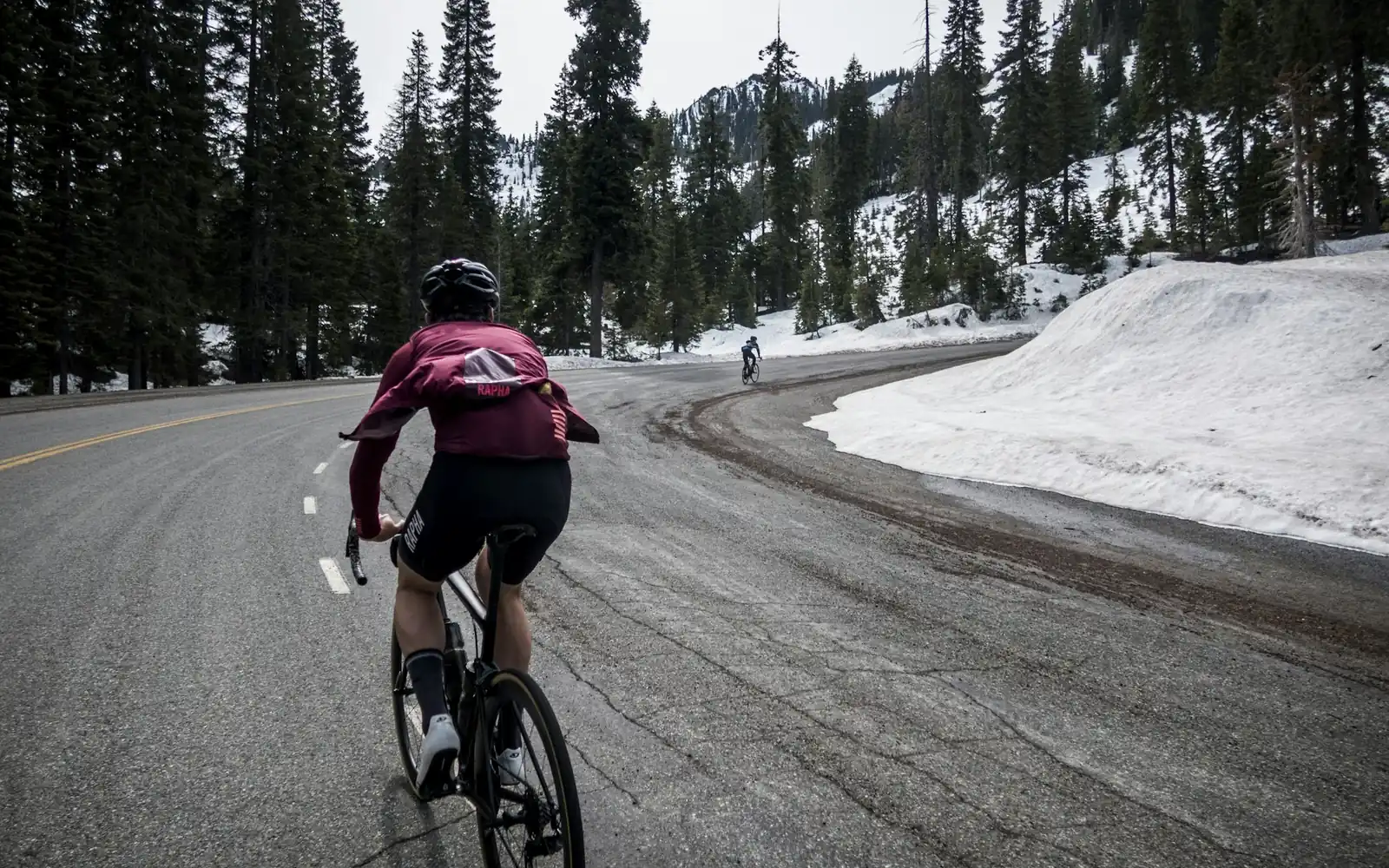
As temperatures drop, hands are often the first body part to suffer on a bike: they stay still on the handlebar, exposed to the wind created by your speed, and circulation drops more there than in legs that keep working as you pedal. Choosing the right glove for autumn and winter isn't just about comfort: cold hands mean less feel on brakes and gears, a safety issue before it's a matter of riding pleasure.
Full-finger gloves: the autumn baseline
For temperatures between roughly 5 and 15°C, a full-finger glove with light padding and a windproof back panel is the most versatile choice. Many mid-range models combine a synthetic, grippy palm for braking confidence with a breathable back, so your hand doesn't sweat on longer rides. This is the glove that covers most autumn days in Italy, from a cool morning to a milder afternoon.
Lobster gloves: a warmth-vs-feel compromise
Lobster-style gloves pair a separate thumb and index finger with the other three fingers grouped together, a bit like a partial mitten: the benefit is extra warmth, since the grouped fingers warm each other, while keeping the precision needed to operate brake and shift levers with the thumb and index finger. It's the most common choice for riding below roughly 5°C without giving up control entirely, which makes it popular among cyclists who ride through winter.
Layered gloves and liners
An alternative to lobster gloves for serious cold is pairing a thin silk or synthetic liner with a slightly roomier outer glove: layering lets you adjust warmth simply by adding or removing the liner, useful on rides where the temperature swings a lot between a dawn start and a mid-morning return. It does mean sizing the outer glove a touch larger to leave room for the liner without squeezing your hand.
Materials and water resistance
If you ride through autumn rain, a glove with a waterproof membrane or at least a water-repellent back panel makes a big difference: water getting into a wet glove cools your hand far faster than cold air alone. Touchscreen-compatible fingertips are a small but handy feature for using your phone or bike computer without taking the glove off.
Common mistakes to avoid
The first mistake is buying a glove that's too tight, assuming it should fit like a work glove: a thin layer of trapped air actually helps retain warmth. The second is underestimating wind: a thick but non-windproof glove lets through more cold than a thinner one with a windbreaking back panel. To round out your winter kit, our guide on layering for cold-weather cycling covers the rest of the body with the same logic.
Recommended products
A few useful starting points: winter lobster cycling gloves, windproof full-finger gloves, thin silk liner gloves, and touchscreen-compatible winter gloves for your phone and bike computer.
As an Amazon Associate, Velunite earns from qualifying purchases. Some links in this article are affiliate links: if you buy through them Velunite may earn a small commission at no extra cost to you.
Attrezzatura consigliata
Affiliate links: if you buy through these links Velunite receives a small commission, at no extra cost to you.
More articles
Latest from the Journal
- Hinault and LeMond, 1986: betrayal or a team lesson?October 21, 2026
- Amsterdam, 2:03:33 in the rain, and a faster second halfOctober 21, 2026
- New York 2026: 50 years of five boroughs and three ItaliansOctober 20, 2026
- Sallanches 2027: the Domancy, twenty times, and Pogačar's planOctober 20, 2026