Winter running shoes: waterproof or breathable? How to choose
A guide to choosing winter running shoes: the differences between waterproof and breathable models, and when each one makes more sense.
Free, in 1 minute: save routes, download the GPX and join group rides.
Sign up freeWritten by the editorial team at Velunite
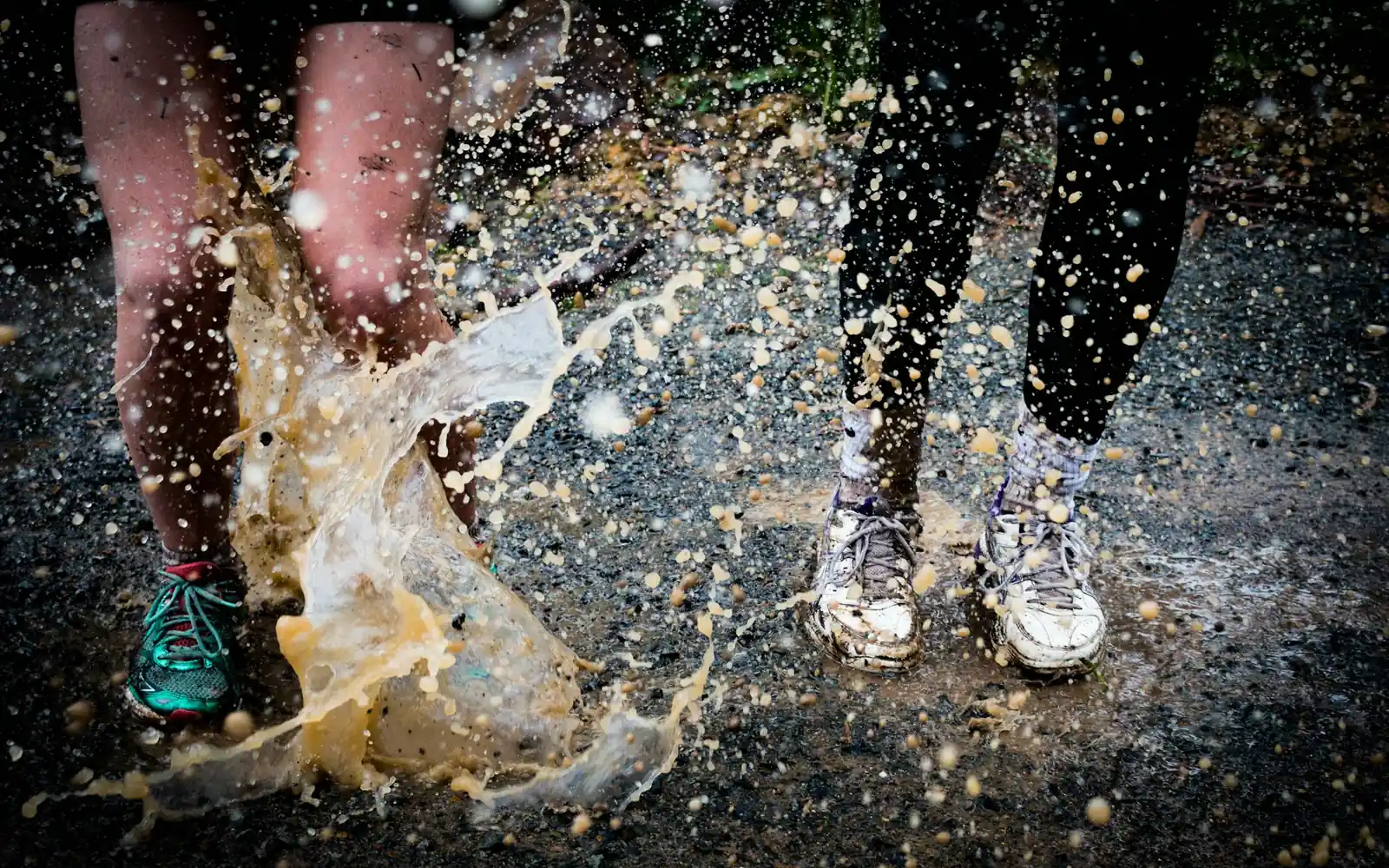
As days get shorter, colder and often rainier, one of the most common questions among runners who keep training outdoors all winter is whether it's worth investing in waterproof running shoes or whether regular, more breathable shoes are enough. The answer depends a lot on the kind of training you do and your local climate, more than on a single rule that works for everyone.
Waterproof shoes: pros and cons
Running shoes with a waterproof membrane (often based on Gore-Tex-type technology or proprietary brand membranes) keep out water and mud during runs in heavy rain, muddy trails or slush. The benefit is obvious in the first few kilometers: dry feet, less risk of blisters from friction with wet socks. The downside is that a waterproof membrane also reduces breathability: on long or intense runs, sweat can't escape well and your feet can still end up wet — this time from the inside. They also tend to be heavier and slightly stiffer than standard versions.
Breathable shoes: when to prefer them
A "regular" running shoe without a membrane gets wet faster in heavy rain or puddles, but it also dries much faster and lets your feet breathe better during effort. For runners training at sustained paces or doing long sessions, this can matter more than water resistance: a foot that sweats and can't breathe is often more uncomfortable in the long run than a wet foot that dries quickly once you're back inside.
How to decide based on your training
If you mostly run short to medium sessions (up to 40-50 minutes) in areas with frequent but not especially heavy rain, waterproof shoes are almost always the more comfortable choice: the limited duration of the run keeps overheating risk in check. If instead you do long runs, hard interval sessions, or you're training for a half or full marathon through winter, it's better to go for breathable shoes paired with technical socks that handle moisture well, and keep waterproof shoes for genuinely rainy days or for runners who mostly train on trails and dirt paths.
Other details worth checking
Besides the membrane, in winter the outsole also matters (a softer compound and a more aggressive tread pattern help on wet leaves and slippery tarmac), as does the upper: models with reflective inserts are useful for runners training in low light, a topic we covered in our guide on running safely at night. Either way, it's worth having two alternating pairs: a waterproof shoe for the worst days and a breathable one for your more intense sessions.
Recommended products
Among the most searched winter solutions: Gore-Tex waterproof running shoes for rainy days, technical anti-blister running socks to pair with breathable shoes, and waterproof shoe gaiters as a cheaper in-between option for runners who don't want to buy a dedicated pair right away.
As an Amazon Associate, Velunite earns from qualifying purchases. Some links in this article are affiliate links: if you buy through them Velunite may earn a small commission at no extra cost to you.
Attrezzatura consigliata
Affiliate links: if you buy through these links Velunite receives a small commission, at no extra cost to you.
More articles
Latest from the Journal
- Hinault and LeMond, 1986: betrayal or a team lesson?October 21, 2026
- Amsterdam, 2:03:33 in the rain, and a faster second halfOctober 21, 2026
- New York 2026: 50 years of five boroughs and three ItaliansOctober 20, 2026
- Sallanches 2027: the Domancy, twenty times, and Pogačar's planOctober 20, 2026