Knee Pain from Cycling: The Most Common Causes and How to Prevent It
Why your knee hurts after long rides: the most frequent causes, the warning signs to watch for, and how to prevent the problem.
Written by the editorial team at Velunite
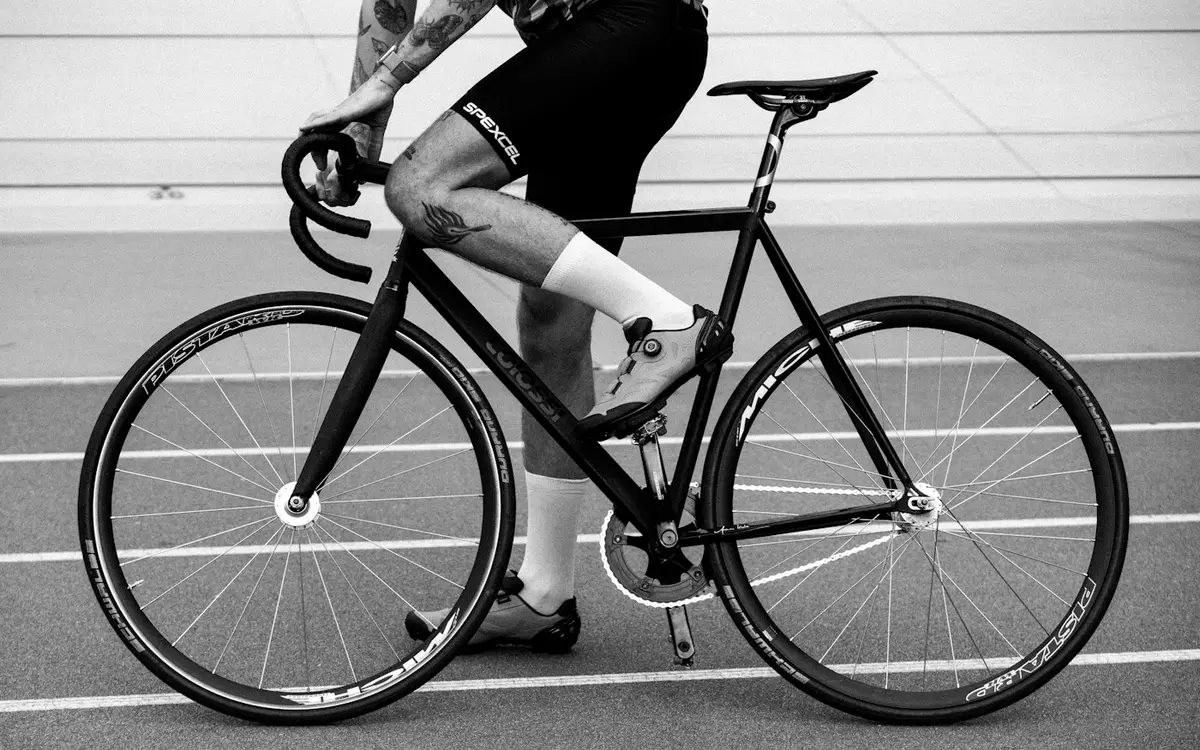
The knee is probably the most heavily loaded joint on a bike, and it's no coincidence that it's also the most common site of nagging discomfort among regular riders. The good news is that in most cases it isn't a serious structural problem, but an imbalance that's easy to fix once you find the cause.
Where it hurts tells you a lot
The exact location of the pain is your first clue. Discomfort at the front of the knee, near the kneecap, is often linked to pushing too heavy a gear for too long, or to a saddle set too low, which forces the knee to bend excessively on every pedal stroke. Pain on the outside of the knee is often tied to misalignment between foot, cleat and pedal, which pulls the knee off its natural line. Pain behind the knee, less common, is often linked to a saddle that's too high or too far back.
Bike fit matters more than gear
Many riders switch bikes or cranksets hoping to fix the problem, when the cause is almost always a setup issue: saddle height, cleat position, the distance from saddle to handlebar. Even a basic fit - done with just a tape measure and some patience - solves most cases. The basic rule is that with the pedal at its lowest point, the leg should stay slightly bent, neither locked straight nor overly flexed.
The role of training load
Even with a correct position, ramping up volume or intensity too quickly is a frequent cause of knee inflammation, because tendons adapt more slowly than muscles do. Increasing your weekly load gradually - no more than 10-15% over the previous week - is one of the most effective safeguards, even if it's less instantly satisfying than a quick saddle tweak.
What to do if the pain is already there
The first step is to temporarily reduce intensity, not stop riding altogether: light, pain-free movement often helps more than complete rest. Ice after activity, easier gears for a couple of weeks, and a check of your saddle position are the first sensible steps. If the pain lasts more than two weeks or gets worse, it's worth seeing a sports physiotherapist before going back to full training.
The takeaway
Knee pain from cycling is almost always a setup or load-progression issue, not bad luck. Checking your riding position, increasing volume gradually, and listening to early warning signs is the most effective way to keep riding without forced interruptions.
Recommended products
While easing back gradually, a sports knee brace for cycling supports and warms the joint without locking your pedal stroke.
Since position is often the cause, an anatomical bike saddle with cutout reduces pressure that ends up on the knee.
Cleats matter too: compatible replacement bike cleats worn unevenly change foot placement and swap in minutes.
To keep structures around the knee supple, a foam roller for quads and IT band used consistently does enormous work.
For acute post-ride pain, an instant ice spray for sports in the bag is the fastest first aid.
As an Amazon Associate, Velunite earns from qualifying purchases. Some links in this article are affiliate links: if you buy through them Velunite may earn a small commission at no extra cost to you.