Cycling Cadence: How Many RPM You Really Need and How to Train It
What riding at 80 or 95 RPM means, why cadence changes effort and speed, and how to find yours without obsessing over numbers.
Written by the editorial team at Velunite
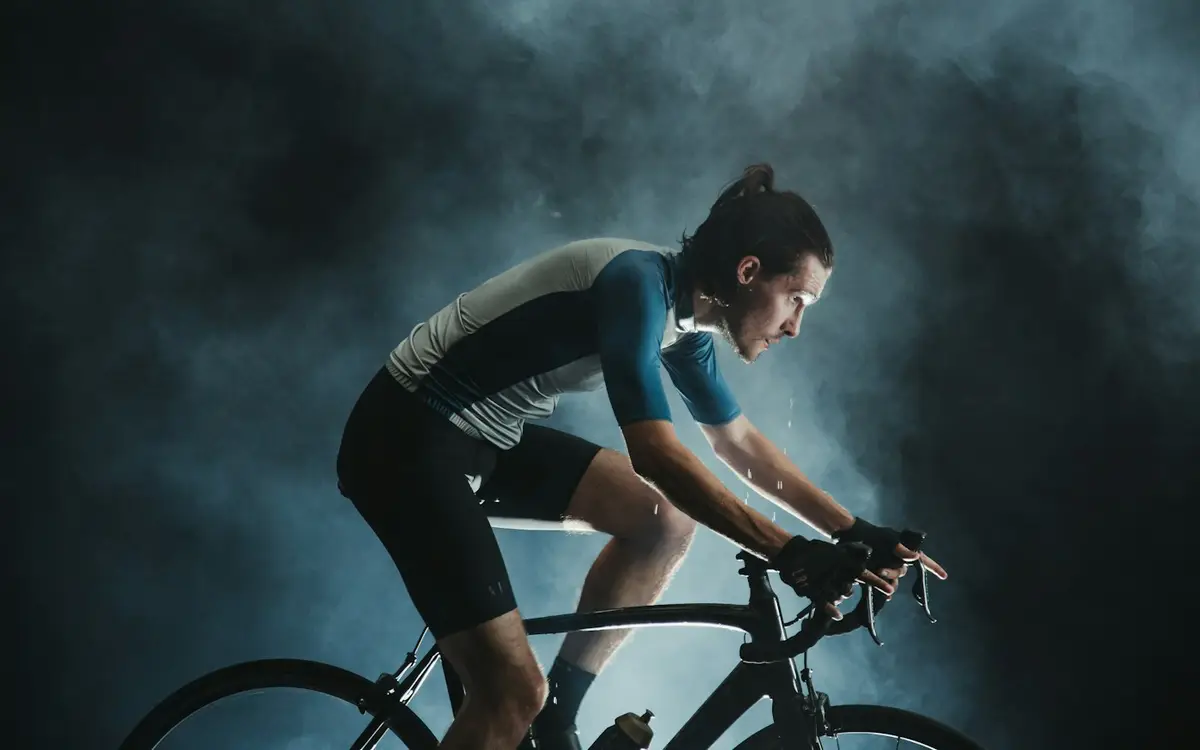
If you have ever ridden with someone more experienced, you will have noticed an obvious difference: while you push hard gears with slow strokes, they spin their legs fast on an easy gear and look effortless. That difference is called cadence - the number of full pedal revolutions per minute - and it matters more than it looks for going fast without destroying yourself.
What RPM is and why it matters
RPM (rounds per minute) measures how many full turns the pedals make in a minute. Most recreational riders sit between 60 and 75 RPM, often because they push gears that are too hard. Experienced riders stay between 80 and 95 RPM on flat roads: at the same speed, a higher cadence shifts the work from the muscles to the cardiovascular system, which recovers much faster. In practice, spinning faster leaves your legs fresher at the end of the ride.
Finding your cadence without obsessing
There is no magic number for everyone: build, muscle type and experience all matter. A good starting point is aiming for 85 RPM on the flat and accepting that it drops to 70-75 on climbs, which is normal. If you have no cadence sensor, count one leg's strokes for 15 seconds and multiply by four: doing it now and then on rides trains your perception faster than you would think.
How to train it in a few weeks
The simplest way is to add, on an easy ride, 5 one-minute reps at high cadence (100+ RPM) on an easy gear, with 2 easy minutes between. At first you will feel like bouncing on the saddle: that is the sign you also need to work on pedaling in smooth circles instead of just stomping down. After 3-4 weeks of this drill, your natural cadence rises on its own, without thinking about it.
In short
Cadence is not a number to chase out of vanity - it is the cheapest way to go faster with the same effort. Easier gears, faster legs, fresher muscles at the end: often that alone is enough to hold the wheel of the group that used to drop you.
Recommended products
To see RPM live instead of estimating by ear, a Bluetooth bike cadence sensor mounts on the crank arm in minutes.
Cadence, speed and heart rate together make sense on a GPS bike computer showing all data on one screen.
Spinning light gears also needs heart data: an accurate heart rate strap for cycling completes the picture for training cadence in the right zones.
A smooth drivetrain helps hold high RPM without jerks: a wax-based chain lube cuts friction and noise.
As an Amazon Associate, Velunite earns from qualifying purchases. Some links in this article are affiliate links: if you buy through them Velunite may earn a small commission at no extra cost to you.