Stelvio and Gavia by Bike: A Guide to Two Legendary Climbs
How to tackle the Stelvio Pass and Gavia Pass by bike: climb routes, elevation gain, the best time of year, and practical tips to arrive prepared.
Written by the editorial team at Velunite
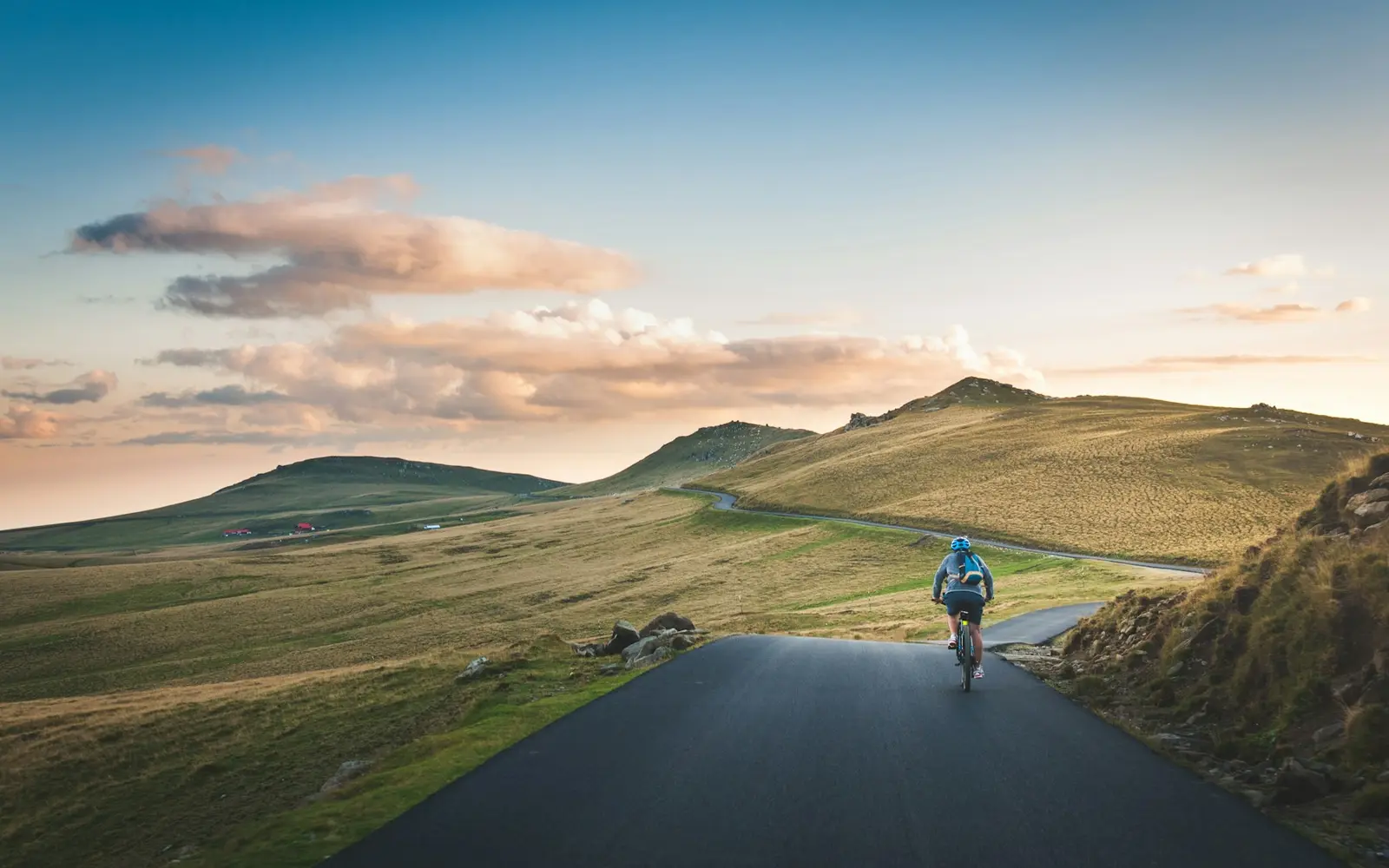
Stelvio and Gavia are two names every climbing-obsessed cyclist eventually wants to tackle in person. They're close geographically, often paired in the same weekend, but very different in character: Stelvio is the 'monument' climb, Gavia is wilder and far less crowded. Here's how to prepare for both.
Stelvio Pass: the numbers that matter
The side from Prato allo Stelvio is the most famous, roughly 24 kilometers with over 1800 meters of elevation gain, made iconic by the 48 numbered hairpins seen in every cycling magazine photo. Average gradient sits around 7.5%, with sections past 9% in the middle part. The Bormio side is shorter (about 21 km) but on average steeper, while the Santa Maria Val Müstair side, in Switzerland, sees the least cycle-tourist traffic.
Gavia Pass: fewer hairpins, more effort
Gavia, climbed from Ponte di Legno, measures about 17 km with 1350 meters of elevation gain and an average gradient around 8%, but with irregular sections exceeding 15% on a narrower, less protected road surface than Stelvio. It's the climb cycling history remembers for the snowy 1988 Giro d'Italia stage: even today, out of season, mountain weather can change rapidly.
When to go
Both passes are typically open to traffic from late May/early June through October, weather permitting: before and after that window, leftover snow at altitude can close the road even on sunny days in the valley. July and August remain the most reliable months, but also the most crowded with cars and motorbikes; whoever can choose should consider weekday rides in late June or early September for similar conditions with far less traffic.
How to prepare physically
You don't need to be a professional climber, but tackling over 1500 meters of elevation gain in a single climb requires a minimum of specific training in the preceding weeks, including long climbs even if shorter in elevation. Appropriate gearing, with easy ratios below 1:1, makes a huge difference in managing the effort compared to attempting the climb with too hard a gear ratio.
What to bring
At the altitude of Stelvio (2758 m) and Gavia (2618 m), summit temperature can be 10-15 degrees lower than in the valley, especially in the early morning: a light windproof gilet or a compressible jacket in your pack or rear pockets prevents a dangerous chill on the descent. Water and carbohydrate sources should be carried in larger quantities than usual, since refueling points along the climb aren't always reliable out of season.
One weekend, two climbs
Anyone staying around Bormio can tackle Stelvio and Gavia on two separate days, with an active recovery day between the two outings: attempting both climbs on the same day is a challenge reserved for riders with a solid base of long-elevation training. On Velunite you can save the elevation profile of both climbs before heading out, a practical way to know exactly where to expect the toughest sections.
Tackling Stelvio and Gavia isn't just about your legs: it's an experience worth savoring, enjoying the hairpins and the views rather than chasing the clock alone.
Recommended products
For gradients like the Stelvio and Gavia, many riders fit an easy-ratio 11-34 bike cassette, which makes even stretches over 10% manageable with lighter gears.
At altitude the weather turns fast even in August: a lightweight windproof cycling jacket fits in a pocket and saves the descent, when climb sweat turns cold.
For long technical descents you want comfort and grip: long-finger cycling gloves also protect you if you put a hand down in a hairpin.
Refills are not guaranteed between climbs: an insulated bike water bottle keeps water cool for hours under the alpine sun.
For two climbs in one weekend, on-bike fueling is mandatory: energy gels for cycling pack easily and go down without stopping.
As an Amazon Associate, Velunite earns from qualifying purchases. Some links in this article are affiliate links: if you buy through them Velunite may earn a small commission at no extra cost to you.