Cycling the Langhe: Climbs, Vineyards and Villages Worth Discovering
A cycling itinerary through the Langhe hills: routes, climbs and villages not to miss, plus tips for planning the weekend.
Free, in 1 minute: save routes, download the GPX and join group rides.
Sign up freeWritten by the editorial team at Velunite
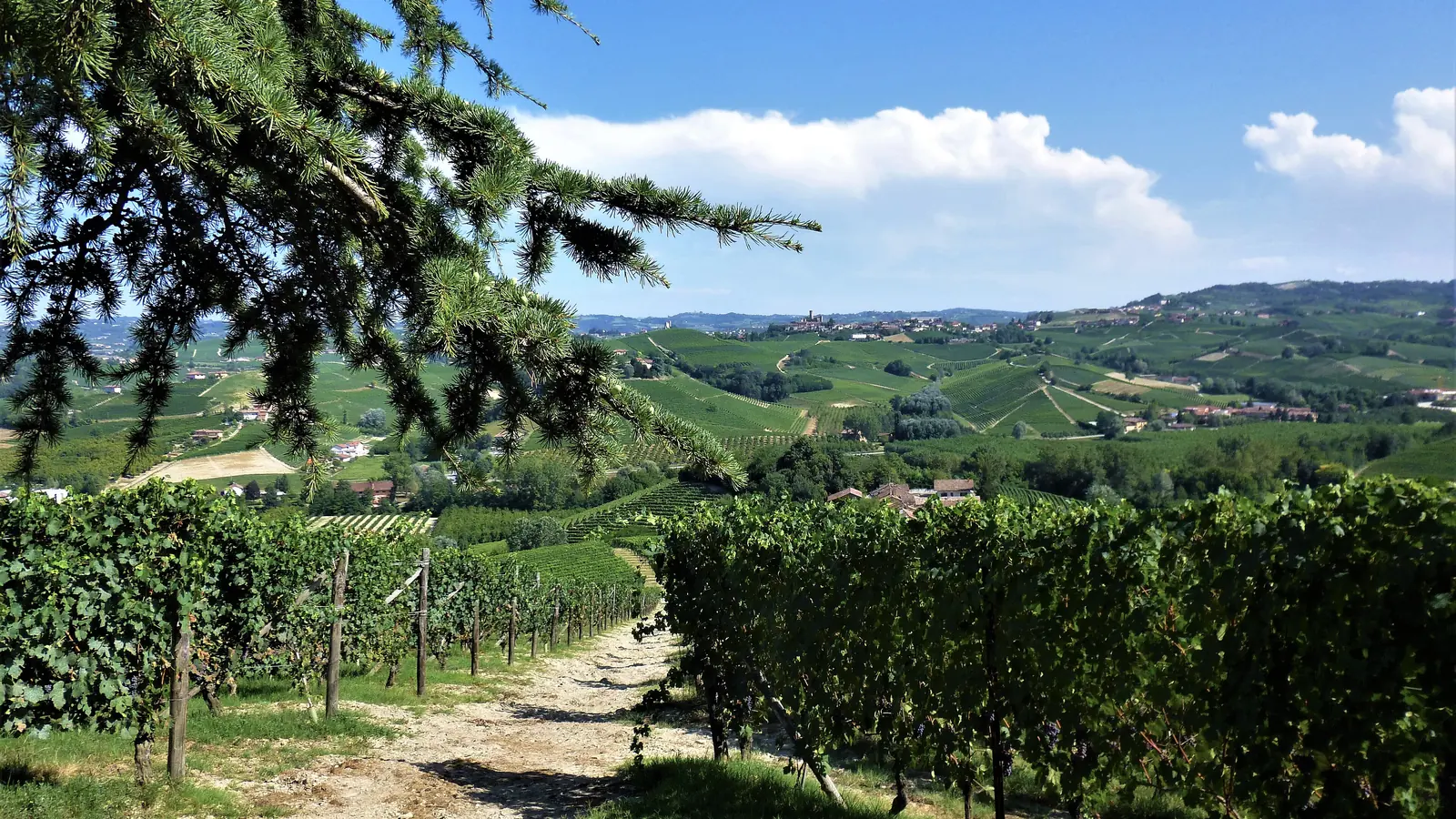
Between Piedmont and Liguria, the Langhe hills are one of the most beloved landscapes in Italy for cyclists: not particularly high but relentlessly rolling hills, neat rows of vineyards, stone villages that seem frozen in time, and back roads that are almost always free of traffic. It's a region that rewards riders who enjoy short, repeated climbs more than long alpine ascents, and it's at its best in autumn, when the vineyards turn yellow and red.
Why the Langhe are a paradise for cyclists
The appeal of riding the Langhe lies in its variety: a single ride mixes fast descents between vine rows, climbs that are short but never easy, and flatter stretches along the valley floors. Road surfaces are generally good, traffic is light away from the main roads, and the view changes every few kilometres. It suits both riders chasing a continuous-elevation workout and anyone who simply wants a cycle-touring weekend built around good food and postcard scenery.
Villages and routes not to miss
Barolo, La Morra, Monforte d'Alba and Neive are the classic landmarks: each is reached by a different climb and offers panoramic views over the surrounding hills. A much-loved loop connects Alba to La Morra via Barolo, with views of the Alps on clear days. Riders with stronger legs can extend toward Serralunga d'Alba and Castiglione Falletto, two quieter villages that are just as striking.
The climbs that hurt, but are worth it
No Langhe climb is as long as an alpine pass, but the irregular gradients and constant changes of rhythm make them harder than the elevation numbers suggest on paper. The climb to La Morra from Barolo, for example, is short but has sections close to 10%; the one toward Monforte alternates sharp ramps with short flat stretches. The practical tip is not to start too hard: in a region of short, repeated climbs, managing your rhythm matters more than maximum power on any single ramp.
When to go and how to plan the weekend
The best window is late September to early November, when temperatures are mild and the vineyards turn to autumn colours - it also coincides with the grape harvest and truffle season, a good excuse to extend the weekend. Many wineries and farmhouses in the area happily welcome cyclists, and several bike hotels offer rentals, mechanical support and ready-made GPX routes. Booking ahead, especially on October weekends, avoids unpleasant surprises.
An example loop from Alba
A classic ride starts in Alba and touches La Morra, Barolo and Monforte d'Alba, then returns via Neive: roughly 50 to 70 km depending on variations, with short, repeated climbs all along. There is no single official route, so always check the track on a map and adapt it to your legs: better to shorten than to find yourself halfway with empty legs. A ride like this fits in half a day, with a stop in the villages for a coffee and a photo.
Bike and gearing
A road bike with easy gearing or a fast gravel bike are the most sensible choices: ramps near 10 percent are better tackled with a 34 in front and a 28-32 sprocket at the back. If you also want to use the white roads among the vines, gravel tires give more grip and comfort. To choose between the two read our guide to road, gravel or MTB and check combinations with the gear ratio calculator.
What to eat and drink on the way
Fountains are not always found along the road, so leave with two bottles and something to eat, and refill in the villages. Wine tasting should be kept for the end of the ride, never halfway: alcohol and technical descents do not mix. To remember how to dose water and carbohydrates on long rides read hydration and fueling on long rides.
Autumn safety: harvest and fog
During the harvest the roads between the rows see tractors, trucks and sometimes mud or crushed grapes on the asphalt, which makes the surface slippery: slow down on bends and descents among the vineyards. In autumn morning fog is also frequent in the Langhe: use lights even in daytime and delay the start if visibility is poor. For details on lights see our guide to bike lights.
On these roads of constant climbs and descents, carrying a handlebar bike bag for tools and a bottle helps bring along what you need without a backpack.
As an Amazon Associate, Velunite earns from qualifying purchases. Some links in this article are affiliate links: if you buy through them Velunite may earn a small commission at no extra cost to you.
Attrezzatura consigliata
Affiliate links: if you buy through these links Velunite receives a small commission, at no extra cost to you.
More articles
Latest from the Journal
- Hinault and LeMond, 1986: betrayal or a team lesson?October 21, 2026
- Amsterdam, 2:03:33 in the rain, and a faster second halfOctober 21, 2026
- New York 2026: 50 years of five boroughs and three ItaliansOctober 20, 2026
- Sallanches 2027: the Domancy, twenty times, and Pogačar's planOctober 20, 2026