Your First Gran Fondo: How to Finish Strong Instead of Blowing Up
A practical guide to your first gran fondo: pacing strategy, on-bike fuelling, and the rookie mistakes that ruin a first long-distance ride.
Written by the editorial team at Velunite
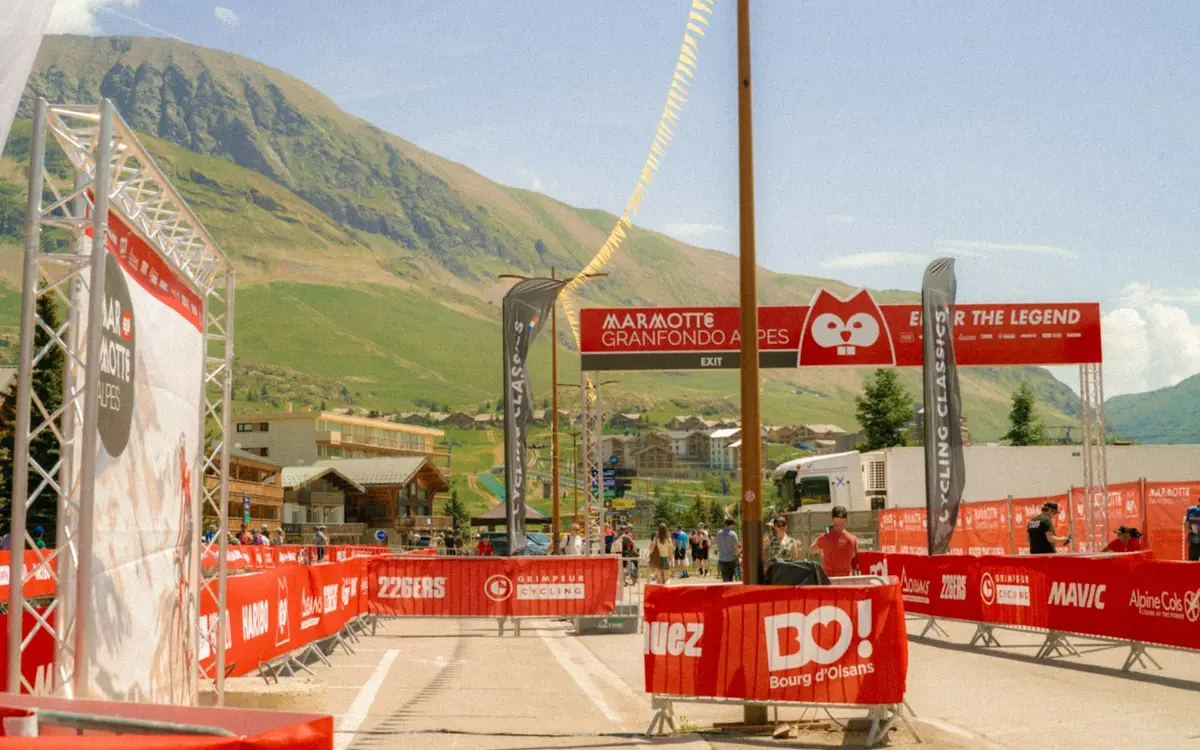
Signing up for your first gran fondo is exciting and a little terrifying at once: distance and elevation you've never tackled before, hundreds of riders around you, and start-line adrenaline pushing you to go out hard. A few simple habits are the difference between crossing the finish line with something left to enjoy and dragging yourself through the last miles.
Mistake number one: starting too hard
Start-line adrenaline, combined with the pull of the group, pushes almost every first-timer into a pace they could never hold on their own. The first twenty or thirty kilometers need a cool head — deliberately riding slower than your legs want to go. Every watt you save early comes back multiplied in the final stretch, exactly when you'll need it most.
Pacing by feel isn't enough
If you have a heart rate monitor or a power meter, set a ceiling you won't cross in the first hours. Without one, perceived effort still works: if you can't hold a full sentence in conversation, you're going too hard for a long event. On extended climbs, the goal is steady effort, not a surge followed by a crash.
Eat before you're hungry, drink before you're thirsty
Your fuelling plan should be decided before the start line, not improvised mid-ride. Taking in carbohydrates regularly, roughly every thirty to forty-five minutes, heads off what riders call "the bonk" — by the time you feel it coming, it's already too late, and recovering on the bike is far harder than preventing it in the first place.
Handling climbs and descents safely
On climbs, shift down before you're struggling, not after — forcing a shift under load is how chains skip and gears grind. On descents, especially in the crowded pack of a gran fondo, caution beats speed: keeping distance from the riders ahead and braking early into blind corners cuts the risk of a group crash dramatically.
The finish is won in the last kilometers
Riders who paced themselves well reach the final twenty kilometers with something in reserve, and that's exactly where the gap opens up against anyone who went out too hard. Holding back a mental margin, not just a physical one, helps you handle that last climb or headwind stretch with a clear head.
Your first gran fondo is worth experiencing rather than racing. The real goal isn't the number on the clock — it's crossing the finish line smiling, already wanting to sign up for the next one.
Picking your first gran fondo? Our 2027 gran fondo and marathon calendar lists dates, locations and official registration links for next season's main events.
Recommended products
To never walk home mid-course, a granfondo puncture kit with tube, levers and mini pump is the cheapest insurance.
Race-day fueling fits in a pocket: energy gels for long races and granfondos must be tested in training before the big day.
Two full bottles at the start calls for an insulated 750 ml bike bottle that keeps water cool in the hottest hours.
To manage pace and feed stops calmly, a GPS bike computer with navigation shows route, remaining climbing and times.
Over long distances, chafing is prevented with a protective chamois cream for cycling, used by almost every experienced granfondo rider.
As an Amazon Associate, Velunite earns from qualifying purchases. Some links in this article are affiliate links: if you buy through them Velunite may earn a small commission at no extra cost to you.