How to Choose the Right Saddle: The Comfort Guide Most Riders Skip
Why the most padded saddle isn't always the most comfortable, how to find your sit-bone width, and which mistakes to avoid.
Written by the editorial team at Velunite
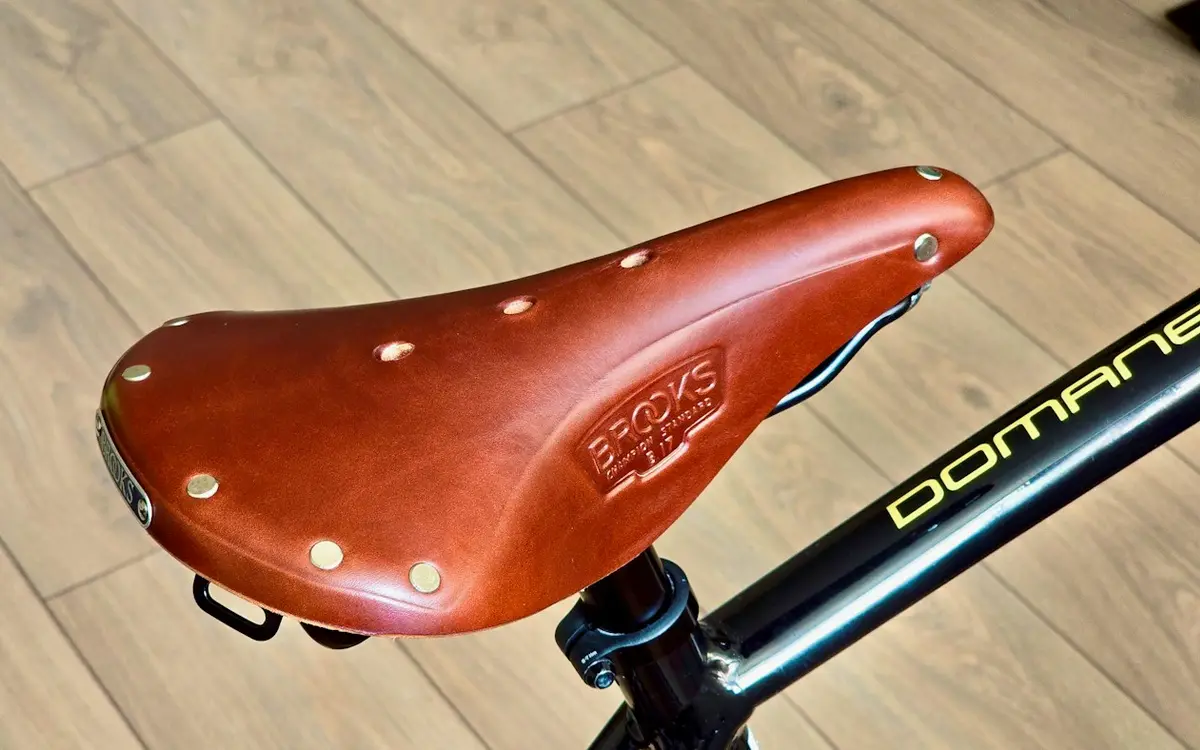
Saddle discomfort is probably the number one reason people give up on cycling after their first few rides. Yet in most cases, the fix isn't 'toughing it out' - it's simply having the wrong saddle for your body.
Why more padding doesn't mean more comfort
It's natural to assume a soft, heavily padded saddle is automatically more comfortable, but it's almost always the opposite. Excessive padding compresses unevenly under body weight, creating pressure in exactly the wrong spots and encouraging chafing. Saddles used by regular riders are often firmer than you'd expect, but shaped to spread weight across the sit bones instead of the soft tissue around them.
The measurement that actually matters: width
The most important factor in picking a saddle isn't the padding - it's the width, which needs to match the distance between your sit bones. Many bike shops offer a quick, free measurement using a simple pressure-sensitive pad; the result points you to the saddle width that fits, which is often different from whatever came stock on your bike. A saddle too narrow for your pelvis concentrates weight on soft tissue instead of bone, and it's one of the most common causes of discomfort, no matter how padded it is.
The center channel and your riding position
Many modern saddles have a central channel or cutout, designed to relieve pressure on soft tissue, especially in the more aggressive, forward-leaning position typical of road cycling. It's not just a design gimmick: for anyone spending many hours in the saddle with a tilted-forward torso, a well-designed channel makes a real difference, much bigger than it looks like it should.
Give it time to adapt, but not too much
A short adjustment period is normal when switching saddles - usually 2-3 rides. But if the discomfort doesn't improve, or gets worse, after two weeks of regular use, it isn't a matter of getting used to it: it's a sign that saddle, that width, or that angle isn't right for your body, and it's time to try a different one.
The takeaway
The right saddle starts with your sit-bone width, not looks or padding. A few minutes of measurement at a bike shop is worth more than any online review, and it can completely change how you experience your long rides.
Recommended products
Comfort bike saddle: a good starting point for anyone wanting more padding without giving up a shape suited to sportier riding.
Bike saddle with center channel: reduces pressure in the perineal area, useful for anyone experiencing numbness on long rides.
Tailor's measuring tape: useful for the at-home sit-bone measurement described in the article.
As an Amazon Associate, Velunite earns from qualifying purchases. Some links in this article are affiliate links: if you buy through them Velunite may earn a small commission at no extra cost to you.