Overshoes and winter gloves: hands and feet below 10 degrees
Below 10 degrees your hands and feet suffer first: overshoes, socks, gloves and hand warmers, how to choose and layer them without losing feel on the bike.
In 1 minute: save routes, download the GPX and join group rides.
Sign upWritten by the editorial team at Velunite
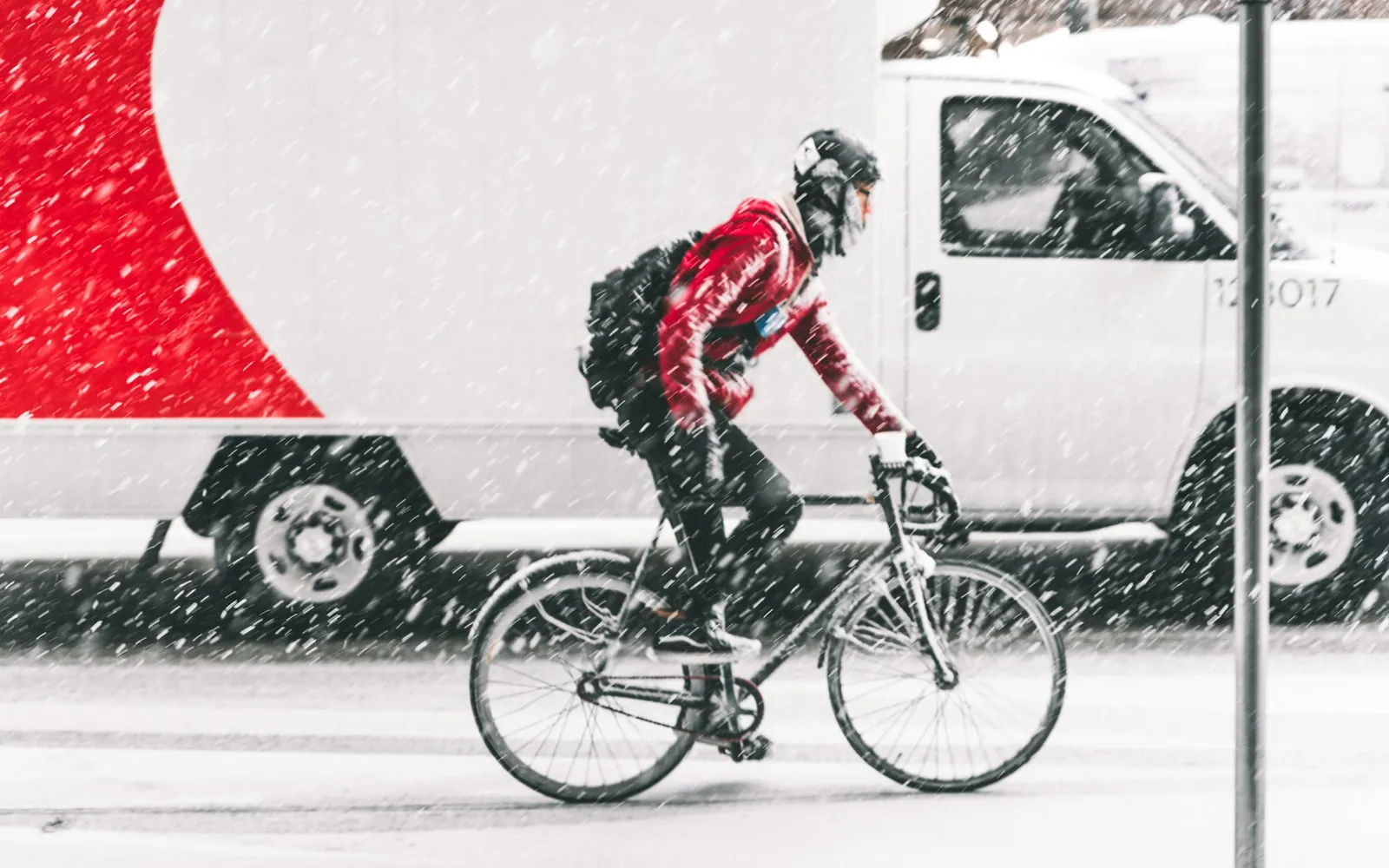
When the temperature drops below 10 degrees Celsius, the first parts of the body to complain are always the same: toes and fingers. They have little muscle, get less blood and are exposed to the wind created by your speed. You cover your torso with a jacket, but extremities are trickier, because every extra layer risks squeezing, limiting circulation or reducing feel on the controls. This guide pulls together the solutions cyclists use most to ride in winter without giving up the pleasure of it.
Why extremities get cold first
When the body senses cold, it redirects blood to vital organs and reduces peripheral flow. On a bike the effect is amplified by relative wind: at 30 km/h a temperature of 5 degrees feels far lower. Cycling shoes are also built to be light and ventilated, with vents and straps that let air in. The result is that the foot cools within half an hour. If you have already read the guide on layering up for cold weather, here we focus on the extremities.
Overshoes: neoprene, softshell or thermal
Overshoes are the simplest and most flexible fix. 2 to 3 mm neoprene ones are warmest in cold, damp conditions and also shield against light rain, but they breathe less and suit harsher temperatures. Softshell or windproof technical fabric versions are lighter, thinner and suited to cool days between 5 and 12 degrees. Check that they have a bottom opening for the cleat and enough height to cover the ankle. In continuous rain no overshoe stays truly dry, so think about reducing water entering from above. Before buying, check the size against your shoe size and closure type, because an overshoe that is too tight compresses and chills more. You can browse winter cycling overshoes and compare reviews and materials.
Socks, winter shoes and insoles
Socks make more difference than you would think. A merino wool or technical-fibre sock of medium thickness, combined with an overshoe, often suffices down to 5 or 6 degrees. Avoid layering two thick socks: they squeeze the foot, cut circulation and make things worse. If you ride a lot in winter, a winter cycling shoe with a thermal lining is a sensible investment, but go up half a size for the sock volume. An insulating insole and windproof liners under the tongue do the rest without costing much.
Gloves: length, thickness and feel
The same principle applies to hands: pick by temperature. Between 10 and 15 degrees, light long-finger gloves are enough; between 5 and 10, a padded windproof model; below 5, thermal winter gloves or two-compartment lobster gloves, which keep fingers together. Before heavy gloves, try a silk or technical liner. The risk of overly thick gloves is losing feel on the brake levers: always try them on the bike and check your fingers reach the controls without effort. To compare models, search for winter cycling gloves and pick the one that lets you brake and shift precisely.
Hand warmers, tricks and prevention
Disposable chemical hand warmers, which go inside the glove or on top of the shoe under the overshoe, are handy on long rides below zero and cost only a few euros. Then there are the free tricks: start after a warm breakfast, warm up indoors before going out, avoid sweating too much early on and do not keep stiff fingers on the bars on a descent. If your skin turns pale or you feel tingling that does not go away, cut the ride short, warm up gradually and do not rub hard. If symptoms recur, talk to your doctor.
A plan for each temperature
To sum up: 10 to 15 degrees, medium socks and light gloves. 5 to 10 degrees, windproof overshoes, wool socks and padded gloves. Below 5, neoprene overshoes or winter shoes, thermal gloves with a liner and, if needed, hand warmers. Remember everyone feels cold differently: take notes after each ride and build your own chart. If the weather looks uncertain, see also our guide to reading the forecast for a bike ride.
As an Amazon Associate, Velunite earns from qualifying purchases. Some links in this article are affiliate links: if you buy through them Velunite may earn a small commission at no extra cost to you.
More articles
Latest from the Journal
- UTMB 2027: no more age-group passes, only the top 10 get inNovember 15, 2026
- Giro Women 2027: 9 stages, 1,132 km and an 11 km uphill time trialNovember 15, 2026
- Carbon-plate shoes: 40 mm by rule, and what it means for youNovember 14, 2026
- GPS on the riders: the mandate slips, but safety does notNovember 14, 2026