Stretching for Cyclists: The 10-Minute Routine That Prevents Pain
Hips, back and hamstrings: the three critical spots for riders and the simple exercises worth more than any massage.
In 1 minute: save routes, download the GPX and join group rides.
Sign upWritten by the editorial team at Velunite
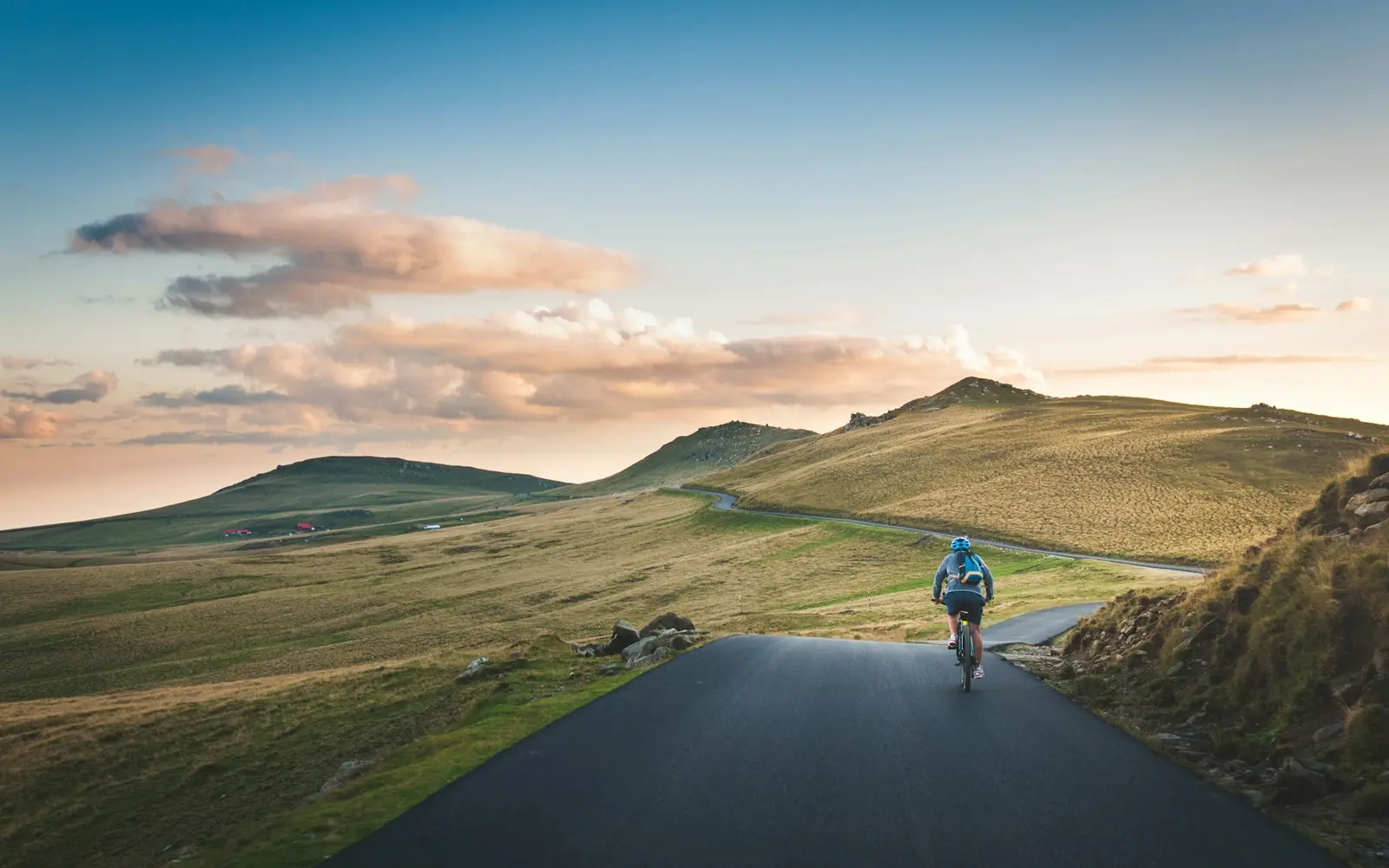
Cyclists rarely stretch, end up with the same recurring niggles and then blame age. The truth is simpler: pedalling repeats the same movement with flexed hips thousands of times, and without a few minutes of counter-movement a week, back, neck and knees protest. In this guide you will find the three critical areas, a 10-minute routine with timings and positions and advice on when to do it.
What research really says about stretching
An honest caveat: evidence that stretching alone prevents injuries is limited, and stretching cold before a hard effort isn't recommended. What stretching and mobility reliably do is maintain or improve range of motion and bring relief to tight muscles. For a cyclist who spends hours in a fixed position, that means less stiffness and a more comfortable position. So: useful for comfort, to include in a broader routine that also covers strength and a good position on the bike.
The three critical areas
Hip flexors (shortened by hours bent over the bars), hamstrings and calves (never fully extended when pedalling) and the thoracic spine (locked in a single curve). These three explain much of the mysterious niggles that appear as kilometres rise. The solution isn't stretching at random: it is opening exactly these areas. If you have back pain, see also back pain when cycling.
The 10-minute routine that works
Do it after rides, with warm muscles, never cold beforehand. Hold each position 30-45 seconds, breathing slowly, without pain and without bouncing. One: a lunge for the hip flexors (back knee on the floor, pelvis forward), 45 seconds each side. Two: a hamstring stretch with the leg straight on a step or seated with one leg extended, 30-45 seconds each side. Three: calves against a wall, 30 seconds each side, heel down. Four: a glute stretch (figure-four lying down), 30-45 seconds each side. Five: cat-cow on all fours, 10 slow reps to mobilise the spine. Six: thoracic rotations lying on one side or on all fours with one hand behind the head, 8 each side. Seven: a chest opener in a doorway, 30 seconds. Twice a week is enough to feel the difference.
Before the ride: dynamic warm-up, not static stretching
Before setting off, 3-5 minutes of dynamic movements are more useful: hip circles, leg swings, torso rotations, a few bodyweight squats. Then start the ride at an easy pace. It is better to leave static stretching for afterwards.
On the bike it matters more
More useful than any stretching is prevention at source: saddle at the right height, bars not too low, and standing on the pedals for 30 seconds every 15-20 minutes on long rides to open the hips and unload the back. A bike that fits well needs far less stretching than a bike that fights you: for setup read DIY bike fit. Change hand position often and relax shoulders and arms.
Strength and mobility together
Stretching works best alongside a little strengthening of glutes and core: two 15-minute sessions a week with glute bridges, planks and controlled lunges. For runners the theme is similar: see strength work for runners. After a hard ride, also remember to drink and eat: see active recovery.
Common mistakes
Forcing the stretch to the point of pain; bouncing; holding your breath; stretching a cold or already inflamed muscle; skipping the less flexible side; doing everything in a hurry. If one side is much tighter than the other, do an extra round on that side. If you feel tingling or sharp pain, stop.
Frequently asked questions
Stretching or foam roller? They can complement each other: the foam roller helps relax tight areas, stretching helps maintain range of motion.
Do I need to do it every day? Two to three times a week is a good start; if it makes you feel good, more often is fine.
Is it fine in the morning? Yes, after some light movement.
In short
Ten minutes two or three times a week on hips, hamstrings and back, plus standing regularly on the bike. Boring, not very photogenic, but a habit with a good return for anyone adding kilometres year after year.
Recommended products
It all starts with a non-slip yoga mat thick enough to protect knees and back on a home floor.
To release quads and IT bands, a foam roller used after long rides is the best value tool there is.
Hip and shoulder mobility work goes better with resistance bands in different strengths.
For really knotted spots, a muscle massage gun works deeper than a roller can reach.
As an Amazon Associate, Velunite earns from qualifying purchases. Some links in this article are affiliate links: if you buy through them Velunite may earn a small commission at no extra cost to you.
More articles
Latest from the Journal
- MTB races are closing: Sirente gone, Dolomiti on the edgeNovember 20, 2026
- Bologna 2027: the marathon costs 10 euros more at each price tierNovember 20, 2026
- WorldTour 2027 calendar: Worlds in August, Vuelta in SeptemberNovember 19, 2026
- Valencia, 6 December: Kejelcha returns to the marathon after sub-2November 19, 2026