Going to work by bike: the complete commuting guide
Commuting by bike: choosing the bike, locks, lights, bags and the best route for riding to work every day.
In 1 minute: save routes, download the GPX and join group rides.
Sign upWritten by the editorial team at Velunite
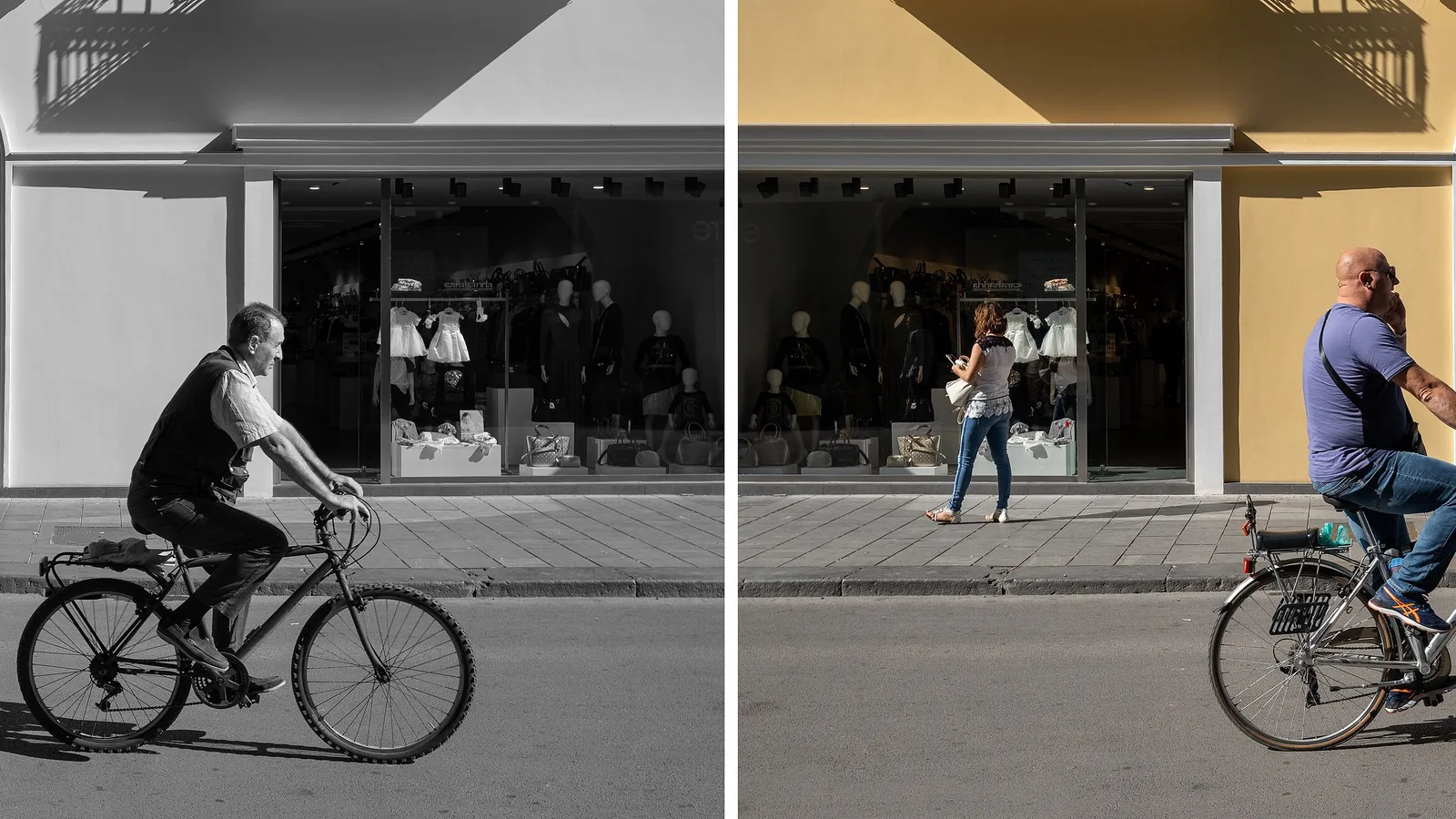
Commuting by bike is the easiest training there is: it swaps traffic and parking for fresh air and free kilometers. With the right gear, 5-15 km each way becomes the best part of your day, and you do not have to carve out an extra hour to train. Here is what you need to start, what to avoid and how to cope when it rains, gets dark or you need to arrive at the office presentable.
The right bike for the city
A sturdy city bike, a gravel bike or an e-bike with fenders and a rack beats a road bike for commuting: a comfortable position, puncture-resistant tires and mounts for bags matter more than weight. If you are starting from scratch, our guide on road, gravel or MTB: which bike to choose helps. If the route is long (over 12-15 km) or hilly, an e-bike can get you there without sweating. A cheap used bike is a good way to start and you worry less about leaving it locked outside.
Lock: non-negotiable
Use a solid U-lock that secures the frame and rear wheel to a fixed structure, plus a cable or second lock for the front wheel. Lock up in busy, lit areas, not in an isolated corner, and take lights and detachable accessories with you. To pick the right security level for your city read our guide to bike locks: a simple rule is that the lock should be proportionate to the value of the bike, not the cheapest part of your setup.
Lights and visibility
At night, in tunnels and in poor visibility you need front and rear lights: steady in front and flashing or steady behind as a minimum. Even in winter, between 5 and 7 pm, commuting is almost always done in the dark or at dusk. Reflective details on bags and jackets help a lot. Learn more in our guide to bike lights.
Panniers, not backpacks
A rack with panniers or a basket saves your back and your shirt from sweat. Waterproof panniers protect your laptop, documents and change of clothes on rainy days, and you can unclip them in a moment to carry into the office. A backpack is fine for short trips but over 10 km a sweaty back shows.
Clothing and the office
Ride in technical or casual clothes and change at work: many commuters keep shoes, a towel and a spare shirt at the office so they are not carried daily. A compact rain jacket lives in the bag from October to April. In winter you need gloves and a warm layer: our guide to layering for cold rides gives you the scheme, and the one on cycling in the rain explains how to arrive dry.
Choosing your route
The fastest road is rarely the best: prefer bike lanes, parks and low-traffic streets even if they add a few minutes. Test the route on a quiet Sunday before your first workday, and note where you could stop if you need a repair. On Velunite you can search routes in your city and save the one you prefer. If you want to turn the trip into a bit of training, choose the longer way home, but remember that after a working day mental fatigue counts as much as physical.
Small repairs to carry
A spare inner tube, two tire levers, a small pump and a multitool solve most problems. If you have never done it, learn to change a tube at home before you find yourself in the rain: read our guide on fixing a puncture.
Recommended gear
Sturdy U-lock: the single most important purchase for a commuter bike.
Waterproof pannier: laptop and clothes stay dry all year.
As an Amazon Associate, Velunite earns from qualifying purchases. Some links in this article are affiliate links: if you buy through them Velunite may earn a small commission at no extra cost to you.
More articles
Latest from the Journal
- Verona Run Marathon 15 Nov: entries, the Arena and the courseNovember 3, 2026
- 2027 Giro d'Italia route: stages, double Mortirolo and ZoncolanNovember 3, 2026
- 2027 Giro d'Italia stages: all 21 stages, km and official routeNovember 3, 2026
- Almost 200 pros still without a 2027 contract: who they areNovember 2, 2026